Raja Ampat
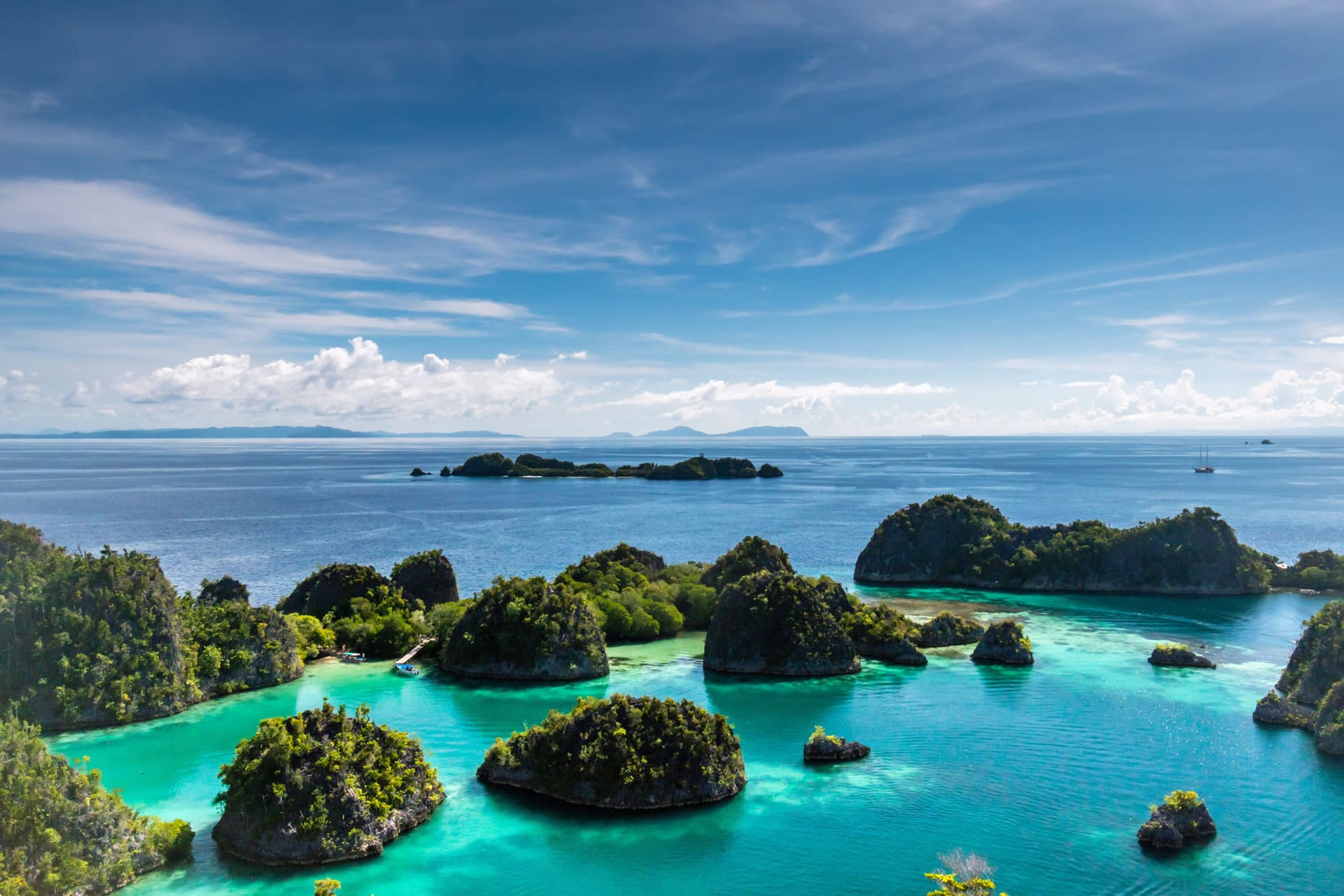
Raja Ampat sits off the northwest tip of New Guinea, an archipelago of more than 1,500 jungle covered islands scattered across some of the clearest water in Indonesia. It holds the richest reef system on Earth, but the landscape above the surface, towers of green karst rising out of turquoise lagoons, is just as much the reason people come.
Most travellers arrive thinking of Raja Ampat as a dive destination and leave talking about the views from the top of Wayag, the quiet of a stilt house at dawn, and the call of a bird of paradise in the forest behind the village. The reefs are the headline. The islands are why it stays with you. Here is the full picture, and how we put a trip together.
Diving in Raja Ampat
The numbers here are almost unfair to everywhere else. More than 1,500 fish species, around 600 coral species, roughly three quarters of everything known to science. Cape Kri holds the world record for a single dive: 374 fish species counted in one tank. That density is the whole draw. You’re never just looking at one thing here, there’s a shark cruising past while something the size of a grain of rice is doing something interesting six inches from your mask.


Top Dive Sites
Cape Kri is the record holder, and it earns it. Reef sharks patrol the slope while trevally and big eye jacks stack up in the blue, and if you slow down enough to check the gorgonians you’ll find pygmy seahorses tucked into the fans. Current runs mild to strong depending on the tide, so it gets timed around slack water for less experienced divers.
Blue Magic is the manta site serious divers ask for by name. Oceanic mantas work the cleaning station while barracuda hunt in packs and jacks school overhead, but the current here is no joke, this one is for advanced divers only, with the drop carefully briefed.
Manta Sandy is the gentler manta fix. Reef and oceanic mantas queue over a sand patch to get cleaned, sometimes three or four at once, and the current is soft enough that most certification levels handle it fine.
Sardine Reef, a current fed ridge that stacks up walls of snapper, barracuda, batfish and giant trevally. Come for the current, that’s what’s building the wall of fish in the first place.
Melissa’s Garden is the hard coral garden that ends up on every Raja Ampat postcard, and for once the reputation holds up. Hawksbill turtles graze the coral, bumphead parrotfish move through in loose gangs, and wobbegongs lie flat and still enough to walk right past if you’re not looking.
Friwen Wall, a steep drop dense with soft coral, sponges and anemones. Easier than most sites on this list, which makes it a good one for stretching a second tank while still turning up turtles and the occasional reef shark.
Boo Window down in Misool, named for the swim through carved into the reef. Soft coral crowds the frame and fish life is thick enough that the window itself competes for attention.
Arborek Jetty is shallow, easy, and a macro hunter’s site. Wobbegongs, mantis shrimp and pygmy seahorses hide in the structure while mantas occasionally cruise past in open water. A solid one for slowing down after a run of current heavy dives.
What you will see: manta rays (reef and oceanic), wobbegong and walking (epaulette) sharks found almost nowhere else, schooling fusiliers and jacks, plus a macro list that keeps photographers down for the whole dive with pygmy seahorses, ghost pipefish, frogfish and nudibranchs. Turtles are on most dives.
Conditions and level: Raja Ampat is famous for current, and current is what brings the fish. The signature sites (Cape Kri, Blue Magic, Sardine Reef) can run strong and suit Advanced divers comfortable with drift diving and a reef hook. Gentler sites (Manta Sandy, Arborek, Friwen Wall) work well for Open Water divers and those easing in. If you are newer, build up across the week. Water sits at a warm 28 to 30 degrees all year.
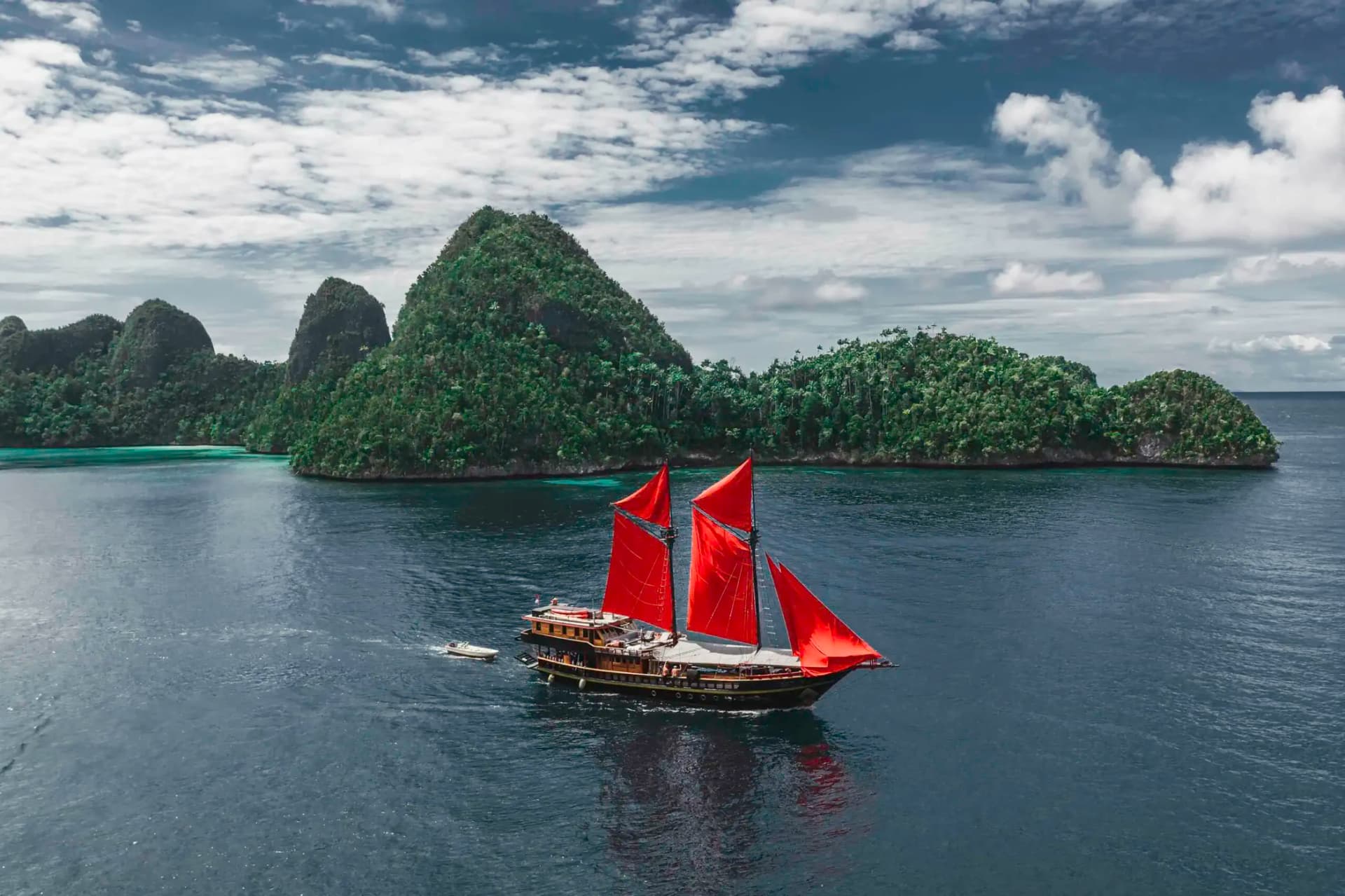
Liveaboard or dive resort? Two ways to do it. A liveaboard reaches the remote south around Misool and the far flung sites a day boat cannot, and is the classic way to see the most in one trip. A dive resort or homestay in the Dampier Strait gives you flexibility, shorter travel and a relaxed base. We run both, see our scuba diving liveaboards in Raja Ampat for the full archipelago trip, and our Raja Ampat dive safaris for a resort based week in the Dampier Strait.
The Four Kings and the Seascape
“Raja Ampat” means Four Kings, after the four main islands of Waigeo, Batanta, Salawati and Misool. Around and between them sit a maze of smaller islands, most of them uninhabited limestone karst, weathered into mushroom shapes and sheer sided domes that rise straight out of the water. This is what makes the place look like nowhere else.

The two signature viewpoints are Wayag and Piaynemo, both in the north. A short, steep scramble up a karst peak opens onto a sea of green islets over pale turquoise channels, the photo that put Raja Ampat on the map. Piaynemo has a built boardwalk and platform and is the easier of the two to reach. Wayag is further, wilder, and usually a liveaboard stop. Between them lie hidden lagoons you reach by kayak or small boat, Hidden Bay and the Star Lagoon, where the karst closes in and the water turns glass flat.
Then there are the marine lakes. Lenmakana holds a population of stingless jellyfish you can swim among, the same phenomenon made famous in Palau, reached by a short uphill walk and a rope descent to the lake. It is one of the strangest, calmest swims you will do anywhere.
Villages, Homestays and Papuan Culture
Raja Ampat is part of Southwest Papua province, and its people, language and food are Papuan, not Balinese or Javanese. This is the eastern edge of Indonesia, and it feels different.
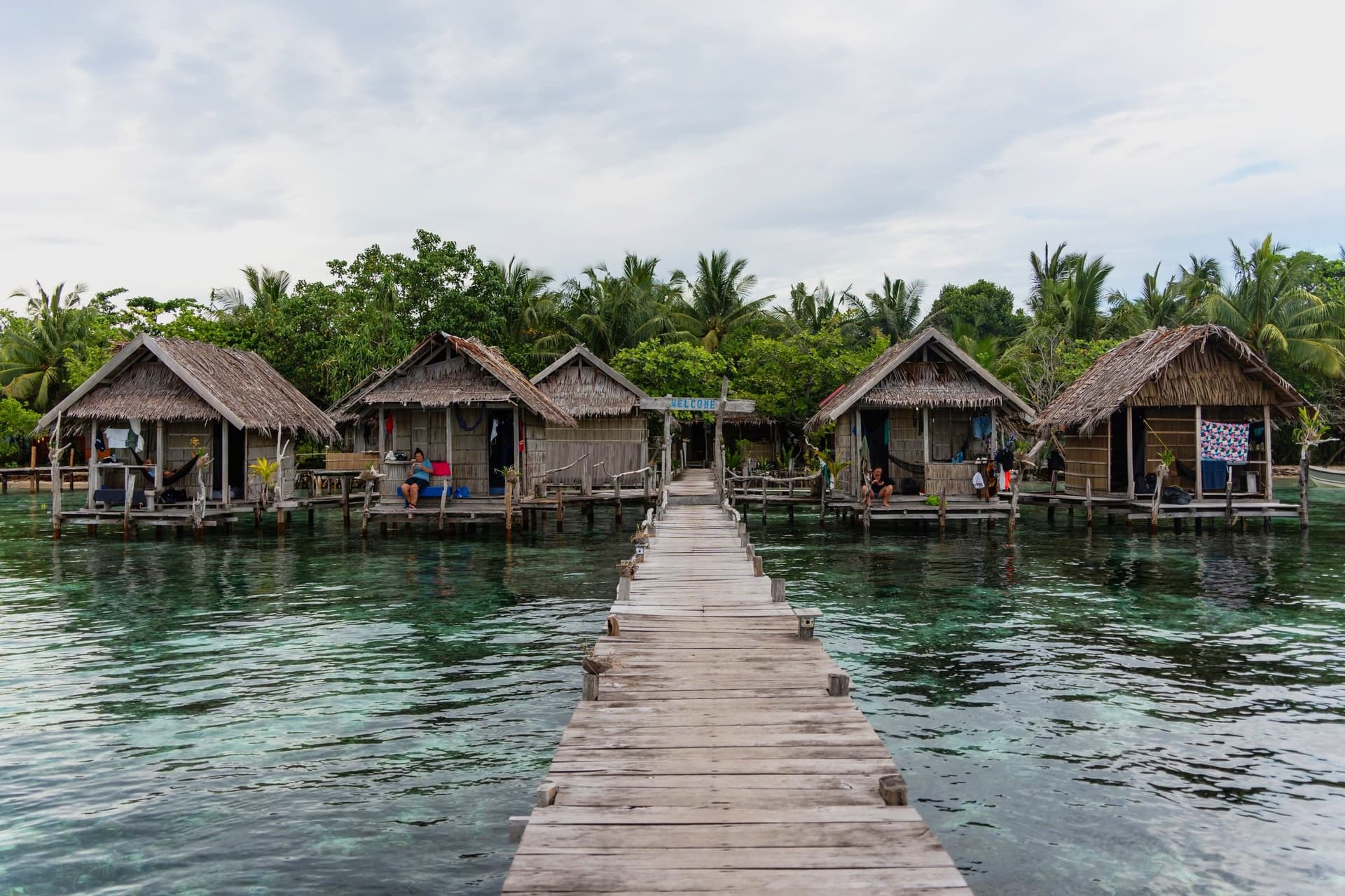
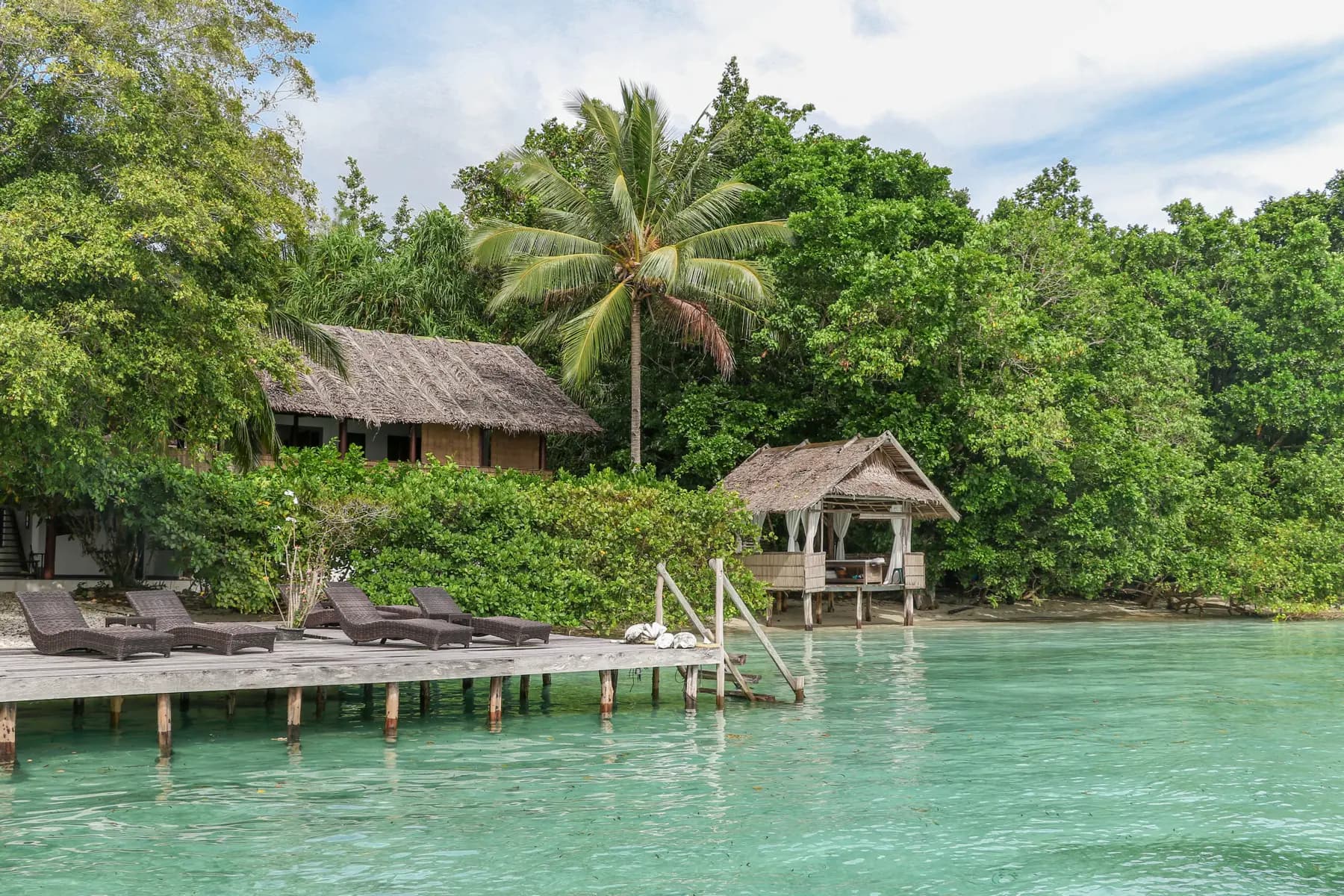
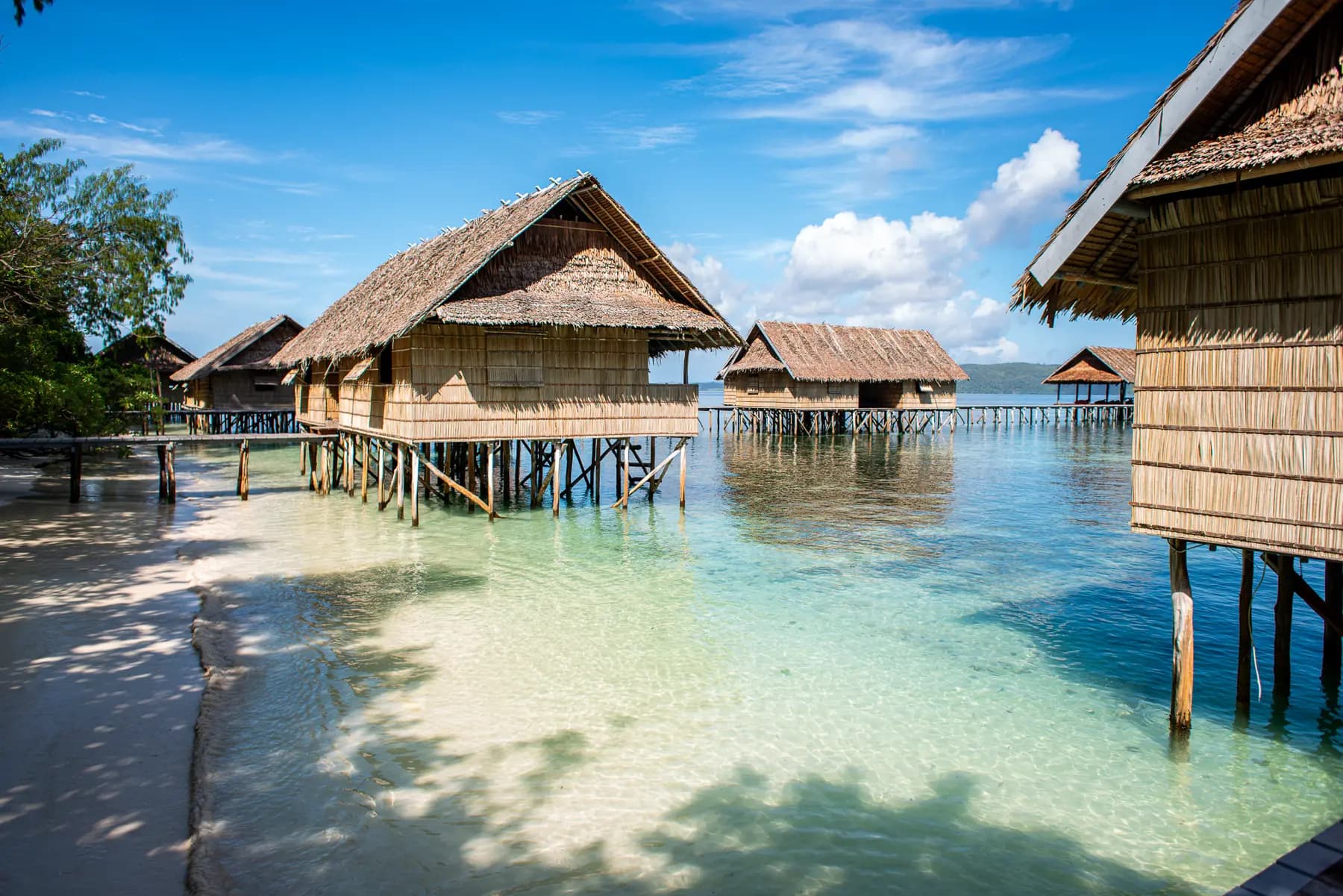
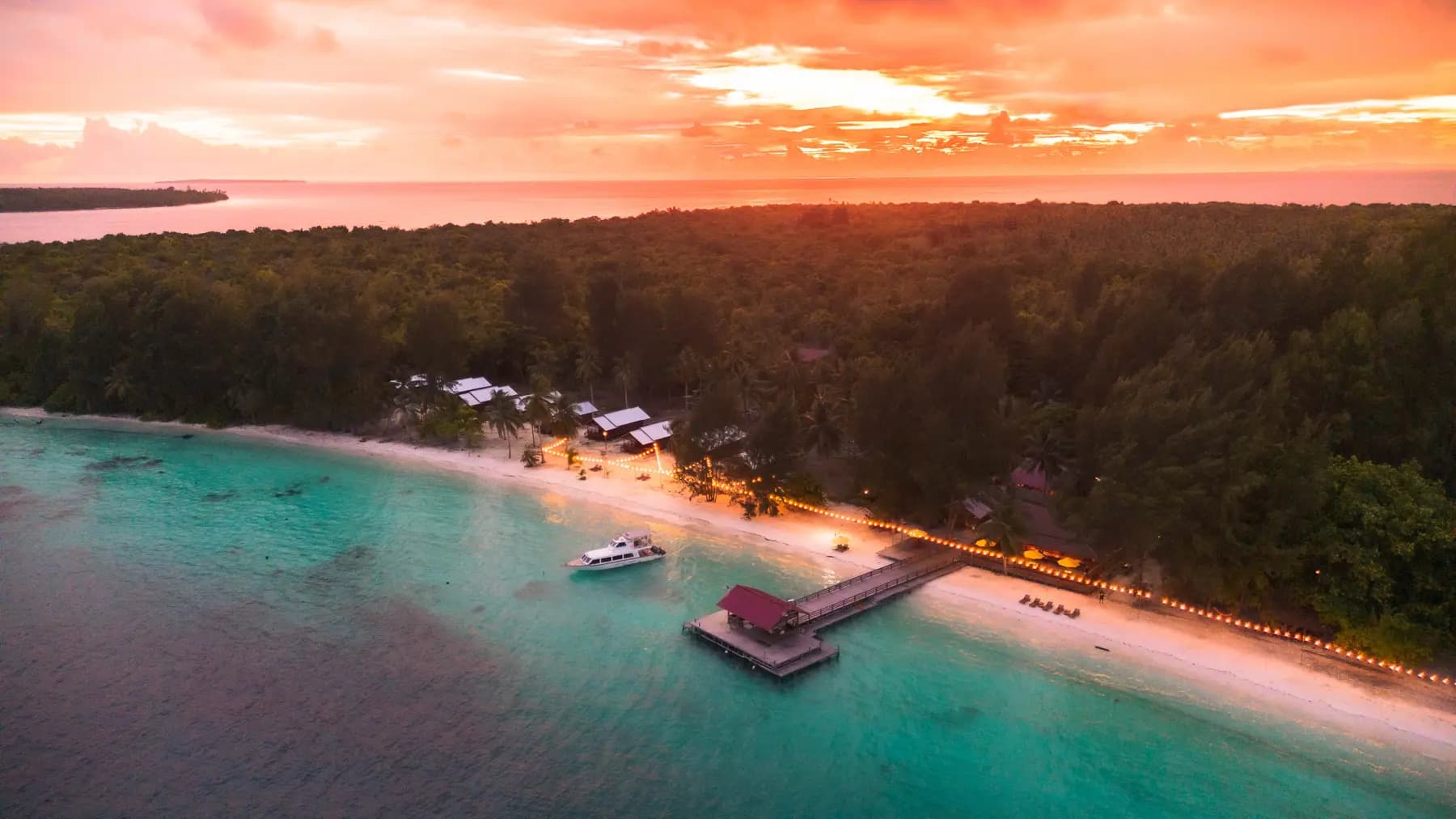
Most islands are still owned and managed by local clans, and tourism here runs largely through community homestays, simple stilt bungalows over the water on islands like Gam, Kri, Mansuar and Arborek. They are basic, bucket showers and shared meals, but staying in one puts your money straight into the village and gives you a side of Raja Ampat the liveaboard crowd never sees such as kids paddling dugout canoes, fishermen heading out at first light, the reef a few steps off your veranda.
Arborek is the model village to visit, a tidy island known for its weaving and its welcoming jetty. Walk the paths, watch the pandan leaf hats and bags being made, and the reef under the jetty is itself one of the area’s best easy snorkels. Across the strait, the larger islands of Gam and Waigeo have the forest, the trails and the birds.
A word on respect, this is a conservative, Christian majority region with strong customary (adat) rules about land, reefs and sacred sites. A local guide reads that etiquette for you, and your visit, the permit and the homestay fees, directly funds the community run conservation that has rebuilt these reefs over the last twenty years.
Birds of Paradise and the Forest
Raja Ampat is one of the few places you can reasonably hope to see a bird of paradise in the wild. The red bird of paradise (Cendrawasih) displays at dawn in the forest on Gam and Waigeo, the males calling and dancing on a high branch to show off their plumage. It means a pre dawn start, a guided walk uphill in the dark, and a quiet wait at a known lek, but it is one of the great wildlife moments in Indonesia.

The forest holds more than birds like cuscus, hornbills, cockatoos, monitor lizards, and butterflies the size of your hand. Trails on Gam and Waigeo run from easy village strolls to half-day jungle walks. After the dive, this is the other wildlife spectacle, and it is genuinely worth building a morning around.
Kayaking, Beaches and Time on the Water
Above the reef, the lagoons are made for paddling. Sea kayaking through the karst at Wayag, Piaynemo or the bays around Gam gets you into channels and hidden coves no boat fits through, and the water is so clear you watch the reef slide by underneath. Many homestays keep kayaks for guests.
For beaches, the small sand cays and palm backed strands around Mansuar and the Dampier Strait are quiet and empty by the standards of anywhere else in Indonesia. The snorkelling off the homestay jetties, Arborek and Sawandarek especially, is world class in its own right, mantas and turtles included, so non divers and families are far from left out. This is one of the few “dive destinations” where the person who never gets in a tank still has a full week of things to do.
Best Time to Go
Raja Ampat works year round, but the main season runs October to April, with the calmest seas, the driest weather and the best visibility for both diving and the boat days you need to reach the viewpoints. Manta activity peaks December to February.
July to September brings more wind and swell, which can make the longer crossings (south to Misool especially) bumpier and the karst day trips less reliable, though the diving continues. There is no true dry and wet split like the rest of Indonesia which rain can come any month, usually as short showers rather than washouts.
How to Get There and Get Around
Everything starts at Sorong (SOQ), the gateway city on the New Guinea mainland, reached by air from Jakarta, Makassar, Manado or Bali, usually as an overnight or early connection. Budget a full travel day to reach Sorong.
From Sorong you have two routes in. Liveaboards board in Sorong harbour, and your trip begins the moment you are aboard. For resorts and homestays, take the public ferry to Waisai on Waigeo (about two hours) or a private speedboat transfer, then a smaller boat to your island. Once you are in the islands, everything moves by boat, there are no roads between the dive sites, the viewpoints or the villages, so a trip here is built around boat days. We arrange the whole chain from the moment you land in Sorong, including the marine park permit.
Marine Park Entry Fees
Every visitor to Raja Ampat pays a marine park entry permit (SIP), which funds the community run patrols and conservation work that rebuilt these reefs over the last two decades. It is a one-time fee per calendar year, checked at Waisai or by your operator, and it is separate from your trip cost. We handle the paperwork and include the current rate when we plan your trip. Full details, current pricing and how the registration works are on our Raja Ampat entry fees and registration guide.
Combining Raja Ampat With the Rest of Indonesia
Raja Ampat is remote, and getting there is an effort, so most people give it a full week or more rather than tacking it on lightly. Komodo is not the easy add-on it looks like on a map, there is no direct flight between Labuan Bajo and Sorong, so combining the two means routing back through Bali, Jakarta or Makassar, worth knowing before you plan a quick hop between them.
Sulawesi, Bali and Java are the genuinely easy combinations, all reachable from Sorong on direct flights (Manado and Makassar in Sulawesi, plus Denpasar and Jakarta), so any of them slot in as a natural stop on the way to or from Raja Ampat without extra connections. A common shape is a week of culture and warm-up diving in Bali, Java or Sulawesi, then fly on to Sorong for the big finale in Raja Ampat.
Frequently Asked Questions
Given how far it is to get there, plan at least seven nights in the islands, and ten to twelve if you want both the diving and proper land time at the viewpoints, villages and birding. A liveaboard typically runs 7 to 11 nights. A resort or homestay week gives you a mix of diving, snorkelling and day trips at a calmer pace.
No. The diving is the headline, but the karst viewpoints at Wayag and Piaynemo, the jellyfish lake, sea kayaking, village homestays, the bird of paradise treks and some of the best jetty snorkelling in the world give non-divers and families a full trip. Snorkellers see mantas and turtles regularly.
October to April is the main season, with the calmest seas and best visibility, and mantas peaking December to February. July to September is windier and can make the boat crossings and karst day trips less reliable, though diving carries on year round.
Fly to Sorong (SOQ) via Jakarta, Makassar, Manado or Bali, usually an overnight connection. From Sorong you either board your liveaboard in the harbour or take the ferry or speedboat to Waisai and on to your island. We handle the whole transfer chain and the marine park permit. For the current ferry timetable and prices, see our Sorong to Waisai ferry schedule guide.
Not for all of it. The signature current sites like Cape Kri and Blue Magic suit Advanced divers comfortable with drift diving, but gentler sites like Manta Sandy, Arborek and Friwen Wall work for Open Water divers. A liveaboard or guide matches the sites to your level across the week.
A liveaboard reaches the remote south (Misool) and packs in the most diving and the furthest viewpoints. A resort or homestay in the Dampier Strait offers shorter transfers, more flexibility and the chance to mix in villages, birding and land days. Both are excellent, it comes down to how remote you want to go and your budget. We break down the trade-offs in full in our liveaboard vs dive resort guide for Raja Ampat.
Yes. Every visitor needs the Raja Ampat marine park entry permit, which funds the community-run conservation that protects these reefs. We include the current rate and sort the paperwork when we plan your trip, see our entry fees and registration guide for the details.
Bali, Sulawesi and Java are the easy combinations, all connected to Sorong by direct flights, so any of them work as a natural stop before or after Raja Ampat. Komodo is trickier, there is no direct flight between Labuan Bajo and Sorong, so it means routing back through Bali, Jakarta or Makassar rather than a quick hop. We build the whole multi-stop itinerary either way so the connections line up.
Your adventure starts here
Plan your trip to Raja Ampat
Tell us what you want to see and we'll craft the perfect itinerary — usually within 24 hours.
Plan My Trip →Enquire About This Destination
Any question, special request or custom itinerary, we reply within 24hrs.