Long before anyone drew a marine park on a map of Raja Ampat, the people living here were already closing their reefs to let the fish come back. They call it sasi. It still runs today, and it is one of the real reasons the diving here is the best on the planet.
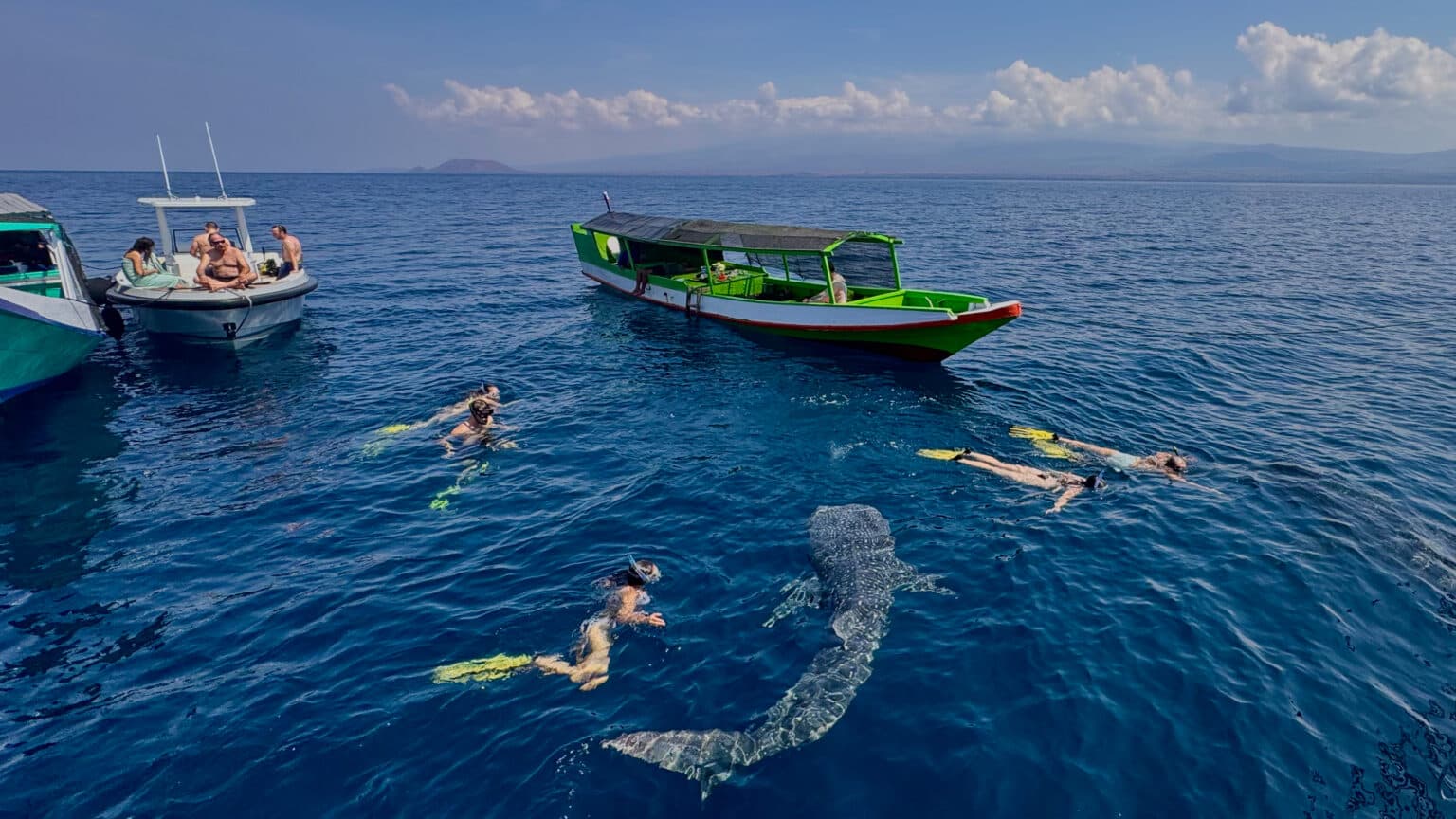
Drop onto the reef at Cape Kri or anywhere along the Dampier Strait and the first thing that hits you is how full the water is. Walls of fusiliers and jacks in the blue, reef sharks cruising the slope, a turtle on nearly every dive. It is easy to put that down to how remote Raja Ampat is, how far it sits from anywhere. Remoteness is part of it. But a bigger part is that these reefs are managed, deliberately, by the villages that own them, using a system older than any government agency in the region.
What sasi actually is
Sasi is a customary rule that closes off a patch of sea, river or forest to harvesting for a set stretch of time, then reopens it with a ceremony. The marine version, sasi laut, is practised along the coasts and islands of Maluku and Papua, and Raja Ampat is one of its strongholds. Here it goes by local names depending on the tribe and the language: kalad, or bu, in Mayalibit Bay, the ancestral home of the indigenous Ma’ya people, and samson on the island of Misool.
The mechanics are simple and strict. Community and traditional leaders agree on a reef or bay to close. They mark it, often with a carved wooden stake, and from that moment no one takes fish, lobster, sea cucumber or shellfish from inside the line. The closure usually runs several months, in many villages opened only once a year. When the time comes to reopen it, the leaders gather at the shore, give thanks, and the sound of a blown triton shell carries across the water as the signal that the reef is open again. Then people harvest, some to eat, some to sell.
Breaking sasi is not taken lightly. A violator faces sanction from the whole community, and local belief holds that anyone who steals from a closed reef will fall ill. That mix of social pressure and shared belief is exactly why it works without fences, wardens or fines. The rule lives in the community, not in a rulebook.
In many Raja Ampat villages the ceremony is led together by customary elders and the local church, a reflection of how the tradition travelled east into Papua. Faith and reef management sit side by side here, and both carry weight.

Why a closed reef brings back a full one
The logic behind sasi is the same logic behind every modern no-take zone. Leave a reef alone and it becomes a refuge where fish can grow to full size and spawn undisturbed. The surplus then spills over the boundary into the areas people do fish. Protect the nursery and you protect the catch.
The clearest proof in Raja Ampat comes from Misool, in the south, where the community and a private reserve closed a large area to fishing. Surveys there found fish biomass climbed by roughly 248% between 2007 and 2021. Shark numbers inside the reserve rose around 190% in under a decade. Those are recovery rates most managed fisheries in the world never get close to, and they came from doing something Raja Ampat communities have understood for generations: close it, wait, let it fill back up.

From village tradition to world-class marine park
When conservation groups arrived in Raja Ampat around 2001, they could have rolled out a standard Western zoning plan and asked communities to accept it. Instead the smarter move, and the one that stuck, was to build on what was already here. Sasi gave everyone a shared starting point: the idea of closing an area to let it recover was not foreign, it was tradition.
So the two systems grew together. Indigenous communities, led by the Ma’ya, declared customary waters for protection, and those declarations became the backbone of formal marine protected areas. Raja Ampat’s first MPA was established in 2004. The network kept growing, area by area, until it reached nine marine protected areas covering close to two million hectares, all sitting inside the wider Bird’s Head Seascape, the richest marine region on Earth. Tradition first, science layered on top. That order matters, and it is a big reason the protection has held.

What sasi protects is what you came to see
The species that sasi laut shelters are, almost exactly, the list every diver writes down before a trip to Raja Ampat. Oceanic manta rays, now listed as Endangered on the IUCN Red List, queueing at cleaning stations. Napoleon wrasse, also Endangered, those big curious humpheads that come to look at you. Reef sharks, grouper, turtles, and the dense schooling fish that make a Dampier Strait dive feel crowded in the best way. Guard the spawning grounds and the nurseries, and the headline animals stay. That is the whole quiet point of the system.
Part of a much bigger Indonesian idea
Raja Ampat is not alone in this. Sasi is one thread in a much wider Indonesian pattern of treating certain waters as sacred, and so protecting them, long before “conservation” was a word anyone used. In other parts of Maluku, sasi laut guards stretches of coast and the grouper and stingray that live there. Across Java and Sumatra, sacred springs and river pools are home to fish that no one is allowed to catch, protected by taboo and looked after for generations. Researchers now describe these places as de facto protected areas, and argue they deserve formal recognition alongside national parks.
The timing gives that argument weight. A global assessment published in 2025 found that a quarter of all freshwater animal species are at high risk of extinction. Raja Ampat itself has just had to fight off a wave of nickel mining permits that threatened its islands and reefs. Against that backdrop, communities that have quietly protected their own water for centuries are not a nice piece of folklore. They are a working model, and the science is finally catching up to say so.

How to dive Raja Ampat and be part of it
You do not have to do anything complicated to travel here the right way. A few things matter:
- Pay the marine park entry permit. It is required of every visitor, valid for the calendar year, and the money goes straight into the community-run conservation that keeps these reefs healthy.
- Follow your guide on sacred and customary sites. Some places carry adat rules that are not obvious to a visitor. A local guide reads that for you.
Travel here this way and your trip stops being separate from the conservation story. It becomes part of it. The permit you pay and the trip you book are funding the same system that fills the reef you came to dive.

Dive it with people who know the waters
Ocean Earth Travels has been running trips through Raja Ampat for years, working with local communities and homestays across the archipelago. Whether you want the full sweep of the islands by liveaboard or a relaxed, resort-based week in the Dampier Strait, we build the trip around the reefs at their best, and around the people who have kept them that way. Start with our Raja Ampat travel guide to see the full picture, above and below the water.
Frequently asked questions
What is sasi in Raja Ampat?
Sasi is a traditional customary rule that temporarily closes an area of reef or sea to all fishing and harvesting, then reopens it with a ceremony. In Raja Ampat it is also known by local names like kalad or bu in Mayalibit Bay and samson on Misool. It has protected these waters for generations and now underpins the region’s modern marine protected areas.
Does sasi actually help conservation?
Yes. Closing a reef lets fish grow and spawn undisturbed, and the surplus spreads into surrounding waters. In Misool, where a community reserve closed a large area, fish biomass rose around 248% between 2007 and 2021 and shark numbers climbed about 190% in under a decade.
Can visitors watch a sasi ceremony?
Sometimes, but it is a community and often a church-led event, not a tourist show, and the timing follows the village calendar rather than a schedule. If a ceremony is happening while you are there, a local guide can tell you whether and how it is appropriate to attend.
How do I dive Raja Ampat responsibly?
Pay the marine park entry permit and follow your local guide on sacred and customary sites. Doing so funds and supports the community conservation that keeps these reefs among the healthiest on Earth.