Most visitors spend two days in Yogyakarta, tick off the temples, and leave. But if you want to actually understand Java, you need longer than that.
This isn’t just history and monuments. It’s art, craft, food, and communities that have been doing the same thing for centuries. The real city reveals itself when you slow down. Sit in a warung, walk the backstreets, pick a direction and see where it takes you. Rush between attractions and you’ll miss it entirely.
I’ve watched travellers arrive for three days and stay for three weeks. Why? They found a warung run by the same family for forty years. Or got talking to a wood carver about his craft. Or stumbled into a neighbourhood cooking class by accident. These moments are what stick.
This guide is for anyone who wants more than the standard temple loop. If you’ve got the time, I’ll show you where to find it.
You haven’t really seen Yogya yet
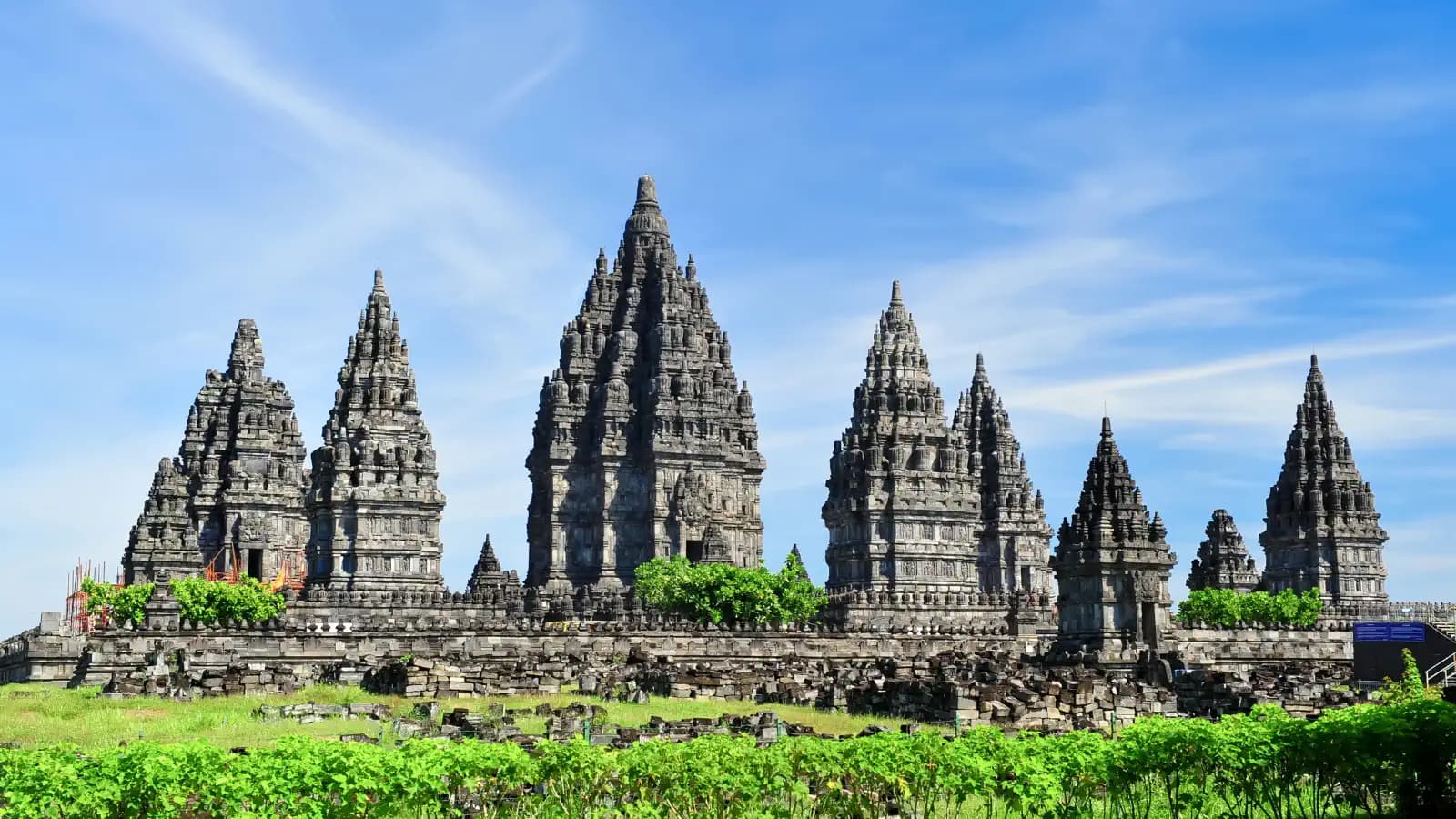
The classics are classics for a reason. Borobudur at sunrise, Prambanan in the late afternoon, Taman Sari, the Kraton, a walk down Malioboro. Go. See them. Then keep exploring.
Most people arrive with a checklist, tick the big five in 48 hours, and fly out. A few streets over, or twenty minutes out of town on a scooter, there is a different city entirely. Batik workshops that have been running for three generations. Beaches on the south coast that almost nobody photographs. Food you find because someone pointed at a door.
I grew up here. There is no shortage of articles listing what to see in Yogyakarta, so this is not another one. This is where I take friends: the places I keep going back to, the detours worth making depending on what kind of traveller you are, and a few spots nobody has written about that tend to become the thing people remember.
See the temples. Just don’t leave before you’ve met the city they sit in.
Five Yogyas, pick yours
Yogya isn’t one place. It’s five, and the one you get depends on where you base yourself. Sort that out before you book anything.
Real travel is slower. It means picking a neighbourhood and walking it without a plan, then having breakfast at the same warung three days running. Talk to whoever sits next to you. Ask where a family actually eats, and go there instead of the place with the English menu. After a few days you stop watching things perform for cameras and start seeing how they work.
So this guide starts with regions. Pick the one that appeals to you, then go deep enough to find your warung, your corner, the place you’d come back to.
- Yogya Kota (city centre). The cultural core. The Kraton and Taman Sari sit inside the old walled city, Malioboro runs north from there, and Kotagede on the eastern edge is still full of silversmiths. Batik workshops, gamelan practice you can hear from the street, wayang in the evenings. Prawirotaman is where most travellers stay. Busy and loud, but the good kind.
- Sleman (north). Student Yogya, which means cafés, small galleries, art collectives and cheap food. It climbs toward Merapi, so you get rice fields and cooler air, plus villa stays a short ride from the centre. Ullen Sentalu museum in Kaliurang is worth an afternoon.
- Bantul (south). Where the city meets the coast. Parangtritis beach, the royal cemetery at Imogiri, and craft villages like Kasongan for pottery and Manding for leather. Quieter, cheaper, good if you want space.
- Gunungkidul (east). The adventure end. Jomblang Cave and its light beam, cave tubing at Pindul, Sri Gethuk waterfall, and a string of beaches under limestone cliffs. Timang has the wooden gondola. Wediombo gets surf. You’ll want your own transport or a driver, because it’s spread out.
- Kulonprogo (west). The slowest part. Tea plantations at Nglinggo, viewpoints at Kalibiru, rice fields, and villages where nothing much is set up for visitors. That’s the point.
Pick the region that matches how you want to spend your days, then work outward from there.
What to do in Yogya after the temples
Go to Borobudur. Go to Prambanan. See Taman Sari while you’re at it. They earn their reputations, and skipping them to prove a point is silly. But they’re your first day, not your trip. Here’s what I’d do with the rest of it.
Culture and history
Keraton Yogyakarta


Still a working court, not a preserved building with a rope around it. Court servants in traditional dress go about their duties while you walk through, and there are gamelan, dance or wayang performances most mornings. The programme rotates by day, so check the day before instead of turning up hopeful. Budget two hours. The detail is the point here, and it doesn’t reward a quick loop.
Location: Jl. Rotowijayan Blok No. 1, city centre. Mornings only, closed by early afternoon.
Museum Sonobudoyo


Come here after the Kraton rather than before. Javanese masks, keris blades, batik and puppets, with labelling that explains what the symbols mean instead of just dating them. It turns the palace from a nice morning into something you actually understand. The evening shadow-puppet performance runs around two hours and costs very little.
If the Kraton is the introduction, this is the longer conversation.
Location: Jl. Trikora No. 6, beside the north square. Evening wayang kulit daily.
Candi Barong


A small Hindu complex set on hill terraces a few kilometres from Prambanan, and usually close to empty. Short climb up, then the whole plain opens out below. Late afternoon is the time to go, when the heat drops and the light gets long. Nothing about it feels like the standard temple circuit, which is why I keep going back.
Location: Sambirejo, Prambanan district. About 30 minutes east of the city.
Activities you won’t find in a typical itinerary
Travel doesn’t have to mean sightseeing from morning to night. Sometimes the best way to know a place is to do something in it. Train with people, climb, walk through forest, just get outside.
Sport and community
Jogja Camp Academy


Muay Thai and MMA. Turn up, train, take a few hits, and end up at dinner with the same faces a week later. It’s the quickest way I know to meet people who actually live here, both foreign and Indonesian. Beginner classes take walk-ins with no experience, and you can rent gloves on site. Go twice and you have a group.
Location: Jl. Kasongan, Tirtonirmolo, Kasihan, Bantul
Turning Point Climbing Community


Community-run rather than a commercial gym, so your session fee goes into a project making climbing affordable for local kids. Sessions move between venues, so check their Instagram for the current venue before you go. Good crowd, patient with beginners.
Nature
Plunyon Kalikuning


Pine forest, old volcanic riverbeds, and the bridge that shows up in most photos of the area. It’s a walk, not a hike, and that’s the whole appeal. Two or three hours covers it, with plenty of places to stop when something catches your attention. Mornings are cooler and quieter. This is my first answer whenever someone says they want nature without climbing anything.
Location: Kaliurang, Sleman. Roughly an hour north of the city, on the Merapi slopes.
Deles Indah


Merapi views without the 2am start and the guided summit push. Cool air, long views across the valley, monkeys in the trees and eagles overhead if you sit still long enough. There’s nothing here to tick off, which is exactly why it’s worth the drive.
Location: Klaten regency, eastern Merapi slopes. About 90 minutes from the city.
Jomblang Cave


You get harnessed and lowered 60 metres down a vertical shaft into a collapsed cave floor. At the bottom is dense forest, ferns the size of trees, and around midday a single shaft of light comes through the roof opening above. Visits run on a strict schedule because the light only works in a narrow window. Book a week ahead in high season.
Location: Semanu, Gunungkidul. Book ahead, daily visitor numbers are limited.
Kedung Pengilon

A natural pool off the standard routes, looked after by the community around it rather than by a ticket booth. You won’t find exact GPS coordinates here because the point is partly that it stays quiet, and partly because you should ask someone locally how to get there. That conversation is part of it.
If someone shows you the way, thank them properly. Take your rubbish out when you leave. No entrance fee doesn’t mean it costs nothing to maintain. This is the kind of place that only stays good if people treat it like something they’re borrowing from the people who live there, not a photo spot they found online.
For more on this, read our guide to travelling responsibly in Indonesia.
Location: Bantul. No entrance gate, no commercial facilities.
Hands-on workshops
Astana Workshop Batik


Batik is wax, dye and patience, and it makes sense in a way that reading about it never does. At Astana Workshop Batik, you draw with a canting tool, wax the cloth, dye it, and walk out with whatever you managed. It will be slightly wonky. That’s the point. A handmade cloth with your mistakes in it beats a perfect one from a shop because the mistakes are proof you made it.
Bhumi Bhuwana Javanese cooking class


Bhumi Bhuwana starts you at the market to see what goes into the dishes, then you cook them. Gudeg, sambal, the spice pastes that show up in everything. You learn the technique and the ingredients, not a shortcut version. After a class here, you can read a warung menu and know what you’re ordering instead of guessing.
Pair this with some basic Indonesian for travellers and you’ll get far more out of eating here for the rest of your trip.
Where and how Yogya eats
Don’t eat at the same place every day. Yogya’s food runs from roadside warungs to charcoal grills to slow coffee in a rice field, and you only get the city if you move between them. Five worth planning around.
Gudeg


Young jackfruit slow-cooked in palm sugar and coconut milk until it turns sweet, dark and soft. It’s the dish Yogya is known for across Indonesia. Wijilan street is lined with gudeg warungs, most of them family-run for decades. Order it with rice, egg, chicken and the spicy krecek on the side. Locals eat it for breakfast.
Location: Jl. Wijilan, east of the Kraton. Most warungs open early morning to late evening.
Bakmi Jowo


Javanese noodles cooked to order over a charcoal fire, one portion at a time, which is why there’s usually a wait. Ask for godhog if you want it in broth or goreng if you want it fried. Good with gudeg on the same day because they’re nothing alike.
Location: Jl. Nyi Ageng. Most stalls open evening only, from around 5pm.
Sate Klathak


Goat satay seasoned with almost nothing but salt, skewered on bicycle spokes and grilled over open fire. The metal conducts heat through the meat so it cooks evenly, which is the whole trick. No decor, plastic chairs, very good. Half an hour out of the centre and worth the ride.
Location: Jejeran, Bantul. Along Jl. Imogiri Timur, south of the city. Evening trade.
Kopi Joss


Hot coffee served in a small glass with a glowing piece of charcoal dropped into it, creating a quick sizzle and a bitter-sweet finish. The charcoal is the point. It’s not a gimmick, it cuts the acidity and changes the taste. Order with fried snacks (gorengan) and you’re sitting in an “angkringan,” a street-side coffee spot where Yogya’s night crowd gathers. It’s the city’s evening ritual, loud and cheap and absolutely human. Stasiun Tugu district is the epicentre.
Location: Jl. Wongsodirjan and Jl. Mangkubumi, near Stasiun Tugu. Evening to late night, typically 5pm to midnight or later, daily.
Masama by Kamil


For when you’ve had three weeks of rice and sambal and your palate wants bread and cheese. Mediterranean cooking with some Asian influence, good wine list, popular with the local art crowd and long-stay foreigners. Wanting a break from local food doesn’t make you a worse traveller.
Location: Jl. Tirtodipuran No. 26, Mantrijeron. Open daily, roughly 10am to 11pm.
Practical tips
- Getting there. Yogyakarta International Airport (YIA) is in Kulonprogo, about 40 km west of the city. The airport train runs to Tugu station in the centre, 35 to 40 minutes. It’s faster and cheaper than a taxi. Trains from Jakarta take 7 to 8 hours and arrive at Tugu, right by Malioboro.
- Getting around. Gojek and Grab work well inside the city and cost very little. Rent a scooter for around IDR 70,000 a day (under USD 5 or EUR 5) if you’re comfortable riding, since it’s the easiest way to reach Sleman and the northern cafés. For Gunungkidul, the southern beaches and Jomblang, hire a car with a driver for the day.
- When to go. Dry season runs April to October and is the safer bet for caves, beaches and volcano views. November to March brings afternoon rain, greener landscapes and fewer people. Jomblang’s light beam needs sun, so wet season visits are a gamble.
- How long. Four days is the minimum if you want the temples plus one day out of the city. Five to seven lets you do the coast properly without rushing.
- Money. Warungs, angkringan and the smaller beaches are cash only. ATMs are everywhere in the city and almost nowhere in Gunungkidul, so draw out before you head south.
Leave some space
One last thing, and it matters more than anything above. Don’t plan every hour.
Leave room for the warung someone recommends, the neighbourhood you get lost in, the café you only notice because you took a wrong turn. That’s usually where the trip actually happens. You end up in a pottery class you didn’t know existed, or a training session where you make friends from three countries, or at a table with five strangers because somebody said “come and eat with us.” None of that survives a full schedule.
Yogya doesn’t give itself up in two days. Go deep rather than wide, stay longer than you planned, and talk to people. If that’s the pace you want, it’s the kind of Yogyakarta travel guide we like building, and you can tell us what you’re after rather than picking from a menu.
Where to stay, and why it matters
Your hotel decides your trip here more than it does in most cities. Yogya’s five regions are spread out, so where you sleep sets what you can reach on a whim. Three places I send people to, depending on the trip they want.
Villa Borobudur Resort, Menoreh Mountains


For waking up in the landscape
Built into the slopes above the Borobudur valley, about an hour northwest of the city. Villa Borobudur Resort is hand-carved teak joglo houses, each with a private pool and its own staff, looking out over rice fields toward Merapi, Merbabu and Sumbing. Sagara Vista, the hilltop restaurant, has an infinity pool pointed straight at the temple valley.
You can walk to Borobudur for sunrise before the buses arrive. The resort also runs batik and pottery workshops, jeep trips up the volcano, river rafting and cave routes, so you can spend three days here without going back into town once.
Best for couples, honeymoons, and anyone who wants the accommodation to be part of the trip rather than a place to drop bags.
Royal Ambarrukmo, Yogya Kota


For heritage without leaving the city
Royal Ambarrukmo is part of the Kedhaton Ambarrukmo palace complex, and the royal pavilions and gardens are still standing on the grounds. 247 rooms, five stars, Merapi visible from the upper floors. Ambarrukmo Plaza is next door and the Kraton is a short ride, so you’re central without being in the Malioboro crush.
Rooms start around USD 100 a night (about IDR 1,760,000 or EUR 85) for a deluxe with a balcony. Worth the jump to a Royal Premiere or above if you want the garden view and lounge access.
Best for first-time visitors, families, and anyone who wants to see Prambanan and the Kraton on the same trip without long drives.
Harper Malioboro, Jl. Mangkubumi


For the budget traveller who still wants modern comfort
Not literally on Malioboro street, but close enough that you can walk to all the restaurants, shops and night markets in under five minutes. 131 rooms, clean modern design, air-con and wifi. Superior rooms from USD 32 (about IDR 565,000 or EUR 30), deluxe from USD 40 (about IDR 705,000 or EUR 35). Jump up to USD 50 to 80 (about IDR 880,000 to 1,410,000 or EUR 45 to 70) if you want a better view or a bigger space.
Best for solo travellers, backpackers and anyone who wants to be in the action without paying the Royal Ambarrukmo price. You’re near Kraton and Taman Sari for temples, and Malioboro itself is where the pulse is.
Quick map reference
Save these to your phone or print them out. Most have multiple locations or entrances, so checking the map before you go saves time.