Alor
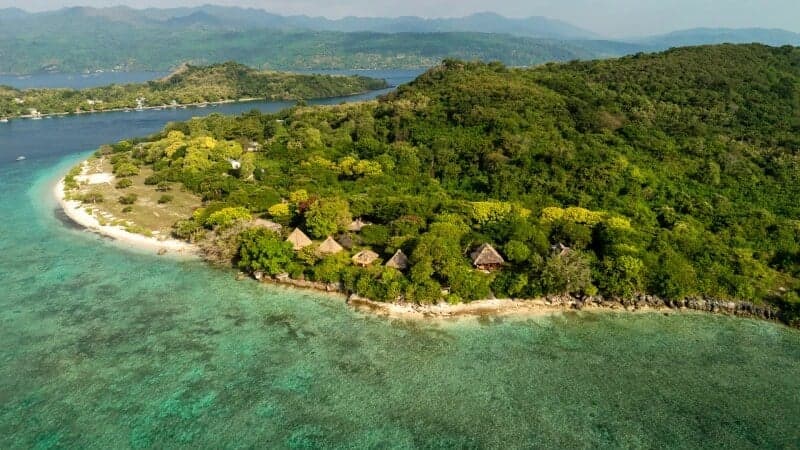
Alor is a cluster of islands at the far eastern end of the Lesser Sunda chain, well off the usual Indonesia route, where traditional villages and bronze drum culture sit above a stretch of water that delivers some of the country’s most serious diving. It is remote, it is quiet, and it rewards the traveller who is happy to go the extra leg to get there.
Alor is not a place you stumble onto. You fly to the eastern edge of Indonesia, past Bali, past Flores, almost to Timor, and you arrive somewhere that has kept its own pace. There are two main islands, Alor and Pantar, plus a scatter of smaller ones in between, all part of East Nusa Tenggara province. The reward for the distance is a destination that still feels lived-in rather than laid on for visitors: weaving villages, mountain hamlets, a small museum full of mystery drums, and a strait below the surface that divers travel across the world to see. Here is what Alor is really about.
Above the water
The hub for everything is Kalabahi, the only real town on the islands and the harbour where most trips begin. It sits at the head of a long, sheltered bay on Alor’s north coast, ringed by hills, and it is small enough to feel like a working Indonesian port rather than a tourist stop. This is your base: a handful of guesthouses and dive lodges, a busy market, and boats coming and going from the islands across the bay. The airport sits a short drive away at Mali, but the town and the harbour are the centre of things.
What makes Alor worth time on land is that the old culture is still the everyday culture, not a performance. The islands are home to mostly Papuan (non-Austronesian) peoples, speaking distinct Alor-Pantar languages, who have held onto their traditional way of life, and you do not have to look hard to find it.
Takpala and the traditional villages
The clearest window into all this is Takpala, a hilltop hamlet of the Abui people in north-central Alor, near the village of Lembur Barat. The Abui still build and live in the pyramid-shaped houses that define the place: four heavy wooden pillars, walls woven from bamboo, and steep roofs thatched with coconut and palm leaves. Visitors are welcome, and on the right day you can see the Abui war dance (the lego-lego), performed by men in traditional dress. A local guide makes the visit, both for the introductions and for reading the etiquette of arriving in someone’s home village.
The island of a thousand drums
Alor’s strangest claim to fame is the Moko. These are small bronze kettledrums, hourglass-shaped, that turn up across the islands in numbers no one can fully explain. The leading theory traces them back to the Dong Son bronze culture of northern Vietnam more than two thousand years ago, which raises an obvious question: how did so many end up here, on islands this remote? For centuries the Moko was the islands’ currency and a measure of wealth, used in dowries and trade, and families still hold them. You can see a collection, along with the islands’ distinctive Kawate hand-woven cloth, at the Museum of a Thousand Mokos in Kalabahi. It is a small museum, but it frames the whole archipelago better than any view does.
Landscape, weaving and a slow pace
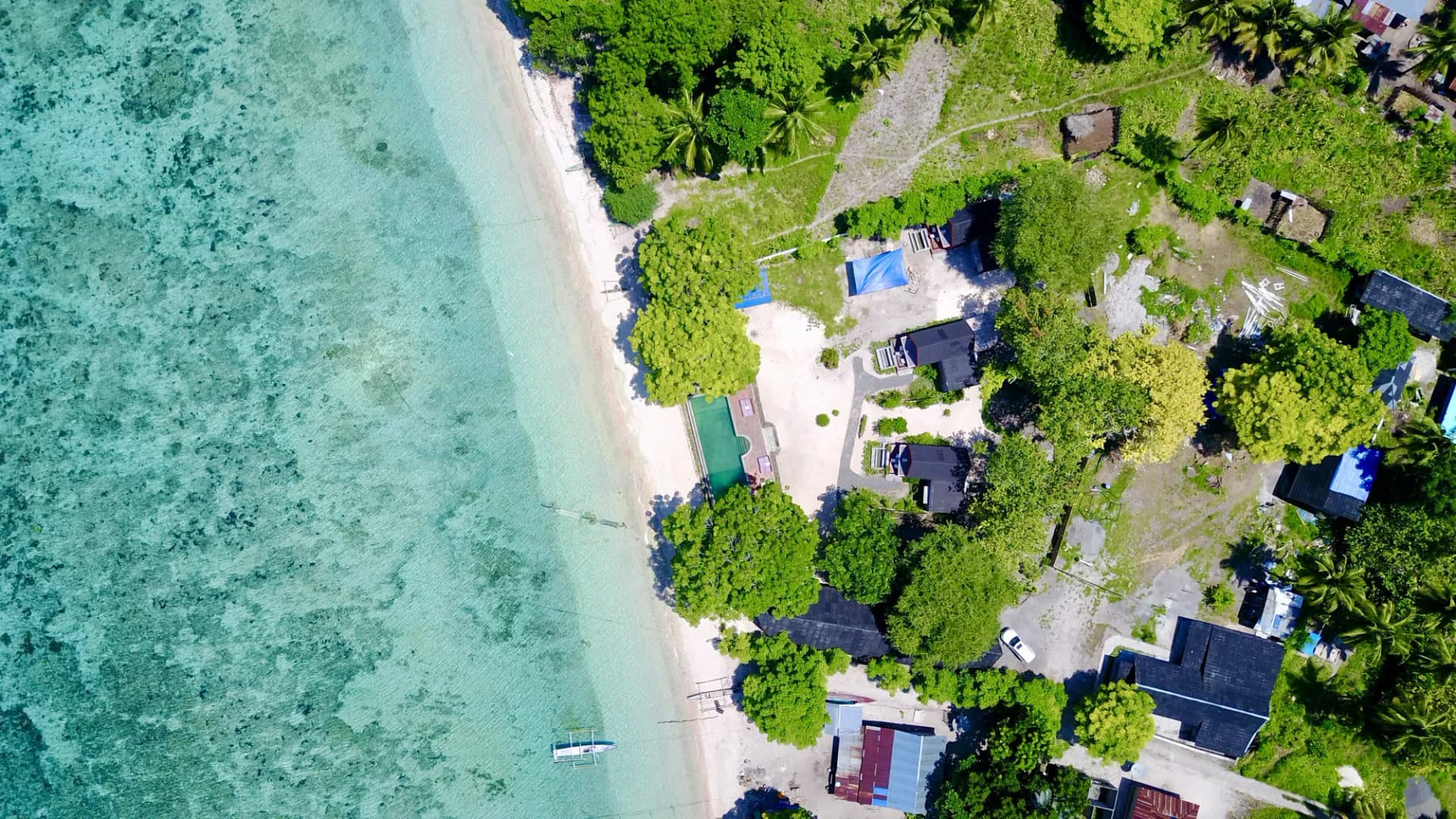
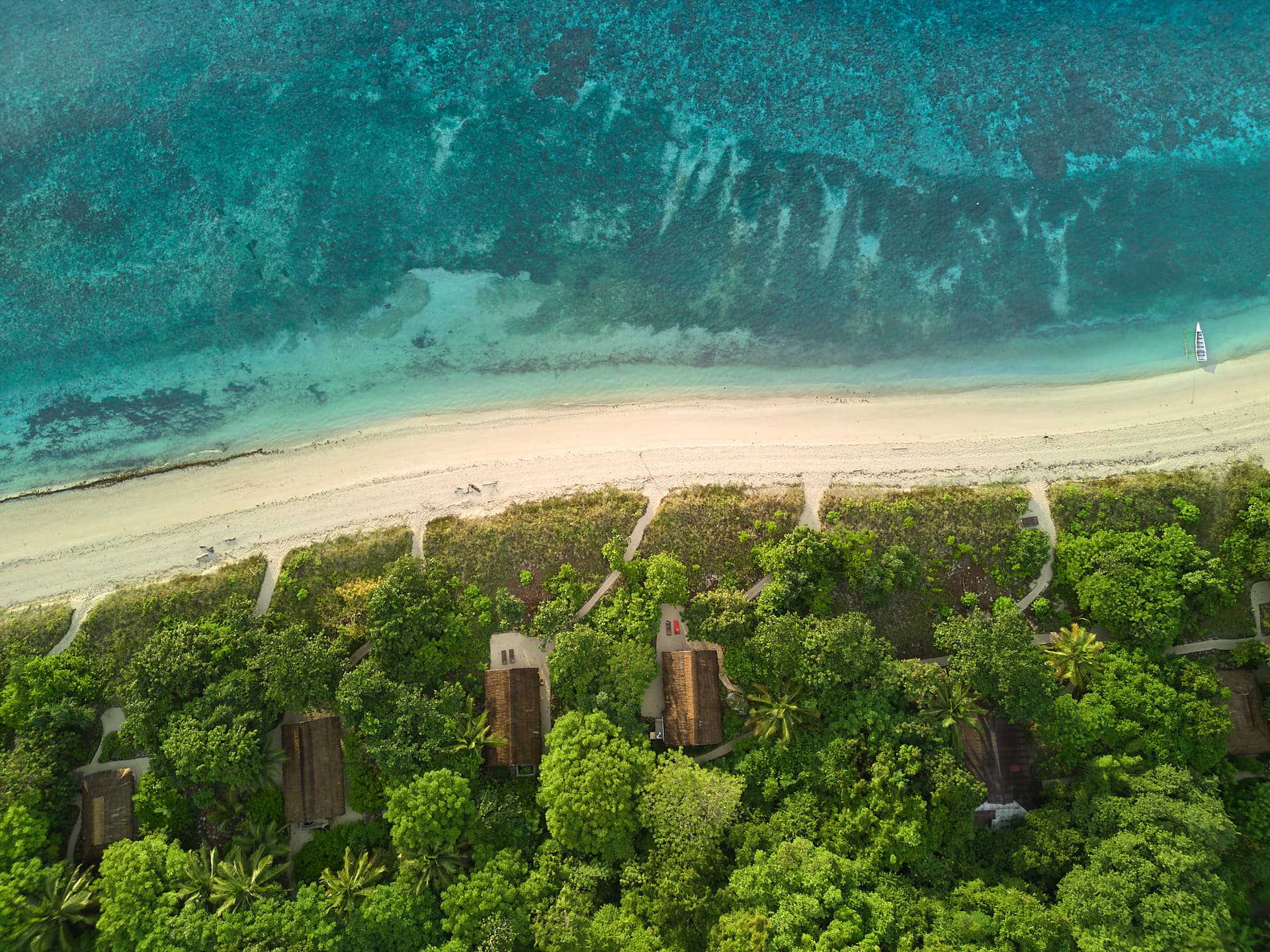
Above the diving, Alor is mountains running down to the sea, volcanic peaks, black-sand coves and a coastline that is almost entirely undeveloped. The weaving (ikat) is among the best in the region, dyed and woven by hand in villages where the craft is part of daily life rather than a souvenir trade. None of this is packaged. The point of land time in Alor is to slow right down: a village visit, a market wander, a viewpoint over the bay, and the sense of being somewhere very few travellers reach.
Scuba diving in Alor
Diving is the headline reason most people make the journey, and it earns the trip. Alor sits in the Pantar Strait, a narrow channel between the main islands where strong, cold, nutrient-rich currents funnel through. That upwelling is the engine behind the whole show: it feeds dense fish life, fuels the reefs, and pulls in big animals that would not otherwise bother with islands this size. The result is a rare combination, world-class macro in the bay and serious big-fish action in the strait, often on the same day.
In Kalabahi Bay the diving turns to muck and macro: black volcanic sand, calm water, and a critter list that keeps photographers down for the whole dive. Out in the strait the character flips to walls, seamounts, schooling fish and wide-angle scenes, with the chance of something large cruising past.
Top dive sites
- Karl’s Dream is the signature drift. You drop with a negative entry and fin straight down to a seamount where clouds of anthias hang over the coral. Watch the blue for schooling fusiliers, surgeonfish and snappers, with grey reef sharks, barracuda and rays the prize. It is a current dive and a physical one, but it is the dive people come for.
- Sharks Galore, off Pura Island, gives you the sharks without the full force of the current. In calmer or gently drifting water you have a good shot at grey reef sharks and whitetips circling the dog-tooth tuna. It often pairs with the nearby Clown Valley / Anemone Country, where the reef disappears under vast carpets of anemones and clownfish.
- The Twilight Zone, near Biangabang (Beangabang) village on Pantar, is a shore dive beside a lava flow. It is a macro and muck hunt in volcanic black sand: rhinopias, frogfish, ghost pipefish, mandarinfish, Coleman shrimp and seahorses all turn up here.
- The Boardroom and Batu Pantar round out the big-fish menu, with dogtooth tuna, Napoleon wrasse, big schools and the occasional dugong sighting in the strait.
What you will see
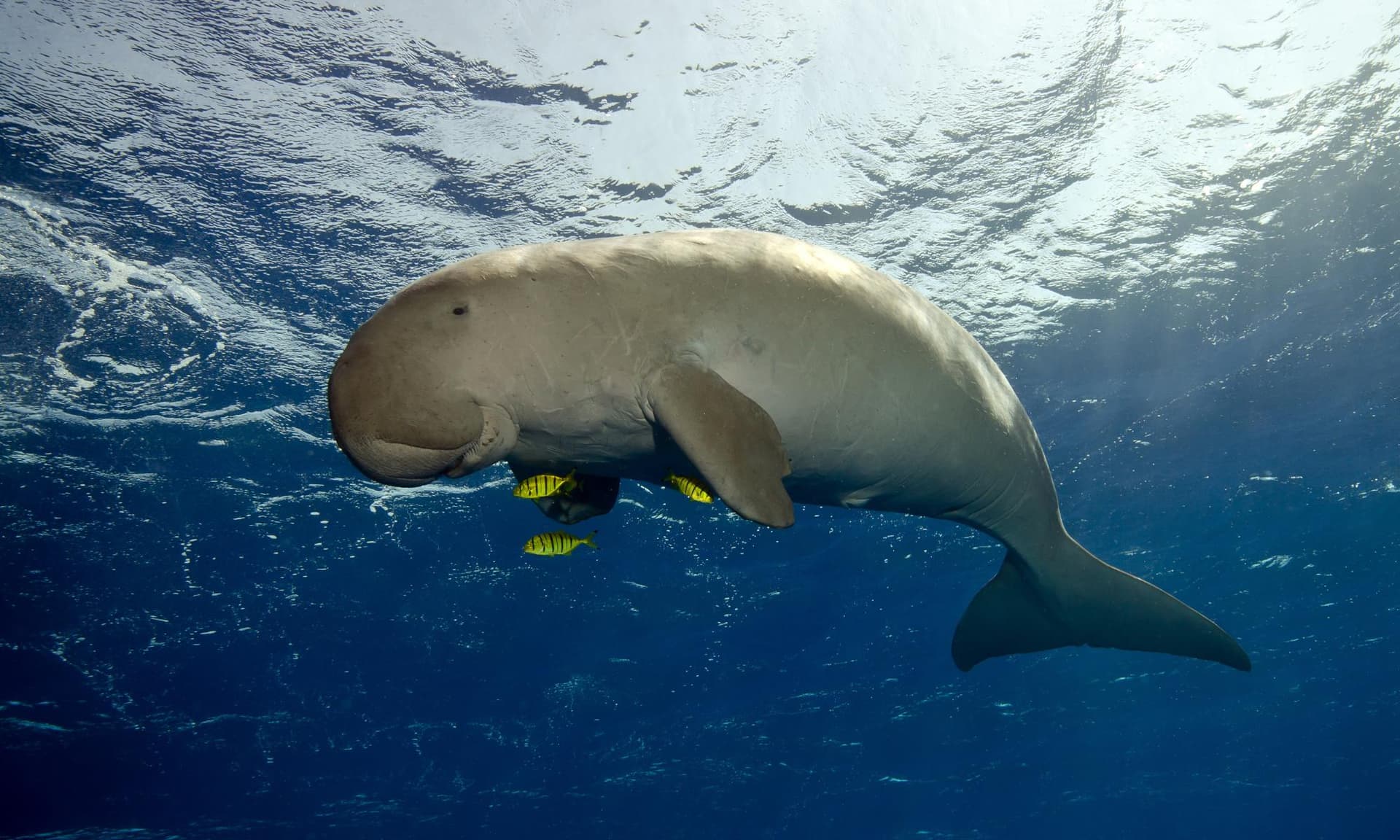
Alor’s draw is range. In the current you get pelagics: tuna, trevally, grey reef sharks, and a resident group of hammerheads on the northern side of the islands for divers willing to take on strong water. A resident, endangered dugong population lives in the bay. Dolphins are a frequent sight on the surface, and whales (melon-headed and even blue) pass through, most often during the migration season and the cold-water upwellings of the middle of the year. Those same cool months bring the chance of mola mola (the best window for the ocean sunfish is around September). Below all of that runs one of the best macro lists in Indonesia, plus oddities like the anemone fields and underwater volcanic vents.
Conditions and level
Alor is a destination for experienced divers. The signature sites in the strait have genuine current, the water is cool where the upwelling hits, and the islands are remote, so this is an Advanced setting overall. That said, the calmer macro sites in Kalabahi Bay suit a wider range of divers with a good local guide. Water runs roughly 25°C in the cooler months (March to April and October to November) up to 31 to 32°C from May to September. A 5mm wetsuit is sensible year-round and welcome on the cold dives. Visibility is usually 25 to 30 metres but can drop to 15 or less during plankton blooms, which is the trade-off for water this rich.
Best time to dive
The diving season runs roughly April to November, with the best overall conditions and clarity. The cooler upwellings in the middle of the year raise your chances of mola mola and hammerheads but bring colder water, so plan around what you want to see. Outside the season, surface conditions can be unsettled and visibility drops.
How to dive it
Alor is dived either land-based, staying at a dive resort and running day boats into the strait, or by liveaboard. Land-based divers stay at one of Alor’s dedicated dive resorts, such as Alor Divers, Nautika Dive Alor or Moko Alor Dive Resort; you can browse all the dive resorts in Alor on our site. The liveaboard option reaches more sites and often folds Alor into a longer crossing, passing through the region on the way between the Spice Islands and Komodo, which is one of the best ways to combine Alor’s water with the hammerhead seamounts further east. Tell us your dates and your level and our dive-travel team builds the trip around them. Upcoming trips are listed on our Alor liveaboard dates and prices page.
How to get there
Alor is the eastern frontier, so getting there is part of the deal. You fly into Mali Airport, a short drive from Kalabahi, and the practical route in is via Kupang, the capital of West Timor. There are no direct flights to Mali from most of Indonesia, so almost everyone connects through Kupang, which is well connected, with direct flights from Denpasar (Bali), Maumere, Ende, Jakarta, Surabaya and more. The Kupang to Kalabahi hop takes about 50 minutes. Most trips therefore route Bali to Kupang to Kalabahi. We arrange the flights, the transfers and the diving so the connections line up and you are not stranded between legs.
Combining Alor with the rest of Indonesia
Few people fly all the way to Alor for Alor alone, and you do not have to. Because the Pantar Strait sits on the great east-west diving corridor, it pairs naturally with the destinations on either side. A liveaboard can string Alor together with Maumere on Flores and the dragons and mantas of Komodo, or run east into the Banda Sea for the hammerhead seamounts and the history of the old Spice Islands (our Banda Sea diving liveaboard is one route that takes it in). If you are routing through Bali on the way in or out, it is easy to add a few days there at the start or end of the trip. Think of Alor as the wild, remote anchor of a bigger eastern Indonesia itinerary.
Best time to visit
For the diving, April to November is the window, with the cool mid-year months best for big animals and the shoulders best for clear, calm water. The same dry-season stretch is also the most reliable time to be on land, with easier travel and better weather for village visits and the boat crossings around the bay. Outside that window the seas get rougher and the remote connections less predictable, so the dry season is the safe bet for a trip built around both the islands and the water.
Planning a dive trip to eastern Indonesia? Tell us where and when you would like to go, and our team of dive-travel experts will build a custom Alor adventure around you.
Frequently asked questions
Plan for at least five to seven days on the ground given how far it is to travel, and longer if you are diving seriously. A land-based stay in Kalabahi of around a week lets you dive the strait, see the muck sites in the bay, and still get up to Takpala and the Moko museum. Many divers do Alor as part of a longer liveaboard crossing of a week or more.
April to November is the season, both for diving and for travel on land. The cooler middle of the year (around September) gives the best odds of mola mola and hammerheads but colder water. The shoulder months bring the calmest, clearest conditions.
Diving is the main reason most people come, and it is what Alor does best. But the islands have a real above-water draw: the Takpala traditional village, the Moko bronze drums and the Museum of a Thousand Mokos, the ikat weaving, and a remote, undeveloped landscape. Non-divers who like off-track culture and quiet will get something out of it, though they should know the islands are built around the water.
Overall it is an Advanced destination. The signature sites in the Pantar Strait have strong current and cool water. The calmer macro sites in Kalabahi Bay can suit less experienced divers with a good guide, but if you are newly certified, Alor is better as a step up once you have some drift dives behind you.
Fly to Mali Airport near Kalabahi, usually via Kupang in West Timor. Kupang connects to Bali (Denpasar), Maumere, Jakarta, Surabaya and more, and the final hop to Kalabahi is about 50 minutes. We arrange the flights and transfers so the connections work.
Both work. A land-based stay is straightforward and keeps you close to the bay’s macro sites and the villages. A liveaboard reaches more dive sites and lets you combine Alor with Maumere, Komodo or the Banda Sea on one crossing.
Yes, and most people do. Alor sits on the main eastern diving corridor, so it pairs well with Maumere, Komodo and the Banda Sea by liveaboard, or with a few days in Bali at either end of the trip.
The Pantar Strait. Cold, nutrient-rich currents funnel through a narrow channel and produce a rare mix: world-class muck and macro in the bay, plus big-fish action, resident hammerheads, dugongs and seasonal mola mola in the strait, all far from any crowd.
Your adventure starts here
Plan your trip to Alor
Tell us what you want to see and we'll craft the perfect itinerary, usually within 24 hours.
Plan My Trip →Enquire About This Destination
Any question, special request or custom itinerary, we reply within 24hrs.