Sumatra
Most Indonesia trips skip Sumatra entirely, bouncing between Bali, the Gilis, Flores. That’s their loss. This is the wild frontier with rainforest thick enough to hold wild orangutans, Lake Toba a volcanic caldera so vast it feels like an inland sea, highland cultures (Batak, Minangkabau) still living on their own terms, and a coastline strung with reef breaks most surfers never reach.
Sumatra is the sixth largest island in the world, and the largest sitting entirely within Indonesia. You come for jungle canopy where you actually see great apes, for traditional villages where ceremony matters more than tourism convenience.
The obvious catch is that Sumatra is vast, chaotic, and does not optimize itself for travelers. Roads require patience. Regional logistics can overwhelm a solo planner. But that is exactly why the custom itinerary works here. We stitch together the pieces that matter, jungle treks where you track orangutans, Lake Toba’s highlands with their distinct Batak culture, the Minangkabau food culture around Padang, the coastal breaks if timing allows. We handle the grinding logistics so you simply move through the story. You get the real island without the travel headache.
Jungle and Orangutans at Bukit Lawang
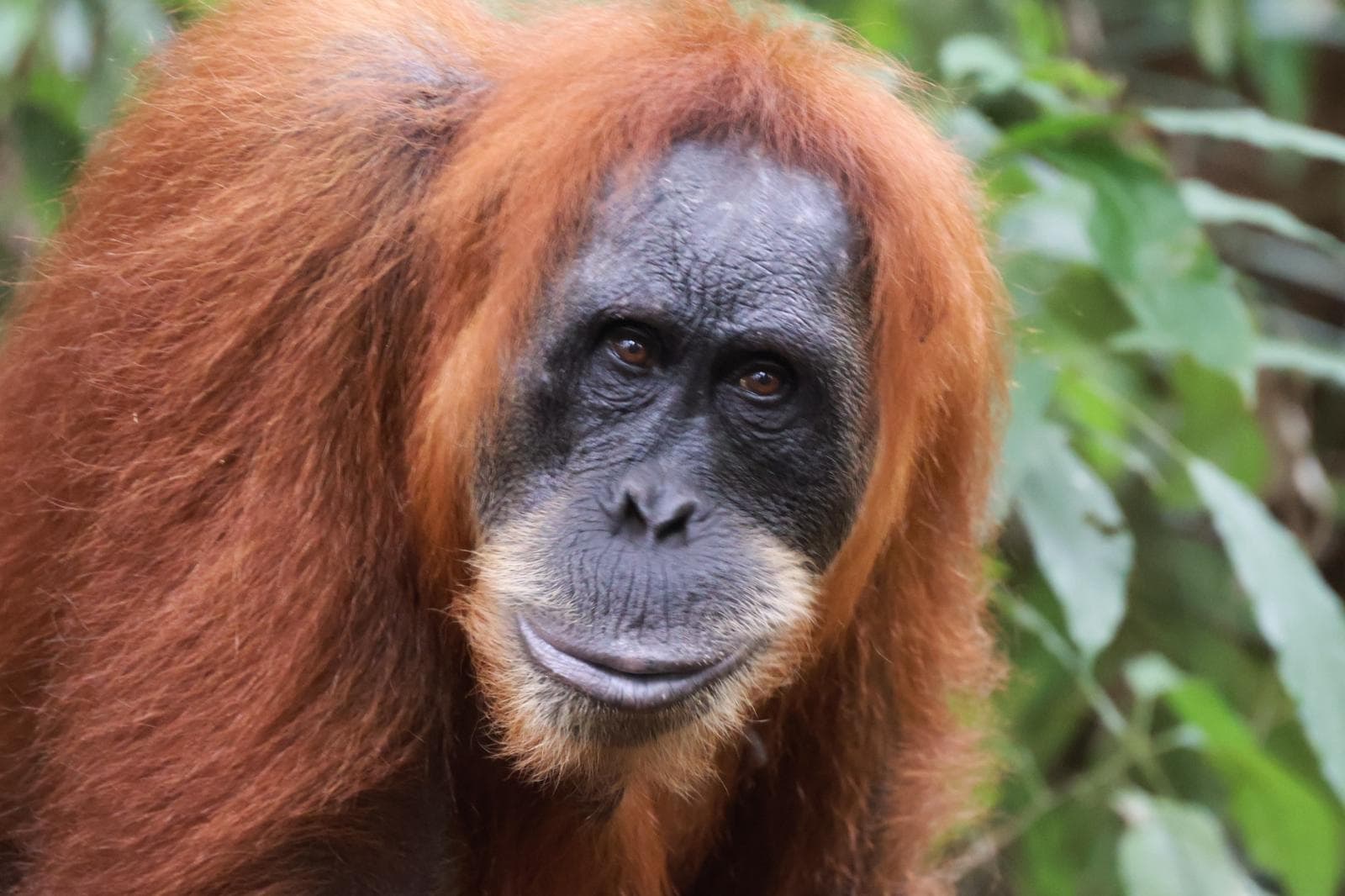
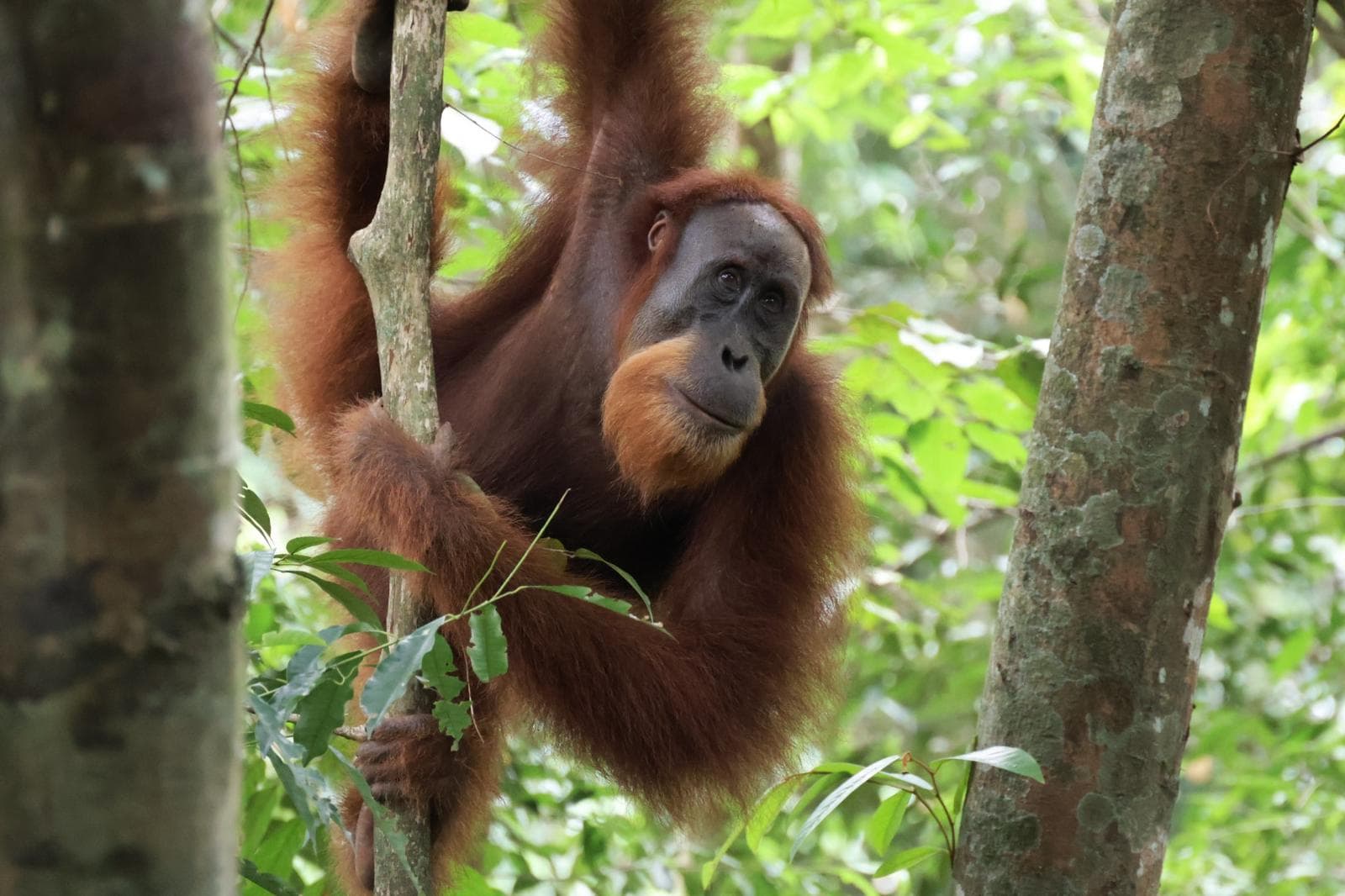
If Sumatra has one signature experience, this is it. Bukit Lawang, in North Sumatra, is the gateway to Gunung Leuser National Park, one of the last places on earth where you can trek into the forest and meet wild Sumatran orangutans in the trees above you. This is not a sanctuary viewing platform. It is real rainforest, and the orangutans are wild, alongside Thomas’s leaf monkeys, gibbons, hornbills and, if you are very lucky, signs of the rarer residents.


The village sits on the Bohorok River, and a trek here usually mixes forest walking with river crossings and, on the way back, tubing down the rapids on an inflatable. Treks run from a few hours to multi day camping deep in the park.
We run two ways to do it. The Orangutan Day Trip in Bukit Lawang is the quick hit with a guided jungle trek and river time in a single day, good if you are short on time or testing the water. The Orangutan Expedition, 2 to 4 days, in Bukit Lawang goes deeper into Gunung Leuser, sleeping in jungle camps, with more time, more distance and a much higher chance of long, unhurried wildlife sightings. A local guide is not optional here. The park is serious terrain and a good guide reads the forest, the animals and the safe distance etiquette that keeps both you and the orangutans well.
A note on ethics, because it matters, a responsible trek keeps its distance and never feeds the animals. We work with guides who follow the park’s wildlife rules, and we will tell you plainly if a request crosses the line.
Lake Toba and the Batak Highlands
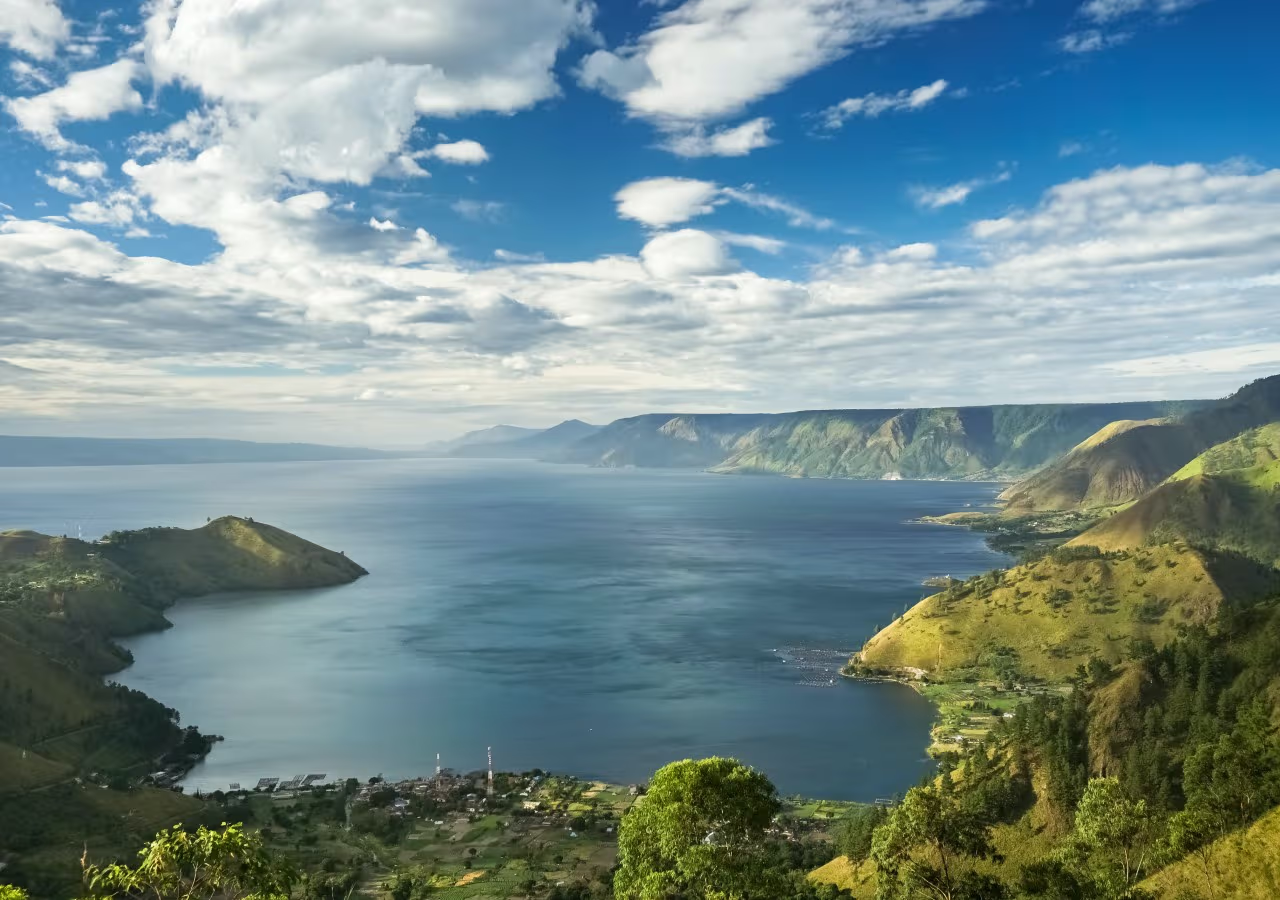
Lake Toba, in North Sumatra, is the largest volcanic lake in the world, formed by a supervolcanic eruption tens of thousands of years ago. The numbers are hard to picture until you are there, in the middle of the lake sits Samosir Island, roughly the size of Singapore, with its own villages, rice fields and beaches.

This is the heartland of the Batak people, and Samosir is where their culture is most visible. Look for the boat shaped traditional houses with their sweeping saddle backed roofs, the old royal sites and stone seats at Ambarita and Tomok, and the markets selling Batak weaving and woodwork. The lake itself is cool, high and calm, a genuine change of climate after the coastal heat, mornings can be misty and the evenings ask for a layer.
It is a place to slow down. Days go to exploring Samosir by scooter or car, swimming in the warm lake water, learning the Batak history at the old village sites, and eating local. A few quiet days at Toba pairs naturally with the Bukit Lawang jungle, and the two together make the classic North Sumatra loop.
Padang, Minangkabau Culture and Kerinci
Down the west coast, Padang is the cultural capital of the Minangkabau, the world’s largest matrilineal society, where family lineage and property pass down the female line. You see the culture in the architecture before you taste it, the dramatic rumah gadang houses with roofs that sweep up to points like buffalo horns.
Then you taste it. Padang food is one of Indonesia’s great cuisines and travels the whole country under that name. Rendang, the slow cooked beef in coconut and spices, was born here, and a proper Padang meal arrives as a table covered in small dishes you only pay for what you eat. This is reason enough to route through the city.
Padang is also the gateway to Kerinci Seblat National Park, the largest national park on Sumatra, running down the spine of the island. It holds Mount Kerinci, the highest volcano in Indonesia at 3,805 metres and a serious multi day climb, plus cloud forest, hot springs, the high crater lake of Gunung Tujuh, and some of the best remaining tiger habitat anywhere. This is rugged, committed travel for trekkers and naturalists, not a casual day out, and it rewards the people who plan for it.

The Mentawai Islands
Off the west coast lie the Mentawai Islands, a remote archipelago that pulls two very different crowds.

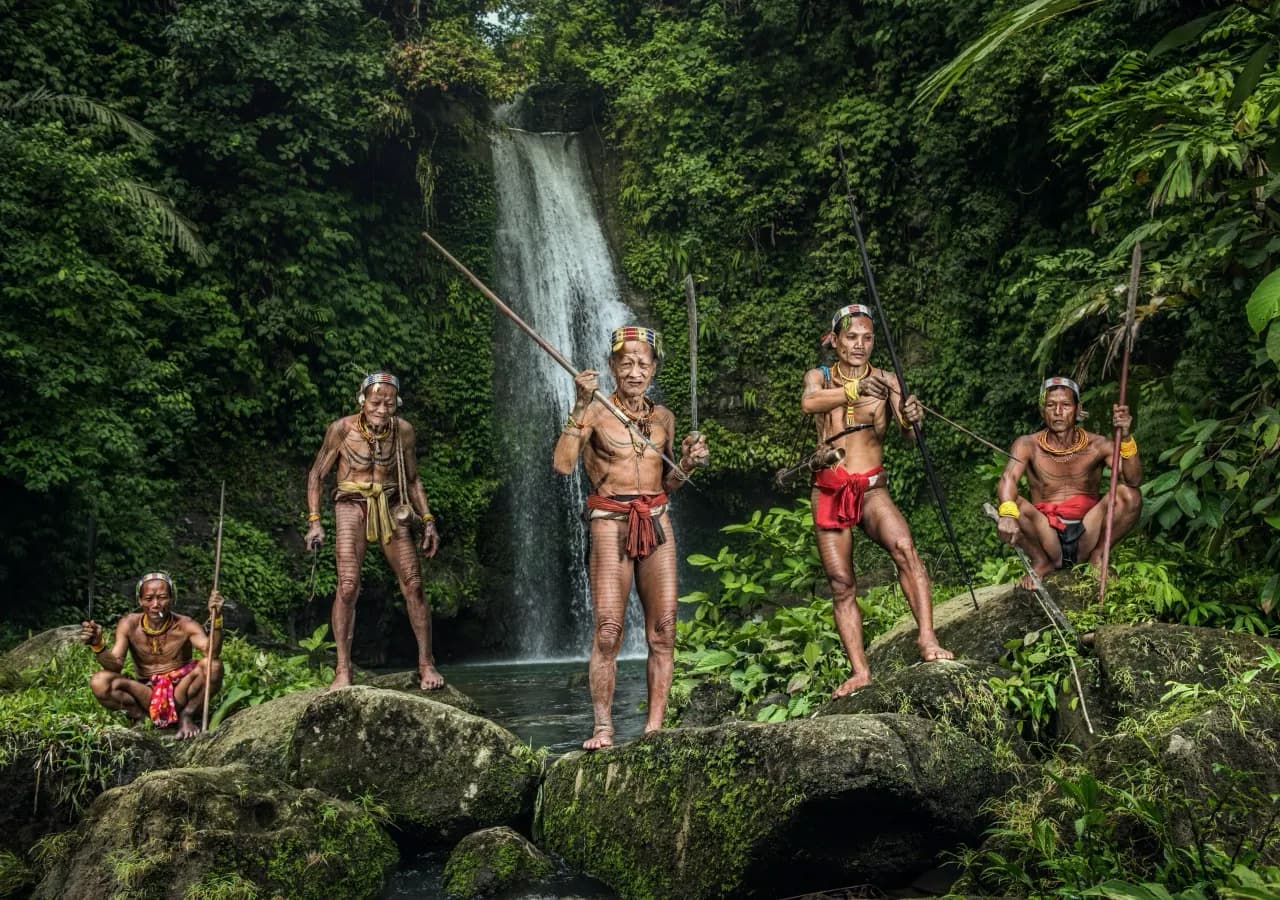
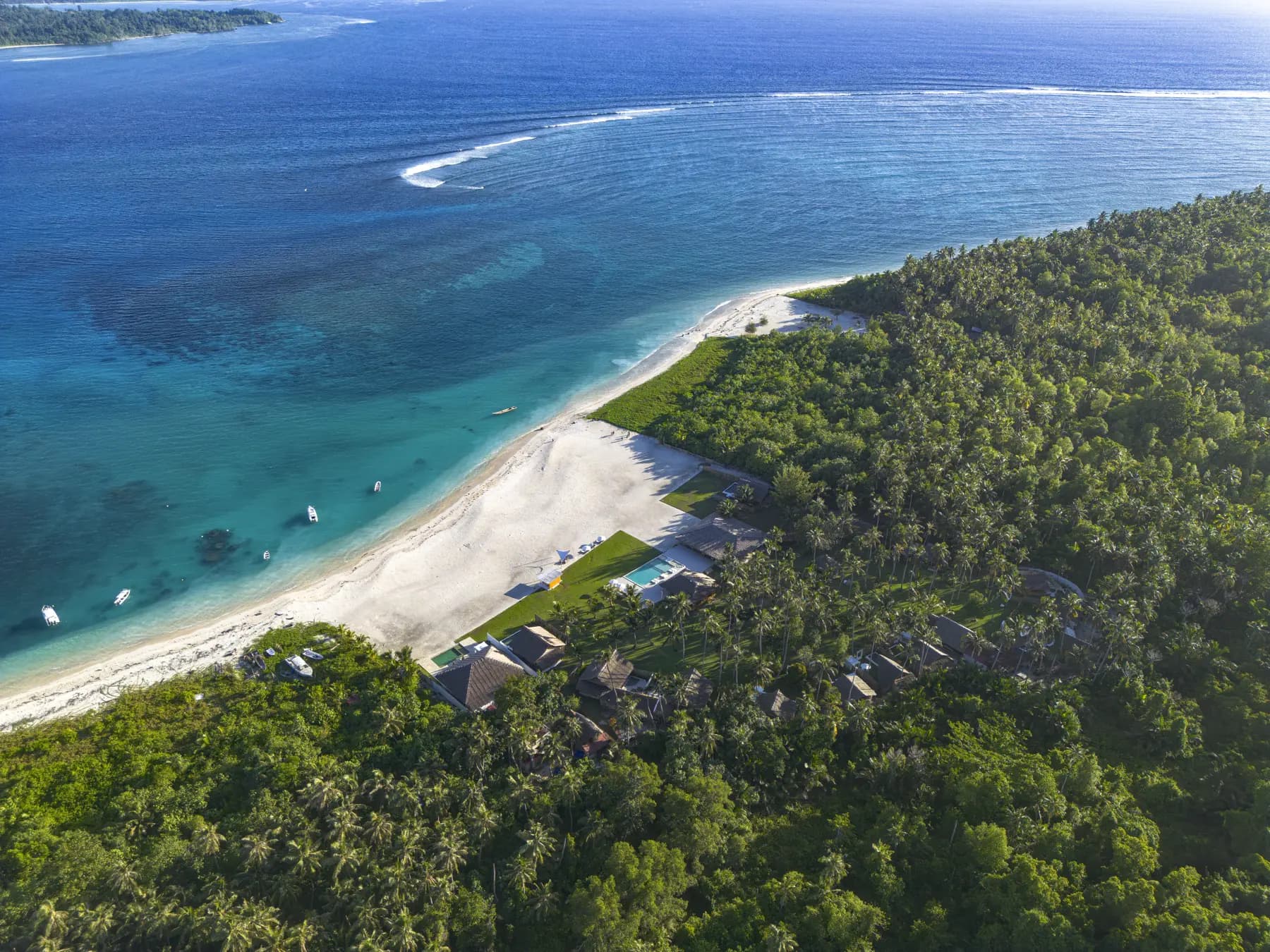
For surfers, this is one of the most consistent and high quality wave zones on the planet, a long season of reef breaks usually reached by boat or surf camp. For everyone else, the draw is the indigenous Mentawai people, who live deep in the rainforest of Siberut and have kept much of their traditional way of life with the clan longhouses, the shamanic healing, the hand-tapped tattoos, the bow hunting and sago harvesting.
We run the Remote Tribes of Sumatra, a 6 day Mentawai expedition, which takes you by boat and on foot into Siberut to stay with a Mentawai family in their forest home. It is immersive and genuinely remote travel, the kind of trip that is closer to an expedition than a holiday, and it asks for an open mind and a flexible attitude. It is also one of the most rewarding cultural experiences in all of Indonesia.
Bangka Belitung and the East Coast Beaches
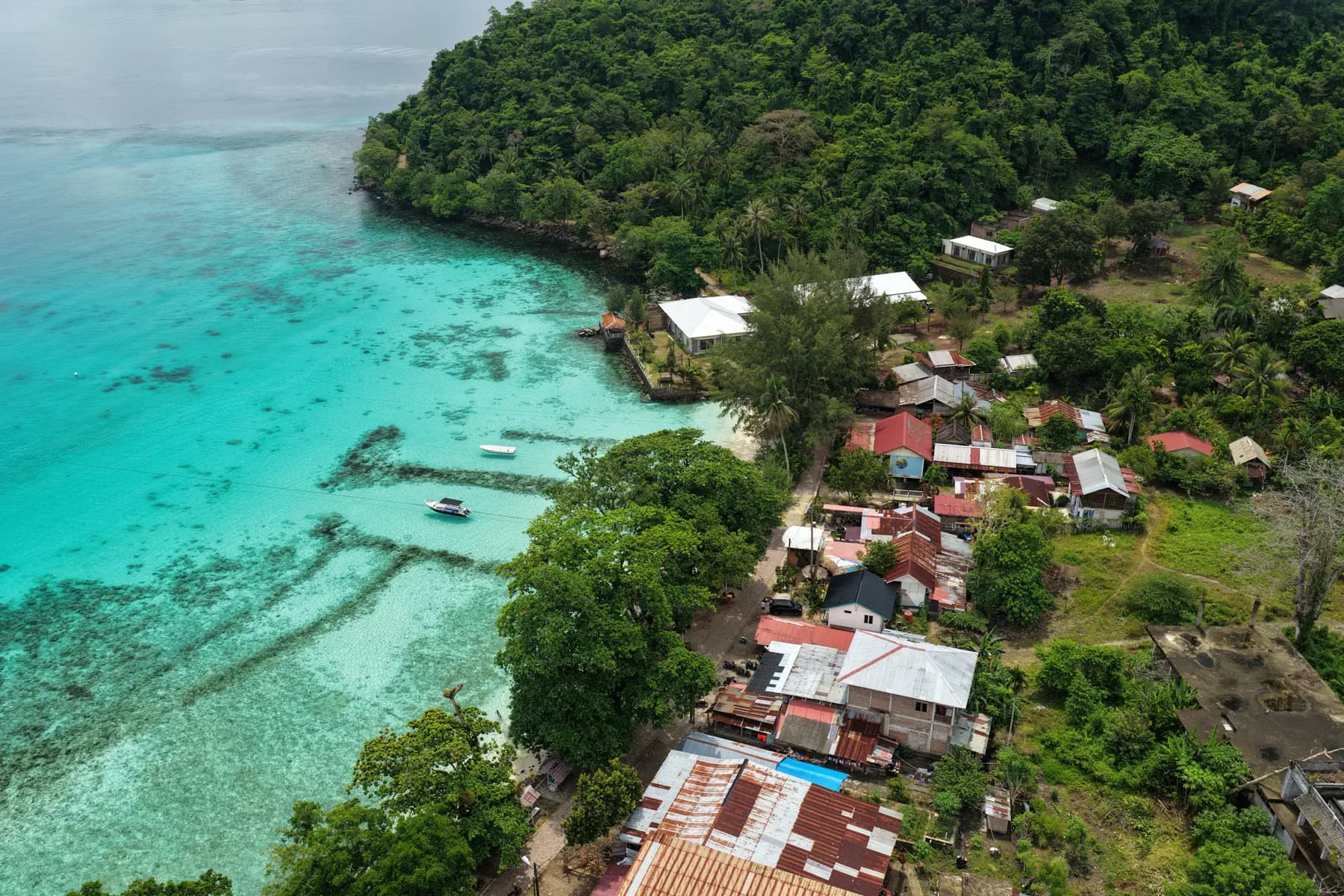
For a complete change of pace, the Bangka Belitung Islands off the east coast are Sumatra’s beach corner. The headline is Belitung with white sand bays, shallow turquoise water and the famous giant granite boulders stacked along the shore and on tiny offshore islets. The Lengkuas Lighthouse sits on one of them, and you can climb it for a wide view over the scatter of islands.
The culture here is a blend of Malay, Chinese and local heritage, and the islands carry a long history of tin mining, told at sites like the Museum Timah in Pangkalpinang. Belitung is easy, photogenic and relaxed, a soft landing if you want a few low effort days bookending the harder adventure elsewhere on the island.
Sumatra, Region by Region
Sumatra is enormous, and you cannot see it all in one trip. A quick orientation:
North Sumatra (Medan, Bukit Lawang, Lake Toba): the classic first circuit. Orangutan jungle, the great volcanic lake and Batak culture, all within reasonable reach of Medan’s airport.
West coast (Padang, Bukittinggi, Mentawai): Minangkabau culture and food, the Kerinci highlands, and the surf and tribal islands offshore.
The east coast and islands (Bangka, Belitung): beaches, granite scenery and a slower, easier pace.
The far north (Aceh and Pulau Weh): the conservative, fiercely proud province at the tip of the island, and Sumatra’s one real dive spot (see below).
The deep interior (Kerinci Seblat, Gunung Leuser): big national parks for committed trekkers and wildlife travellers.
South Sumatra (Lampung): the quieter southern tip, and home to Way Kambas National Park, a wildlife reserve built around Sumatran elephants, with an elephant training centre, river cruises for gibbons and hornbills, and a real, if slim, chance of rhino or tiger sign for the patient. Our Satwa Elephant Ecolodge sits right by the park for anyone building this into a wider Sumatra route.
Most trips pick one region and go deep, or pair the North Sumatra loop with a relaxed tail end at the beach.
Where the Diving Is: Pulau Weh
Sumatra is an above water destination, not a dive trip, with one clear exception. At the very northern tip of the island, off Aceh, Pulau Weh (around the town of Iboih near Sabang) has Sumatra’s best diving with healthy reefs, walls, the odd current swept pinnacle like Batee Tokong with bigger fish and the occasional pelagic, and a quiet, end of the road feel. It is a worthwhile add for divers already travelling in the north, though it sits a long way from the rest of the island.
Food and Everyday Life
Sumatra eats well, and the food shifts as you move around the island. Padang cuisine is the famous one, built on rendang, gulai curries, fiery sambals and that pile of small plates serving style. In the north, Batak food around Lake Toba runs spicier and more distinctive, with dishes like arsik (spiced carp) and the herb andaliman, a Sumatran cousin of Sichuan pepper that buzzes on the tongue. Across the island, the coffee is excellent. Mandailing and Gayo beans from the Sumatran highlands are some of Indonesia’s best, and you can drink them at the source.
Daily life here is more conservative than Bali, especially in Aceh and the west, and a little awareness goes a long way with modest dress away from beaches and resorts, and a sensitivity to prayer times and local custom. People are warm and curious, and a few words of Indonesian open a lot of doors.
Best Time to Visit
Sumatra straddles the equator, so it is warm and humid year round, and rain can fall in any month. As a rule the drier season runs roughly April to October, which is the best window for jungle trekking, volcano climbs and the islands, with firmer trails and clearer skies. The wetter months from November to March bring heavier afternoon downpours, greener forest and fewer visitors.
Timing shifts a little by region, since the west coast and the east coast do not share the same rhythm. The Mentawai surf season and the best Bukit Lawang trekking both lean to the dry months. We tune the route to the season so you are in the right part of the island at the right time.
Getting There and Getting Around
Sumatra’s main international gateway is Medan (Kualanamu, KNO) in the north, the natural start for the orangutan and Toba loop. Padang (PDG) serves the west coast and the Mentawai, and there are airports at Pangkalpinang and Tanjung Pandan for the Bangka Belitung islands. Many travellers connect through Jakarta or Kuala Lumpur.
Distances inside Sumatra are long and the roads are slow and winding, so it pays to think in driving hours and to use internal flights between regions rather than trying to drive the whole island. From Medan, Bukit Lawang is around 3 to 4 hours and Lake Toba 4 to 5. We arrange private transport with an English or French speaking driver guide, which on Sumatra’s roads is by far the least stressful way to travel, and we build in flights where the distances make sense.
Frequently Asked Questions
For the classic North Sumatra loop, plan 7 to 10 days with a few days trekking for orangutans at Bukit Lawang and a few unwinding at Lake Toba, plus travel time, since distances are long. Add the west coast (Padang and the Mentawai) or a beach tail in Belitung and you are looking at two weeks or more. Sumatra is big and slow, so do not try to cram it.
The drier season, roughly April to October, is best for jungle trekking, volcano climbs and the islands, with firmer trails and clearer skies. It is warm and humid year round and rain is possible any month. The west and east coasts run on slightly different schedules, so the route gets timed to the regions you want.
Yes. Bukit Lawang, on the edge of Gunung Leuser National Park, is one of the few places on earth where you trek into real rainforest and see wild Sumatran orangutans in the trees. They are not in an enclosure. A guided day trip gives you a good chance, and a 2 to 4 day expedition deeper into the park gives you more time and better sightings.
Fly into Medan (KNO) for the north, or Padang (PDG) for the west coast, often via Jakarta or Kuala Lumpur. Inside the island, distances are long and roads are slow, so internal flights between regions and a private driver guide for the road sections are the most comfortable way to cover the ground.
Travellers who want raw nature and real culture over comfort and convenience, wildlife lovers, trekkers, surfers, and anyone who has done the polished side of Indonesia and wants the wilder version. It is not a luxury resort destination, and the rewards go to people who travel with a bit of flexibility.
Sumatra is a land destination, not a dive trip, with one exception. Pulau Weh, at the far northern tip off Aceh, has healthy reefs and walls and is worth it for divers already in the north.
Yes, though Sumatra sits on the western side of the country, away from Bali and the eastern islands, so it works best as its own focused trip or a first leg connected through Jakarta. Many travellers pair the North Sumatra jungle and lake loop with time in Java, or treat Sumatra as a standalone two week adventure.
Excellent and varied. Padang cuisine on the west coast, home of rendang, is one of Indonesia’s most famous, served as a spread of small plates. Batak food around Lake Toba is spicier and more unusual, and the island grows some of Indonesia’s best coffee, Mandailing and Gayo. Sumatra is a strong destination for anyone who travels for food.
Your adventure starts here
Plan your trip to Sumatra
Tell us what you want to see and we'll craft the perfect itinerary, usually within 24 hours.
Plan My Trip →Enquire About This Destination
Any question, special request or custom itinerary, we reply within 24hrs.