La P’tite Kepa
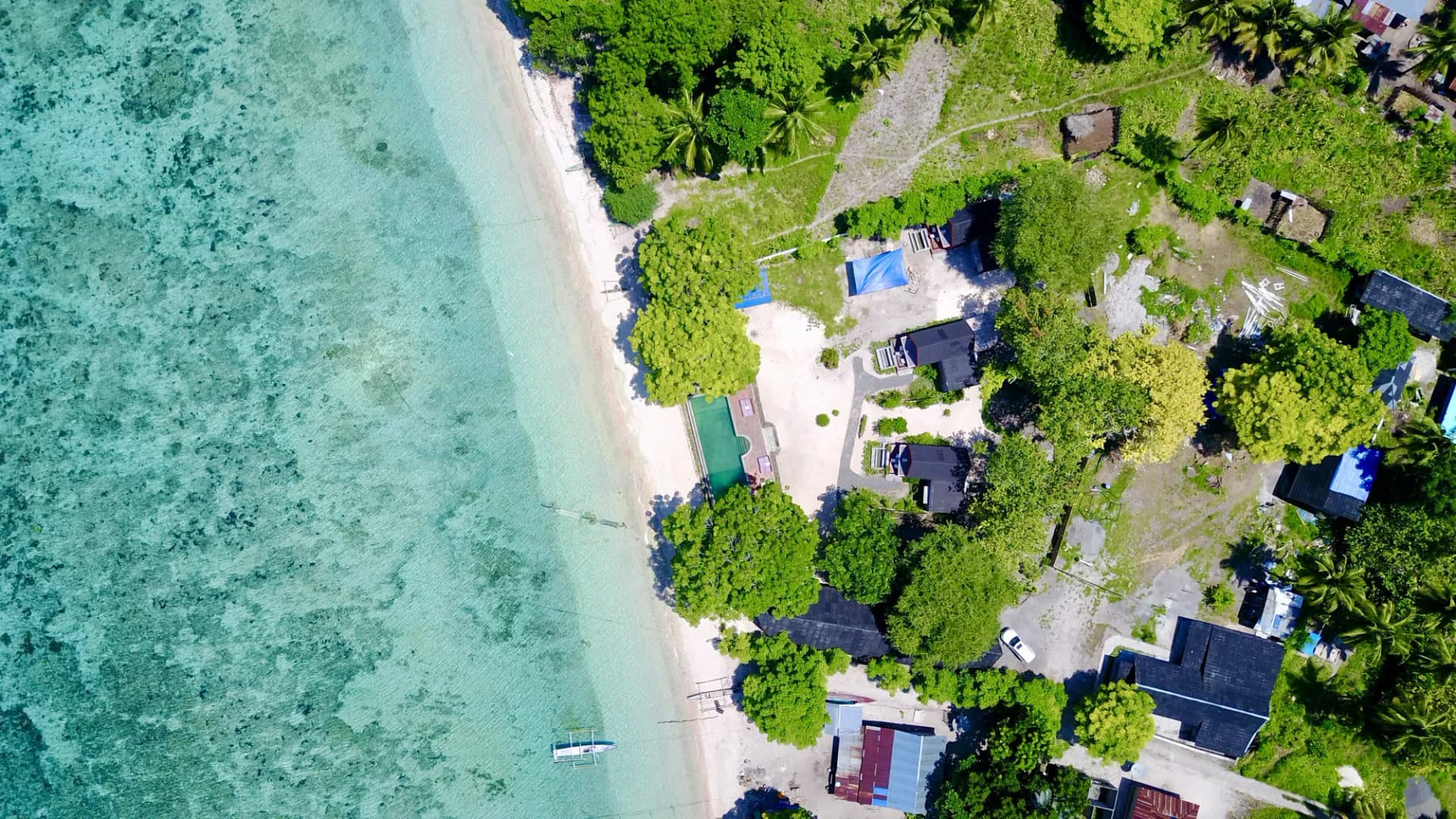
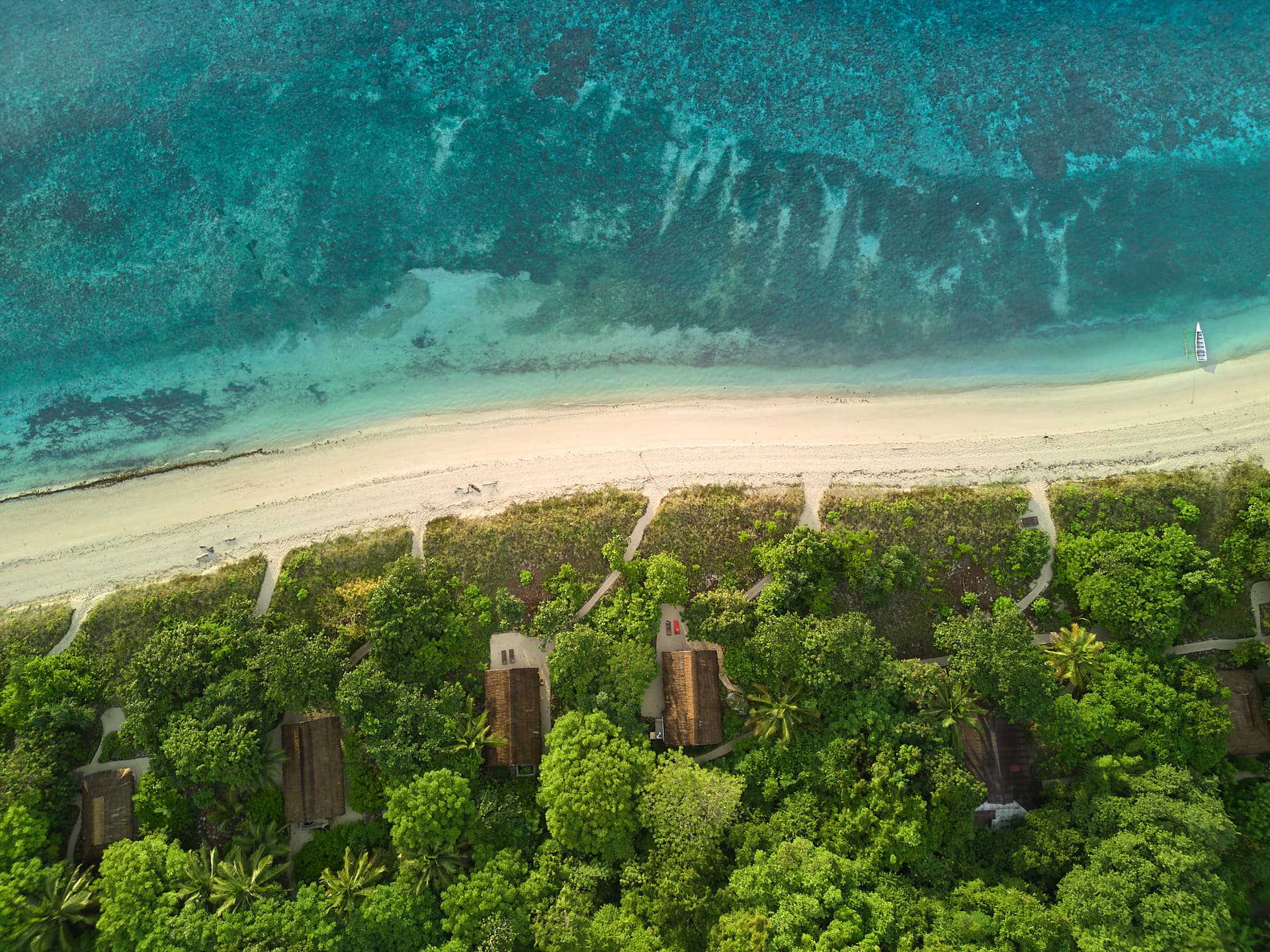
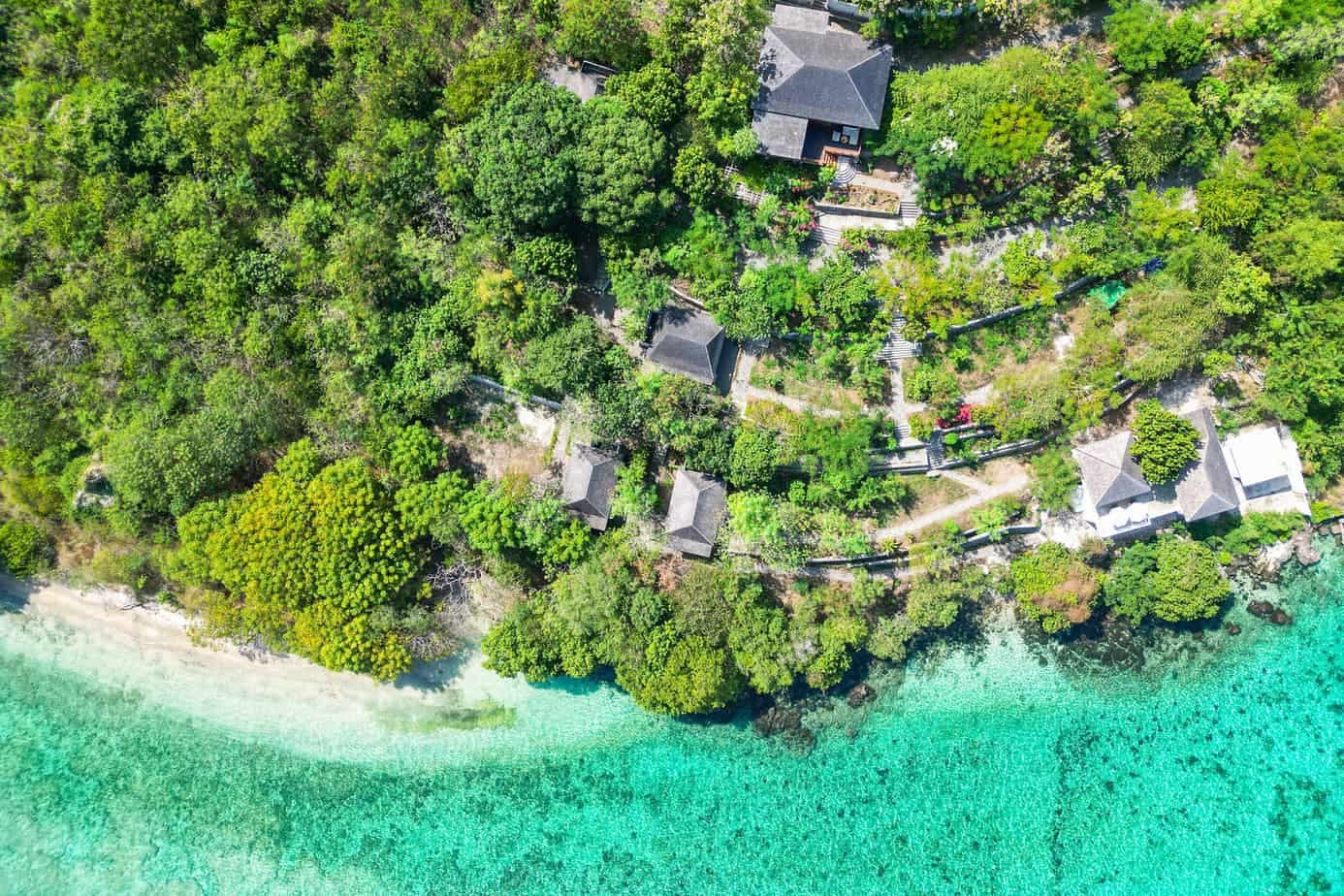
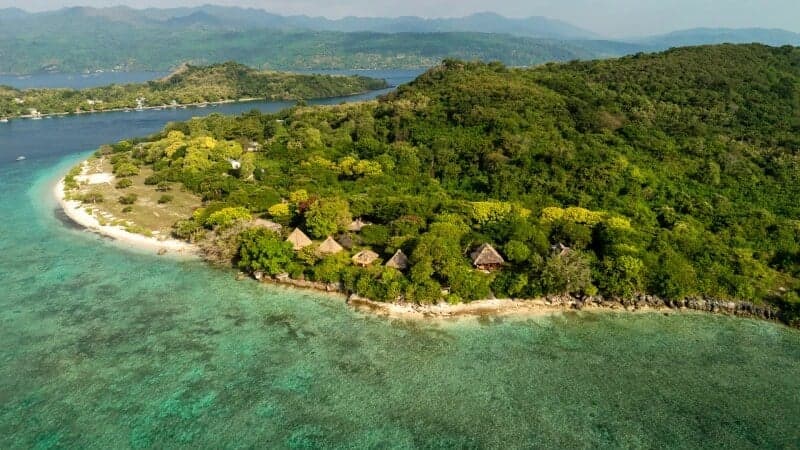
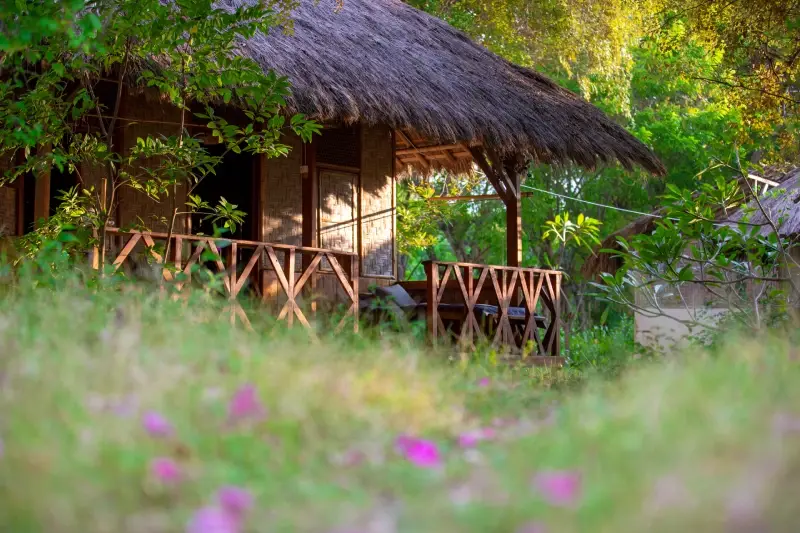
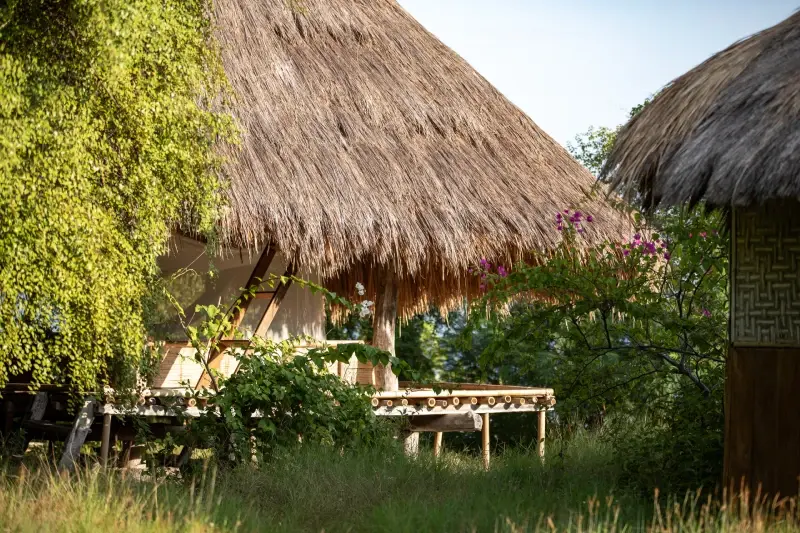
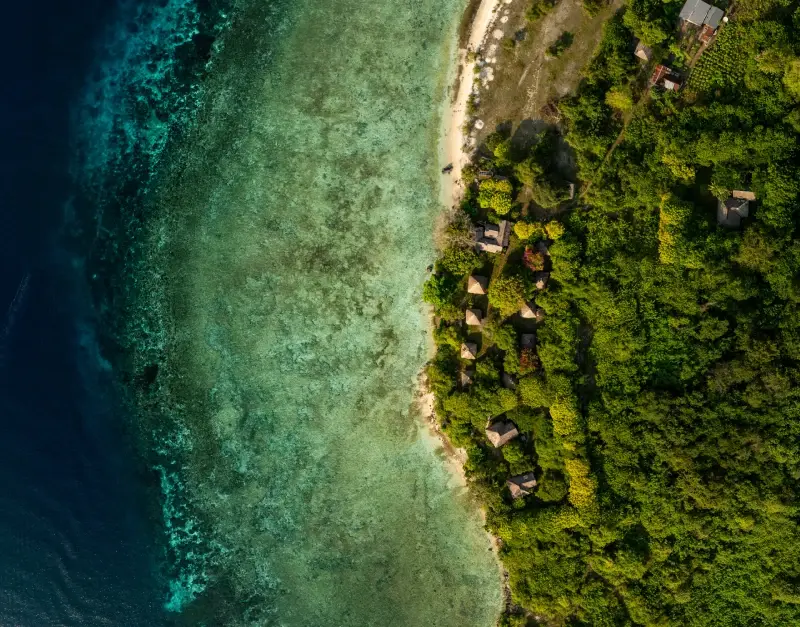
La P’tite Kepa is a small eco-resort on Kepa, an island of a few hectares in the middle of the Alor-Pantar Strait, five minutes by boat from the village of Alor Kecil. Ten bungalows and huts sit between the trees and the sea, built by carpenters from Kepa and the Alor mountains out of bamboo, local and recycled timber and thatch. The reef starts a few steps from the beach.
It opened in 1998 and was one of the first dive bases in Alor. Tom and Yle run the diving today, with much of the original team. Around ten to twelve divers stay at a time, guided in groups of three or four, which is the whole point of the place.
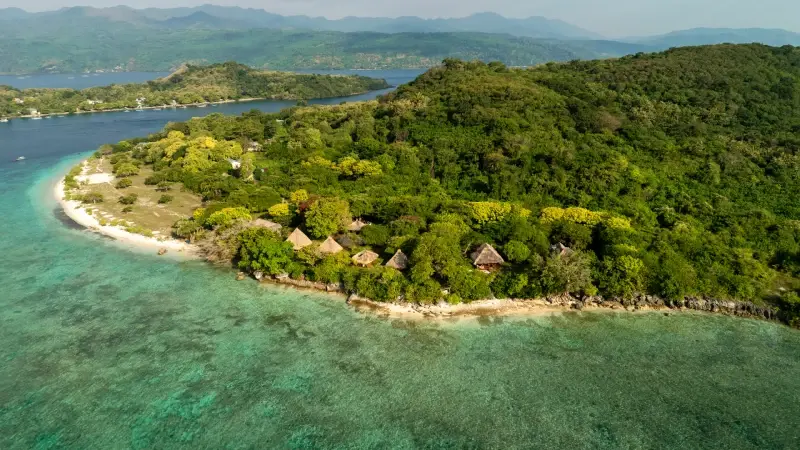
The bungalows
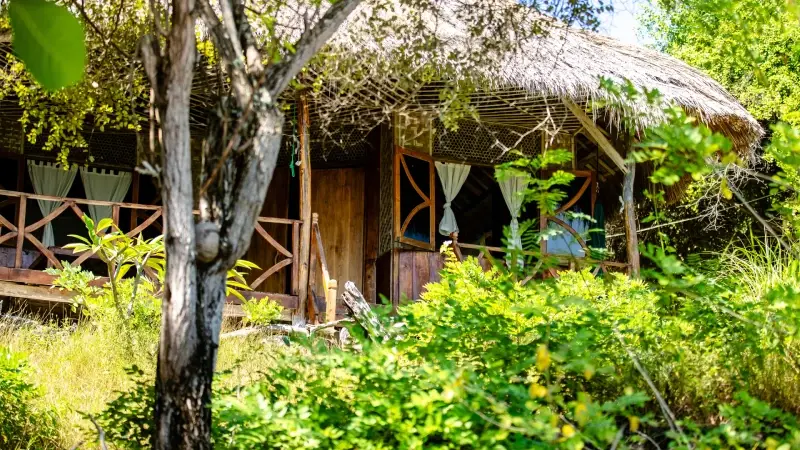
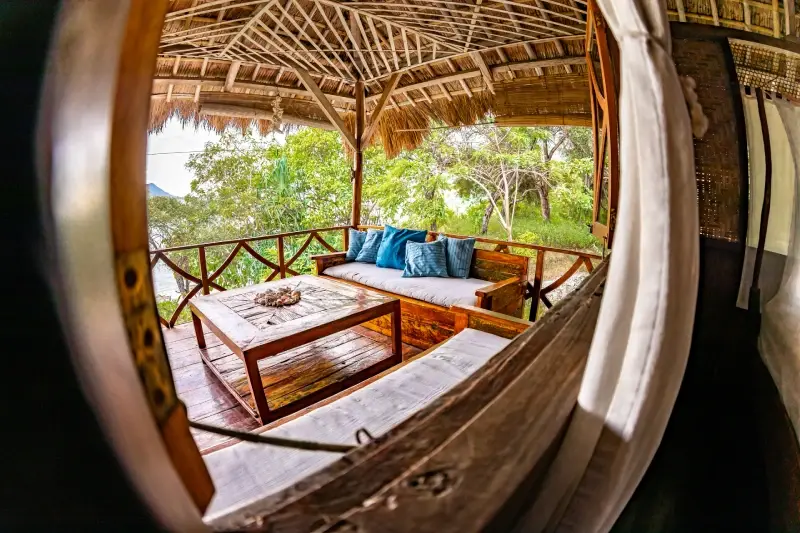
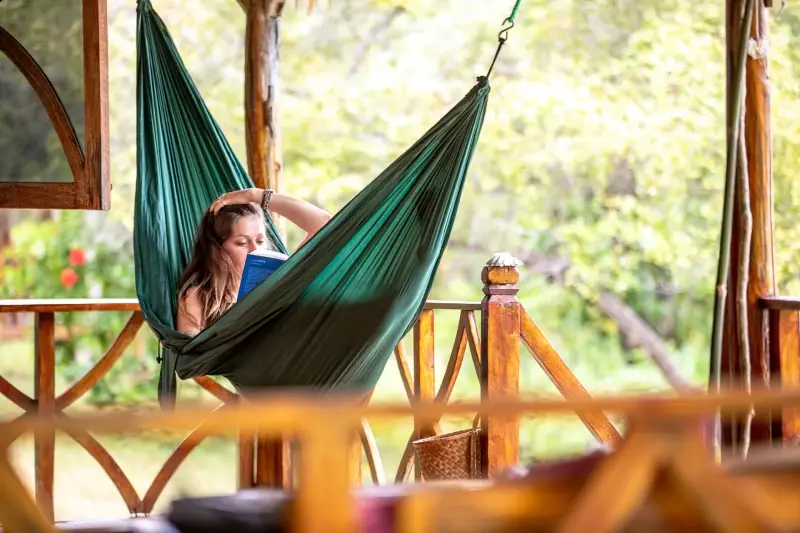
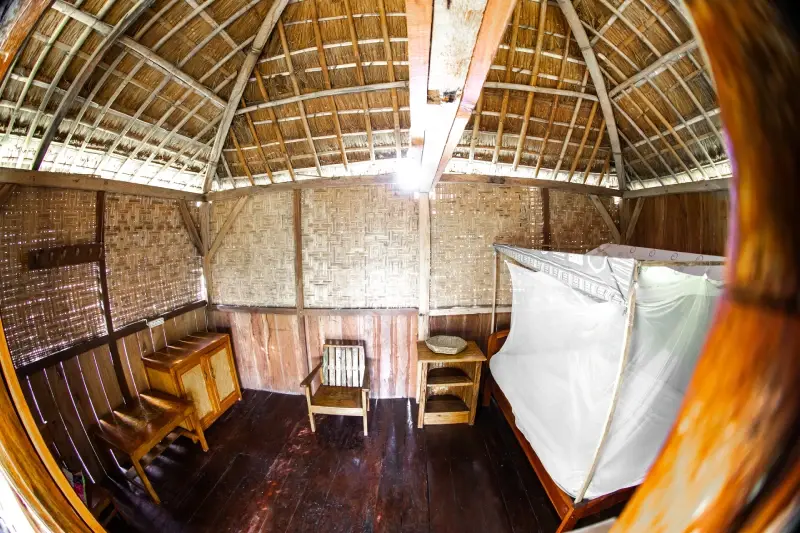
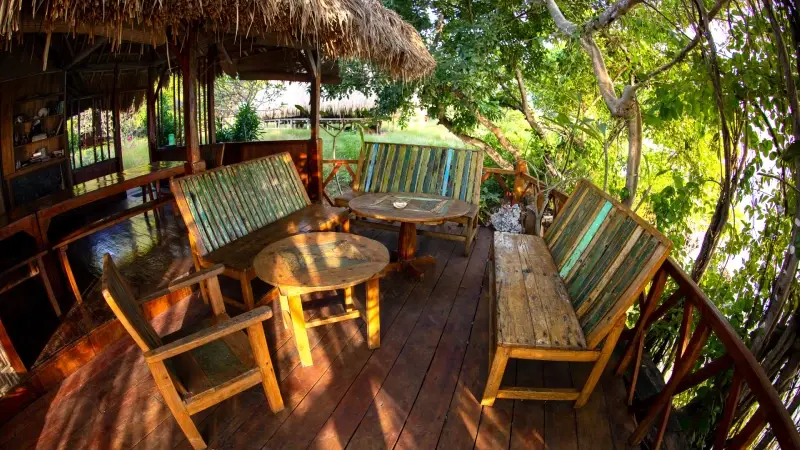
Every bungalow has its own terrace facing the sea, a mosquito net over the bed and a hammock somewhere nearby. Power is solar, so charging is possible but not unlimited, and there is no air conditioning: the strait does that job for most of the year. Three meals a day are included whichever room you take.
- Exclusive Deluxe Bungalow, 52 m2, private bathroom, sea-facing terrace and a 220V solar charging station of its own. Double bed, two singles can be added. From EUR 80 / USD 90 per night for two, EUR 72 / USD 85 single. Two of them.
- Comfort Standard Bungalow, 25 m2 with a 15 m2 bedroom and a 10 m2 terrace, private en suite bathroom with a bucket shower. EUR 58 / USD 65 for two, EUR 40 / USD 45 single. Three of them.
- Cosy Basic Bungalow, the same layout with shared bathrooms nearby. EUR 44 / USD 50 for two, EUR 32 / USD 35 single. Two of them.
- Traditional Hut, built in the style of the Alor mountain tribes, 5×5 m with a sea-facing terrace and shared bathrooms. EUR 41 / USD 45 for two, EUR 30 / USD 35 single. Three of them.
Extra person in a bungalow, EUR 20 / USD 25. Five per cent off a stay over a week, ten per cent over two. Rates are the operator’s published 2026 prices and can change; we confirm them when we quote. Dollar figures are indicative, converted at 1 EUR = 1.1534 on 13 August 2026. We can invoice in euro, dollar or rupiah.
Diving in Alor from Kepa
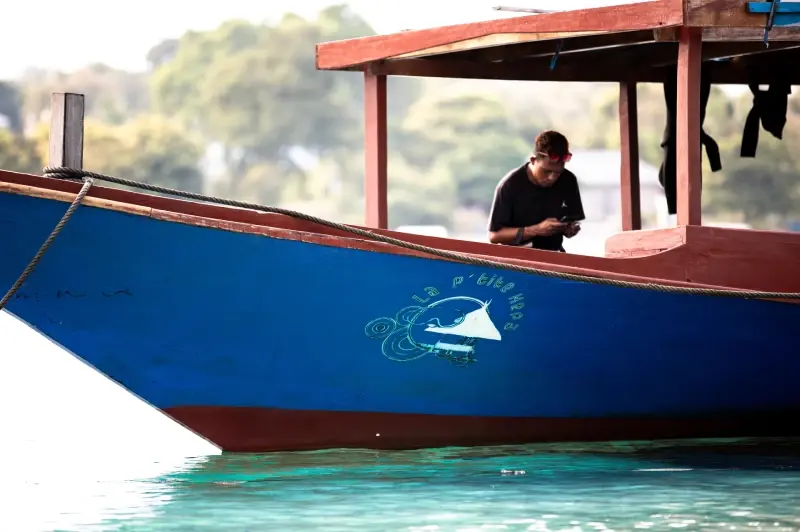
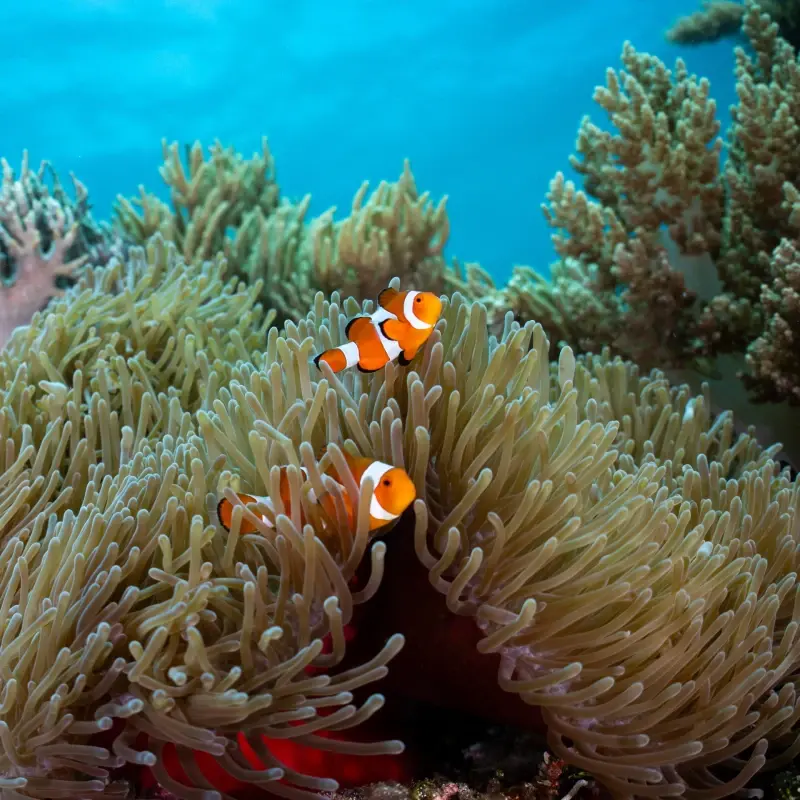
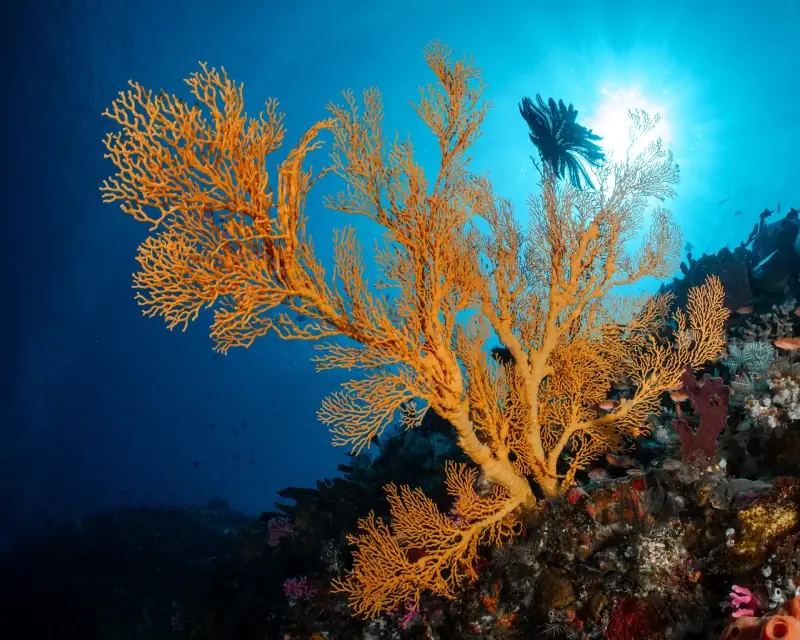
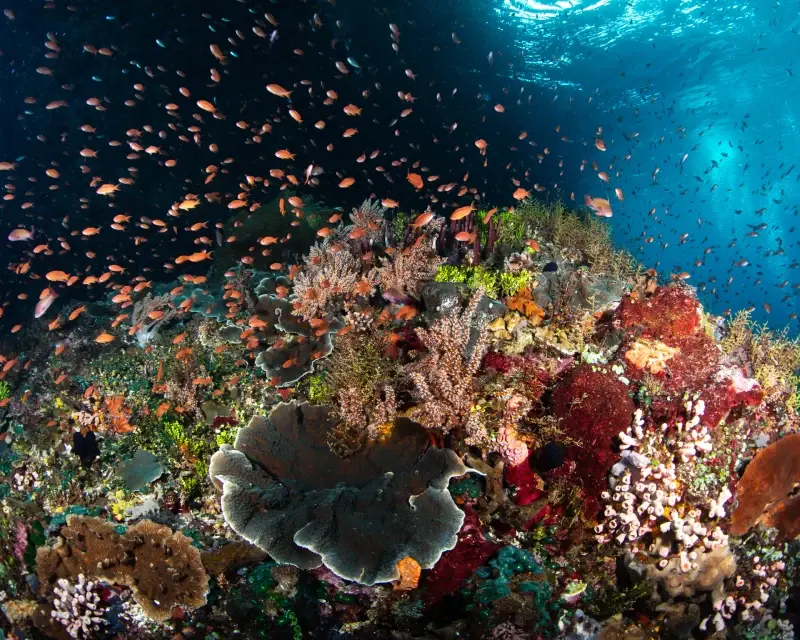
The Alor-Pantar Strait funnels cold, nutrient-rich water between islands, which is why the reefs here are what they are and why the currents demand respect. Sites are 2 to 40 minutes from the island by boat: walls, slopes, seamounts, pinnacles, coral gardens and the black-sand muck of Kalabahi Bay, which is a completely different kind of dive from the same base.
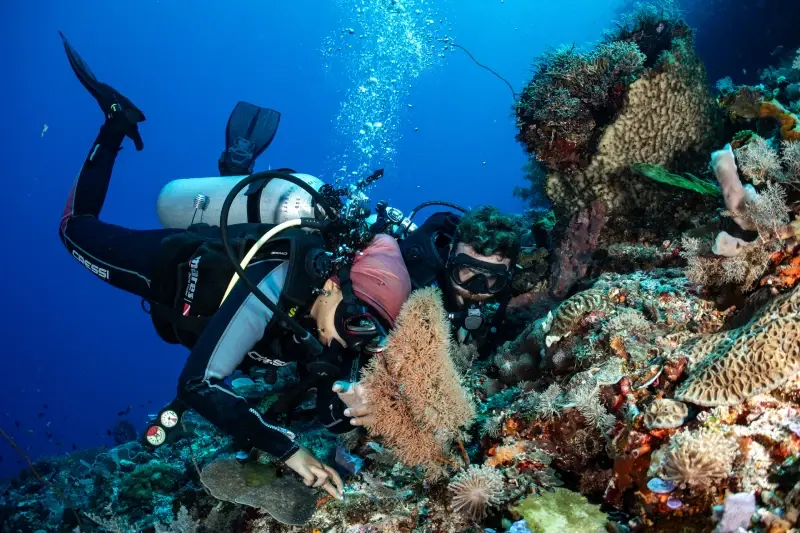
Most days are two morning dives, with an afternoon or night dive on request. Visibility can reach 40 metres. Water sits around 28C and drops to 25C, occasionally lower on specific sites in specific conditions, so a 3mm suit is the minimum and a 5mm is worth packing.
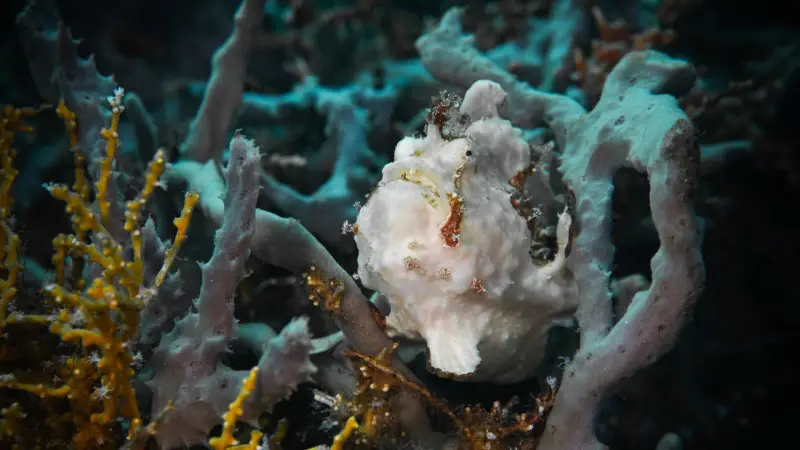
Alor is known for macro: rhinopias, pygmy seahorses, frogfish, stargazers, sea apples, squat lobsters and nudibranchs. Bigger animals pass through too, bigeye trevally, dogtooth tuna, giant grouper, Napoleon wrasse and eagle rays, and hammerheads and mola mola turn up when cold water pushes in. Nobody can promise those on a given week, and the team here will not pretend otherwise.
- Guided dive, EUR 44 / USD 50 each for the first ten, EUR 40 / USD 45 from ten to twenty, EUR 38 / USD 45 beyond that. Night dive EUR 48 / USD 55. Prices include boat, guide, tanks, weights and drinks on board.
- Snorkelling trip to two sites, EUR 22 / USD 25.
- Marine park fee, IDR 400,000 per day or IDR 1,500,000 for an annual pass.
- Five per cent off if you bring your own full set of gear.
- Rental is 12-litre aluminium tanks with DIN and international fittings, Mares and Cressi regulators and BCDs, 3mm and 5mm suits from XS to XL.
- Freediving courses and coaching are available, and the house reef is good enough to snorkel on your own.
One thing to plan for: the nearest recompression chamber is in Kupang, and reaching it means a charter flight or boat. Dive insurance covering evacuation and treatment is not optional here. DAN or equivalent.
Meals and the shared spaces
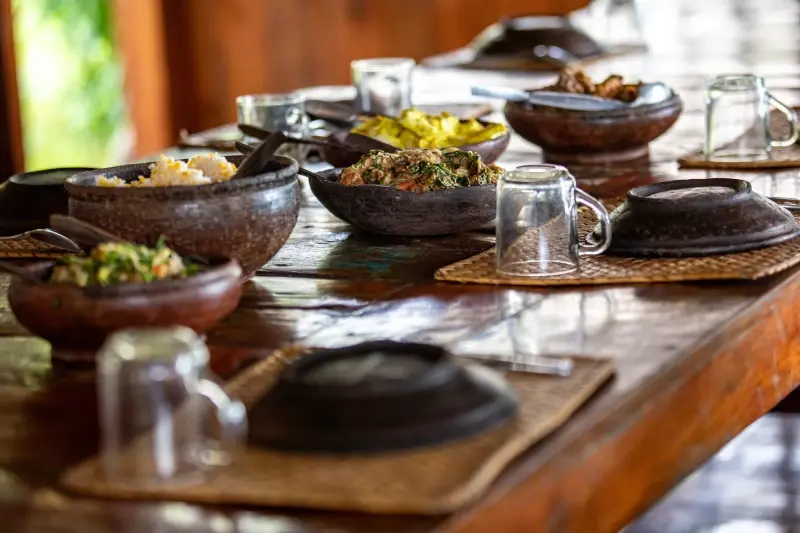
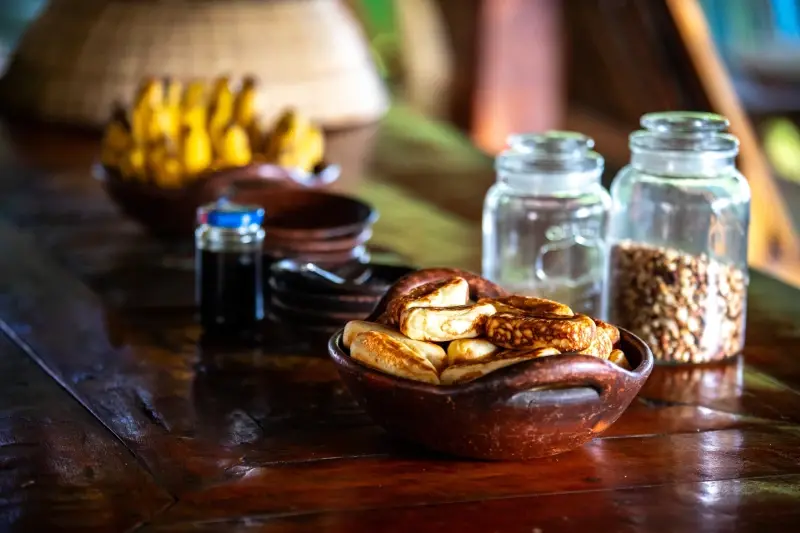
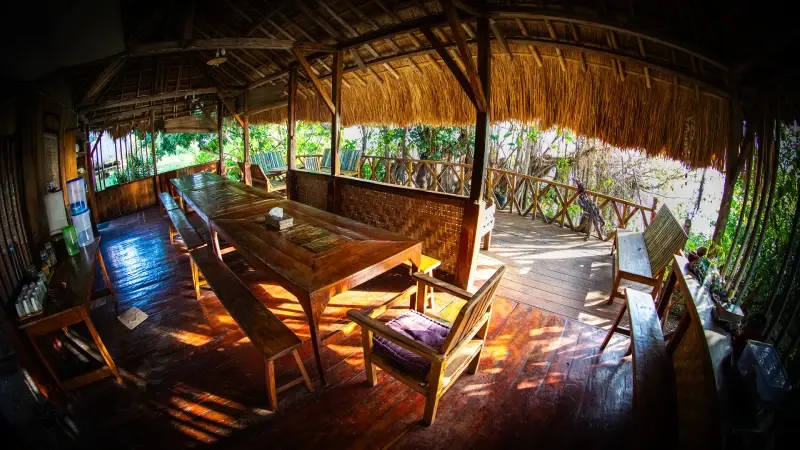
Breakfast, lunch and dinner are included and everyone eats together at a long table under the banyan tree. The cooking is Indonesian: fish landed by local fishermen, vegetables and beans, tofu and tempe, sambal served separately, rice, fresh cakes and fruit at breakfast. Vegetarians do well here and vegans, allergies and other diets are handled if you say so in advance. Tea and coffee all day.
Beyond the dining area there is a lounge, a library that has clearly been built up by guests over twenty-five years, hammocks, and the beach.

How the island is run
The eco part is structural rather than decorative. Electricity is solar. Fresh water is brought from Alor Kecil and seawater flushes the sanitation, because these islands run dry. Bungalows use fast-growing bamboo and coconut, recycled boat and driftwood, local eucalyptus and teak, thatch, and mattresses stuffed with kapok. Organic waste goes to the animals or the compost, bottles, cans and plastics go to recyclers, and guests are asked to carry their own batteries and electronics home because there is nowhere here to process them.
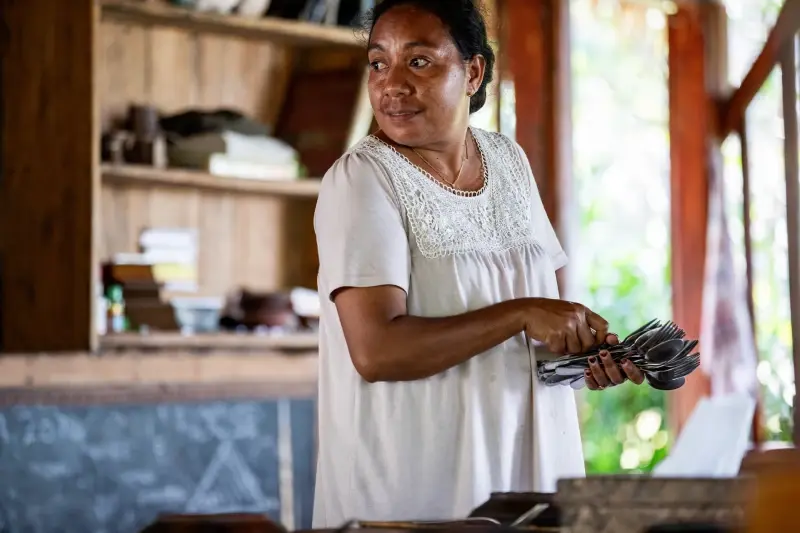
The land and boat crew come from Kepa island and Alor Kecil, several of them since the place opened. Kepa is a living community first and a place to stay second, which is worth knowing before you walk anywhere on it.
Getting to Kepa
Fly to Kupang in West Timor from Jakarta or Bali, then take the morning flight to Mali airport near Kalabahi. Coming from Bali you will normally need a night in Kupang. From Mali it is about 45 minutes by road to Alor Kecil, IDR 250,000 by taxi, then a five-minute crossing by local boat at IDR 20,000 a head. There is also a ferry from Kupang, six to eight hours, three sailings a week.
Schedules in eastern Indonesia move. Build in a buffer, especially before an international connection home, and let us handle the transfers and the timing.
Best time to go
Diving runs all year. The strait is calmest and clearest from around April to November. Cold upwellings, which are what bring the hammerheads and the mola mola, are more likely from July through October, and they can drop the water to 20C on some sites. September and October are the still months, when the natural ventilation the island relies on takes a break.
Book La P’tite Kepa with us
We put our own guests here. It sits in the itinerary alongside Alor land time, and it works either as a week of its own or as one leg of a longer trip through eastern Indonesia.
Tell us your dates and how many dives you want, and we will come back with a quote, the transfers and the flights that actually connect.
Info & Booking Request
Any question, special request or custom itinerary, we reply within 24hrs.