Togean Islands
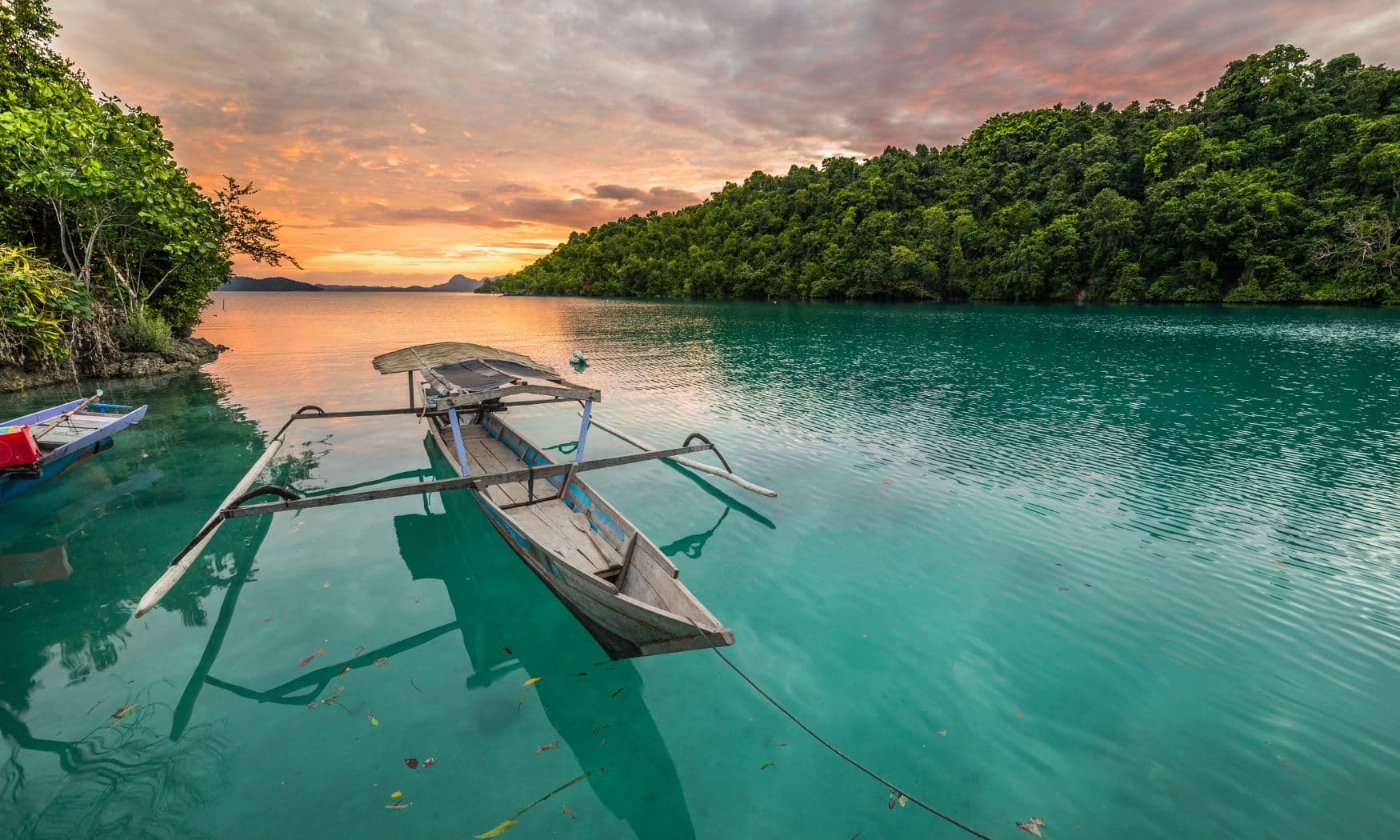
The Togean Islands are a chain of forested islands in the Gulf of Tomini, Central Sulawesi. People come for the water bungalows, the Bajau villages on stilts over the reef and the calm, sheltered diving. Getting here from Bali takes about a day and a half, which is why it stays quiet.
Most people come for the diving and leave talking about everything else: the boat ride out, the stilt village, the evenings with no phone signal. This guide covers what the islands are like, how to get there, when to go and how we fit them into a Sulawesi trip.
An archipelago in the Gulf of Tomini
The Togeans, also spelled Togian, lie in the middle of the Gulf of Tomini, the large, sheltered bay that almost splits Sulawesi in two. There are 56 main islands and many more islets. The largest are Batudaka, Togean, Talatakoh, Waleakodi, Waleabahi and Malenge, and the volcanic island of Una-Una stands on its own to the north.
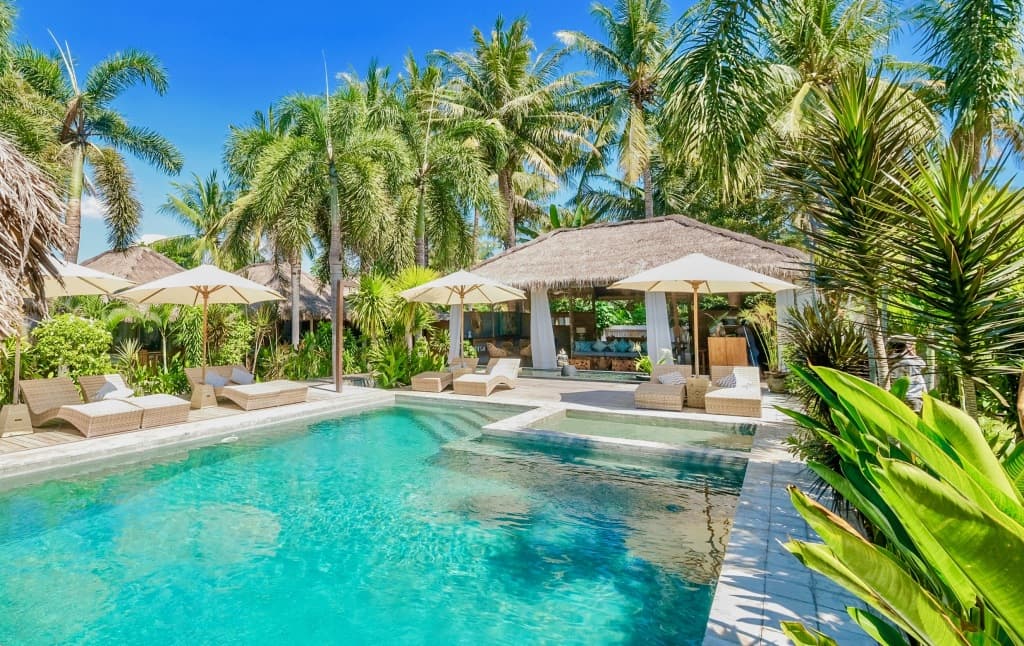
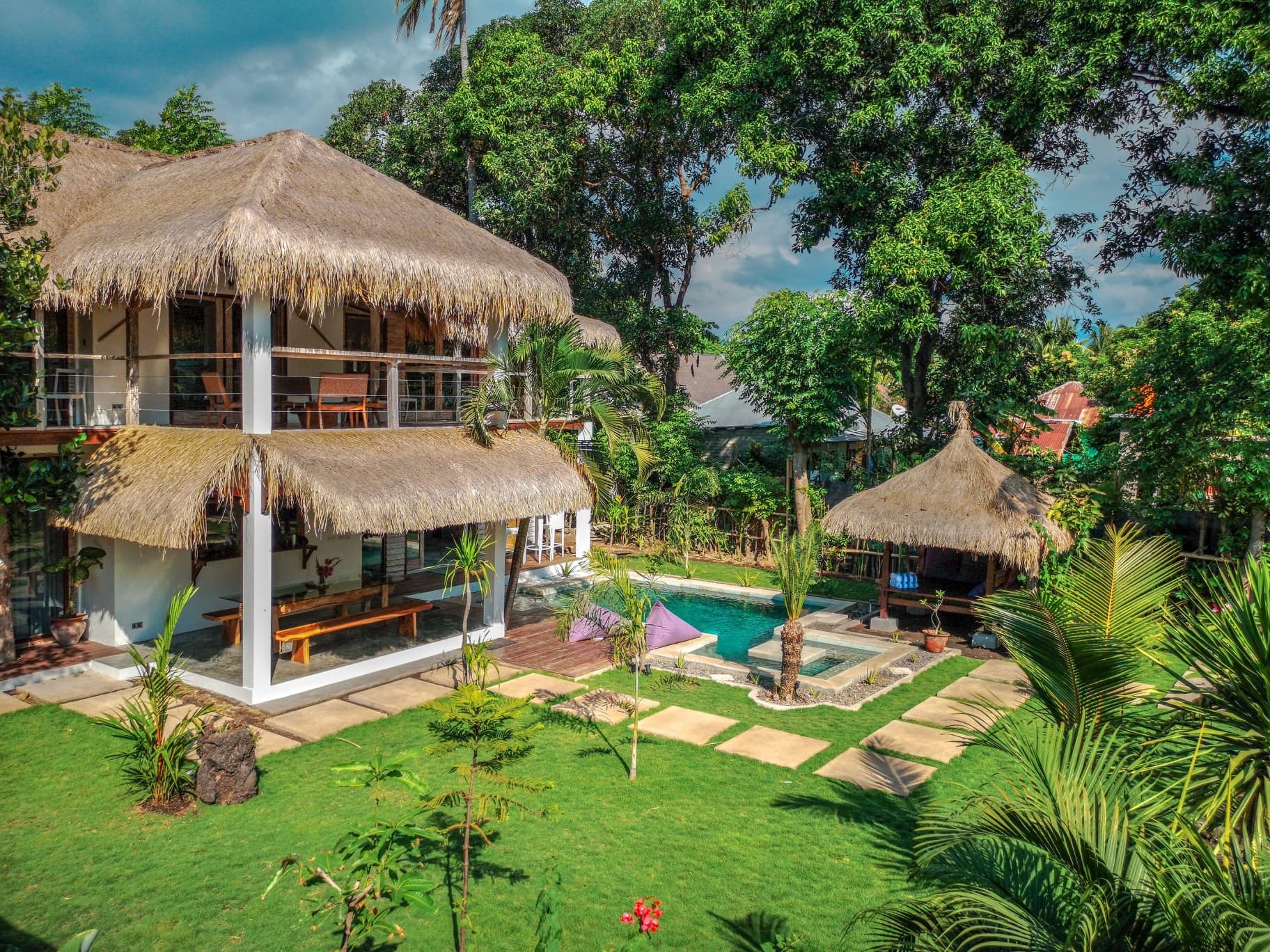
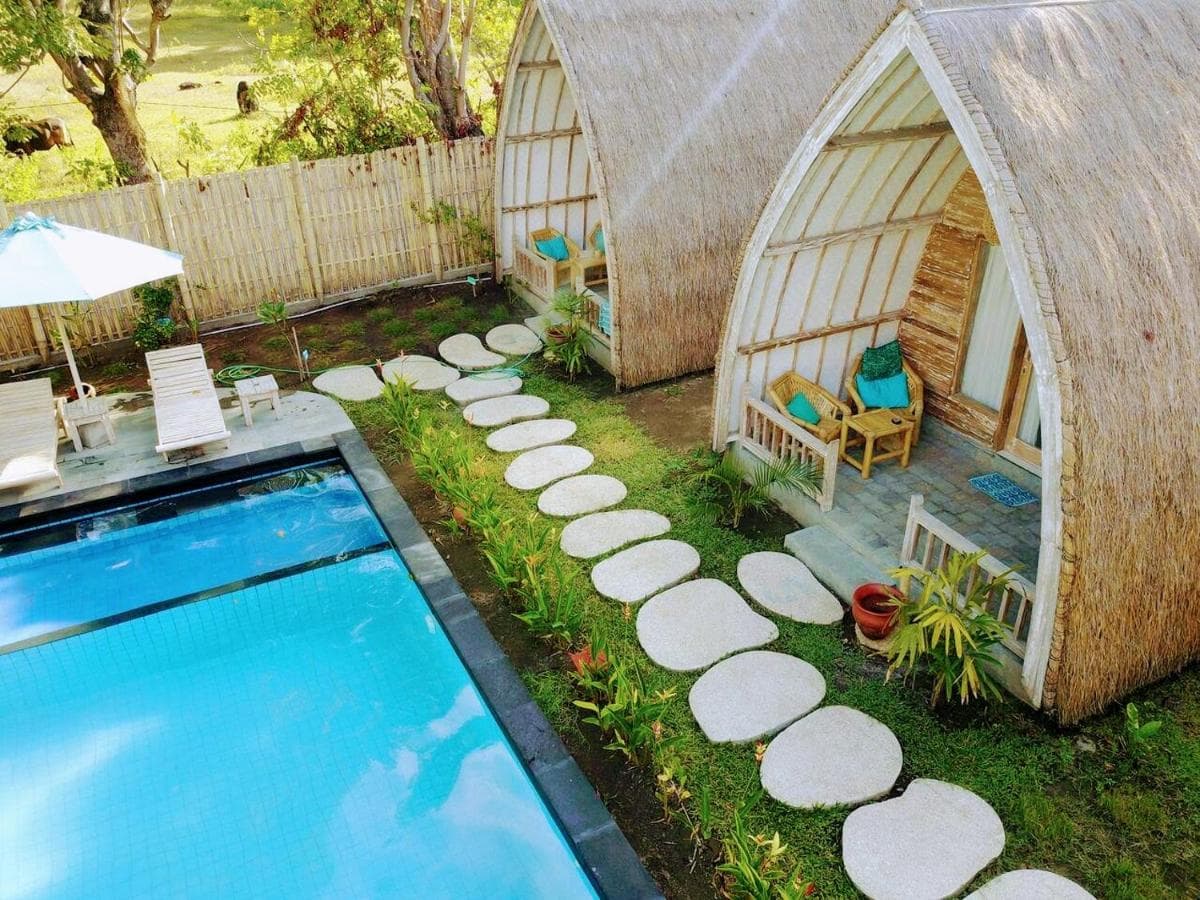
Accommodation is mostly simple beach bungalows and a few small resorts, such as Kadidiri Paradise Resort and Reconnect Resort on Buka Buka. Most have no road, and phone signal is patchy or absent. Days run slowly: snorkel off the deck before breakfast, kayak between islets, eat fresh fish, watch the sunset. The long journey keeps the numbers down.
We rarely sell the Togeans on their own. They are the quiet finish to a Sulawesi loop that starts with the highland culture of Toraja. Our 12 day Sulawesi tour through Toraja and the Togean Islands follows that route. The 18 day Sulawesi tour adds Bira and Lake Tempe before the islands.
The national park and its wildlife
The archipelago has been a national park since 2004. It covers about 362,000 hectares, more than nine tenths of it sea, and protects several types of reef in one small area: fringing reefs, barrier reefs, an atoll and patch reefs. That variety is why the snorkelling and diving are good.
On land, the forest holds animals found nowhere else. The Togean babirusa is an endangered wild pig with tusks that curve up through its snout. The Togean hawk-owl was only described by scientists in 2004. Both live nowhere else. The Tonkean macaque, a monkey of Central Sulawesi, lives here too. Hawksbill and green turtles feed on the reefs, and dugongs are sometimes seen over the seagrass beds.
You do not need to dive to see much of this. A lot is visible from a kayak, a boat trip through the mangroves or with a mask straight off the beach.
The Bajau, the sea nomads

A visit to a Bajau village is the cultural highlight of the Togeans. The Bajau, often called sea nomads, traditionally lived most of their lives on boats. Many now live in villages built on stilts over the reef, wooden houses joined by narrow walkways with the sea moving underneath.
Fishing is still the centre of daily life. You will see the boats, the drying racks and the routine of a community that lives from the water. Go with a guide who knows the village. We arrange these visits as part of the island stay so they happen on the village’s terms.
Things to do above the water

The Togeans are worth the trip even if you never dive.
- Visit the jellyfish lake. Mariona Lake, near Katupat, is a saltwater lake whose jellyfish evolved without predators and lost the strength of their sting, so you can swim among them. Their numbers fell sharply in 2024 and recovery is not confirmed, so ask us how it looks before you plan around it. Skip the sunscreen before you get in, it harms them.
- Snorkel from the beach. The gulf is sheltered, so many bungalows have a good house reef in front: coral gardens, turtles and reef fish with no boat needed.
- Kayak between islets and through mangroves. Calm water and short distances make the Togeans good for paddling, with sandbars and empty beaches to stop at.
- Walk on Una-Una. Its volcano, Colo, erupted in 1983 and the whole island was evacuated, without loss of life. People have since returned, and you can walk to the villages and through the regrown forest.
- Do nothing. A hammock, a book and the sunset. This is one of the few places where switching off is the plan.
Scuba diving in the Togeans

Diving is a big part of why people come. The gulf is sheltered, so conditions are usually calm with mild currents. That makes the Togeans a relaxed place to dive and a good fit for Open Water divers, while walls and pinnacles keep experienced divers interested. Within reach of the island bases you have coral gardens, walls, an atoll and a WWII wreck.
- Una-Una is the standout, with more than 30 sites of its own: slopes, walls, pinnacles and patches of muck. The coral is in excellent condition, with some very old, very large formations, and the island is known for big schools of barracuda in the blue.
- The B-24 bomber wreck, dived from the Kadidiri area, is an American WWII Liberator lying in roughly 15 to 22 metres of water. It is one of relatively few diveable bomber wrecks in the world.
- Pinnacles and walls around Kadidiri bring eagle rays, Napoleon wrasse, turtles and dense reef fish.
Surveys have recorded between about 600 and 800 reef fish species across the archipelago, depending on the survey, so even the house reefs stay busy.
Diving is from the island resorts, not liveaboards, so plan several days on the islands. If you want to learn or refresh your skills first, we run scuba courses in Sulawesi.
Getting there
There is no quick way in. The Togeans are reached by boat from the Sulawesi mainland, through one of two gateways.
- From Ampana, in the south. This is the usual route. From Bali, fly to Luwuk via Makassar, drive about five hours to Ampana and sleep there. Coming overland from Toraja or Palu also ends in Ampana. Two speedboats leave Ampana for Wakai every morning and take about an hour and a half, stopping at Bomba on request. Slower public boats run on set days.
- From Gorontalo, in the north. Gorontalo has flights from Makassar, Manado and Jakarta. The KMP Tuna Tomini ferry crosses the gulf to Wakai overnight, about 12 hours. Since mid-2026 it has sailed only about once a week, so check the date before you build a trip around it. This route makes sense if you are coming from Manado or Bunaken.
Timetables are thin and change with the season and the weather, so always build in a buffer day at each end. A missed boat here costs a day or two, not an hour. We plan the flights, road legs, boats and island stay together so the trip works.
How long to stay
You want at least three to four nights on the islands, and most people wish they had stayed longer. With the travel in and out, the Togeans take most of a week. That is why we pair them with the mainland. The route runs through Toraja, with its funeral ceremonies, cliff graves and tongkonan houses, sometimes via Bira and Lake Tempe. The Togeans come at the end.
Best time to visit
The gulf is sheltered, so the Togeans work most of the year. The calmest, driest months, roughly April to November, are the best for diving, snorkelling and boat crossings. December to March brings more rain and rougher crossings, which affects the ferries more than the islands. The water is warm all year.
Whenever you go, plan around the boat timetables first. They decide the itinerary more than the season does.
Frequently asked questions
At least three to four nights on the islands, and more if you can. With the travel in and out, the Togeans take most of a week, so we usually combine them with Toraja on a longer Sulawesi trip.
Fly from Bali to Luwuk via Makassar, drive about five hours to Ampana, sleep there and take the morning speedboat to Wakai, about an hour and a half. Allow a day and a half each way. The alternative is a flight to Gorontalo and the overnight ferry to Wakai, which now sails about once a week.
Snorkel from the beach, visit the jellyfish lake, kayak through mangroves, visit a Bajau stilt village and walk the regrown forest on Una-Una. The islands work well for non-divers.
April to November is the calmest and driest period, best for diving, snorkelling and the boat crossings. The sheltered gulf keeps the islands diveable most of the year, but the wetter months can mean rougher ferries.
Yes, in Mariona Lake near Katupat. The jellyfish lost most of their sting after centuries without predators, so it is safe to swim with them. Their numbers dropped sharply in 2024 and recovery is not confirmed, so ask us for the latest before you go.
Yes. They pack coral gardens, walls, pinnacles, an atoll and a WWII B-24 bomber wreck into one sheltered area, with about 600 to 800 reef fish species recorded across the archipelago. Una-Una alone has more than 30 sites and is known for its barracuda schools.
Mostly, yes. The water is usually calm with mild currents, which suits Open Water divers, and you can do a course in Sulawesi before you go.
Travellers who want to disconnect: divers, snorkellers and anyone happy with simple bungalows and no signal. They suit couples, families and independent travellers who value quiet. They do not suit anyone who wants nightlife, luxury or a fast pace.
Your adventure starts here
Plan your trip to Togean Islands
Tell us what you want to see and we'll craft the perfect itinerary, usually within 24 hours.
Plan My Trip →Enquire About This Destination
Any question, special request or custom itinerary, we reply within 24hrs.