When divers ask us “Raja Ampat or Komodo?”, they’re usually wrestling with a deeper question: What kind of underwater memory do I want to take home?
Both destinations are world-class. We run trips to both regularly, and honestly, every trip teaches us something new. But they deliver fundamentally different experiences, and if you choose wrong, you can spend thousands on a trip that just doesn’t match what you actually came for.
Here’s what we’ve learned from years of running liveaboards and land-based trips to both: Raja Ampat is the biodiversity symphony. Komodo is the big animal arena. Both shine on liveaboards, but Komodo is way more accessible if you want to stay on land and day trip instead.
The Quick Comparison
| Raja Ampat | Komodo | |
|---|---|---|
| Marine life character | Endless variety – macro, reef fish, occasional big animals | Mix of mantas, sharks, and hunting predators – constant action |
| Best for | Photographers, naturalists, variety seekers | Adrenaline divers, big animal hunters, action seekers |
| Year-round diving | Yes, some areas always accessible | Yes, April–November is best overall |
| Best way to dive | Liveaboard (7–12 days) | Liveaboard or land-based day trips |
| Typical base | Resort, guesthouse or liveaboard | Labuan Bajo or liveaboard |
Raja Ampat: The Biodiversity Powerhouse
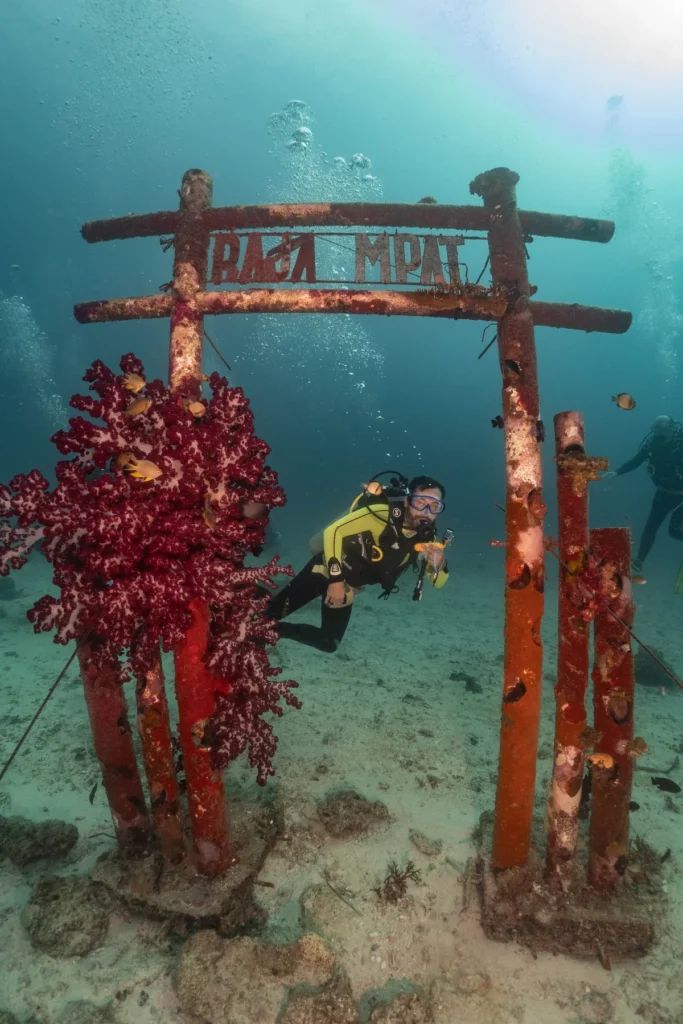
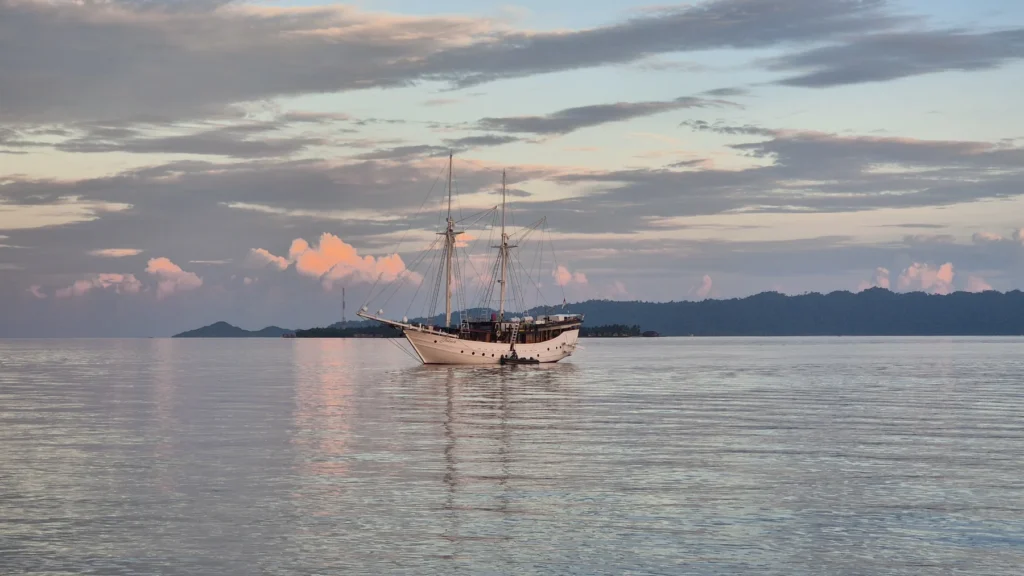
Raja Ampat is often called the epicenter of marine biodiversity, and that is not marketing speak. It is literally the richest reef system on the planet, with over 1,500 fish species and 600 coral species packed into an area the size of a small island cluster.
What you’ll actually see and feel
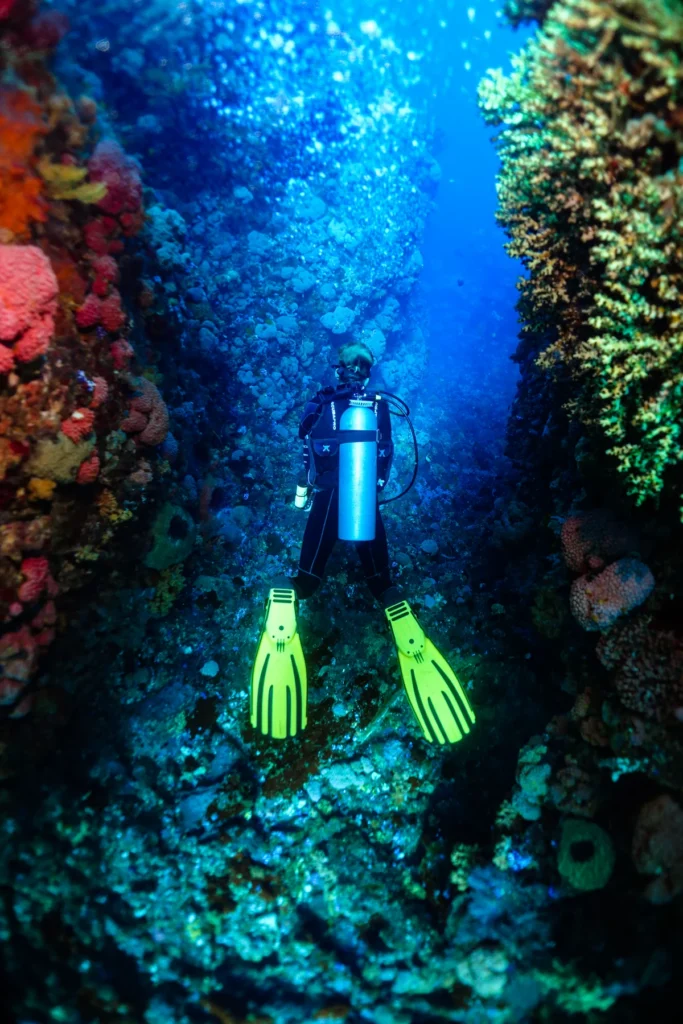
We’ve found that the thing that always surprises our clients is how much happens on every single dive. You could dive 20 different sites in a week and each one feels completely new. Coral gardens one day, blue water walls the next, sheltered lagoons where cleaning stations are packed with fish.
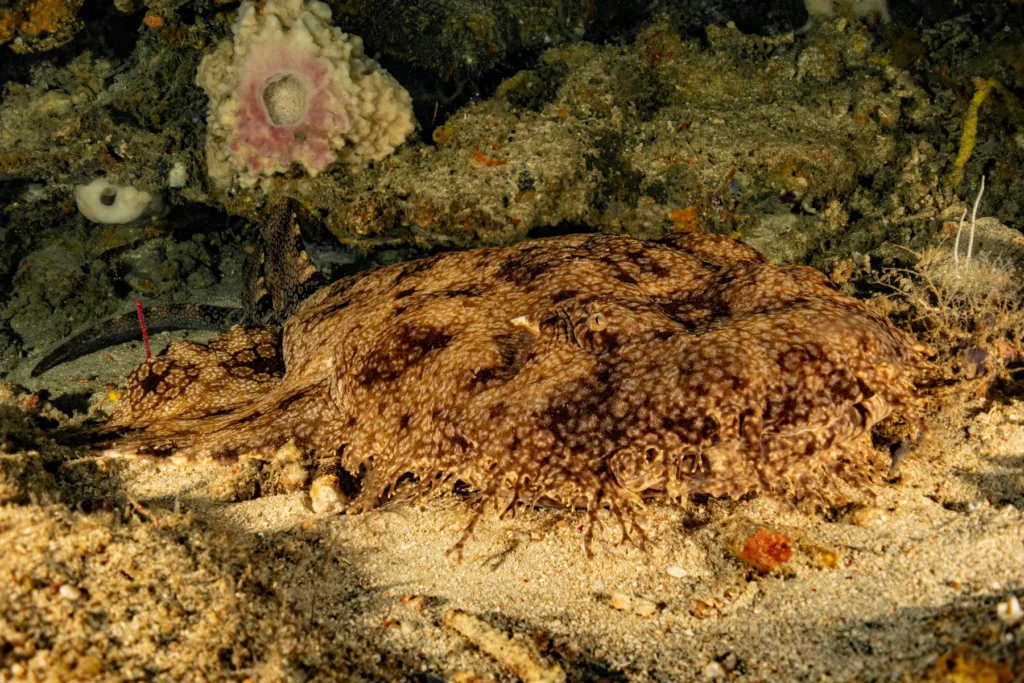
The macro life keeps our photographer clients obsessed. Pygmy seahorses, nudibranchs, mantis shrimp, frogfish: creatures you’ve never heard of and didn’t know existed. We regularly have divers spend 40 minutes on just 2 square meters of reef taking photos. That’s the Raja Ampat effect. And if you’re really lucky, you might encounter something truly rare, like a wobbegong shark or even a walking shark. We’ve got a deeper dive on wobbegongs here.
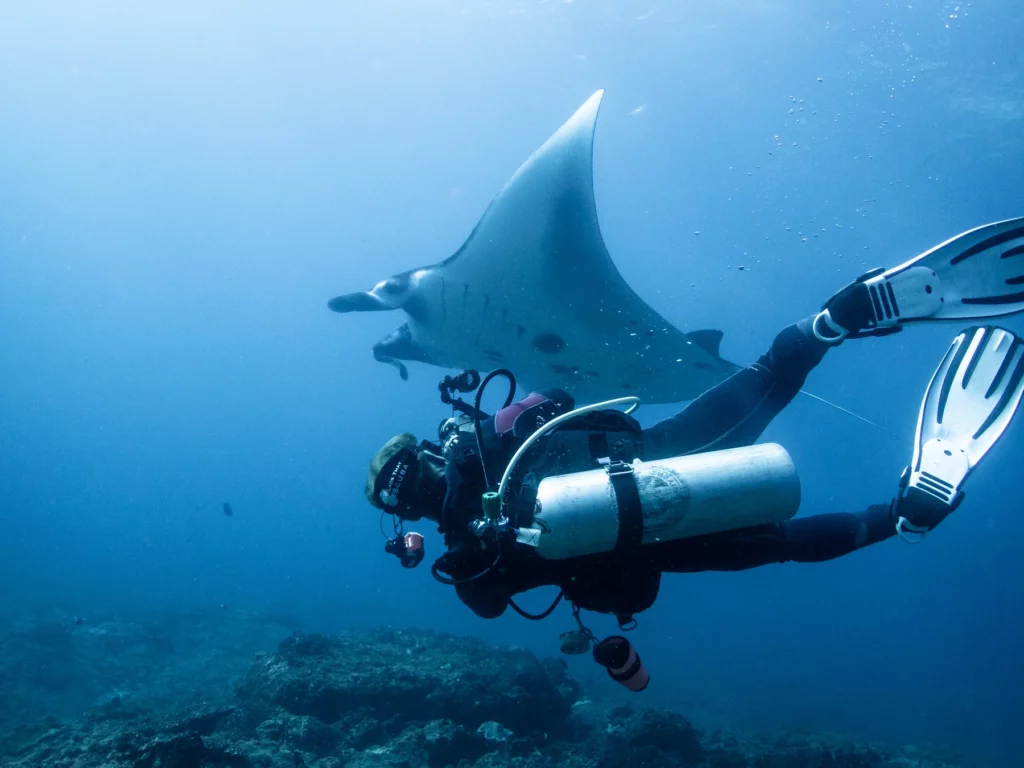
Big animals happen too, but they’re the bonus. You might see mantas, reef sharks, schooling tuna. But the trip doesn’t rest on it.
Who Raja Ampat suits
- Underwater photographers and naturalists: the variety and macro work is endless
- Divers who’ve done the Caribbean or Red Sea and want to see something genuinely different
- Couples wanting richness over drama, or groups with mixed divers and snorkelers
About the seasons
Raja Ampat dives year-round, but the season matters for where you can go, not whether you can dive. May–September brings stronger winds, so southern and remote sites like Misool become inaccessible, but central and northern sites (Wayag, Cape Kri) stay excellent. October–April everything opens up. Best months for the full experience: October, November, March, April.
Land-based or liveaboard
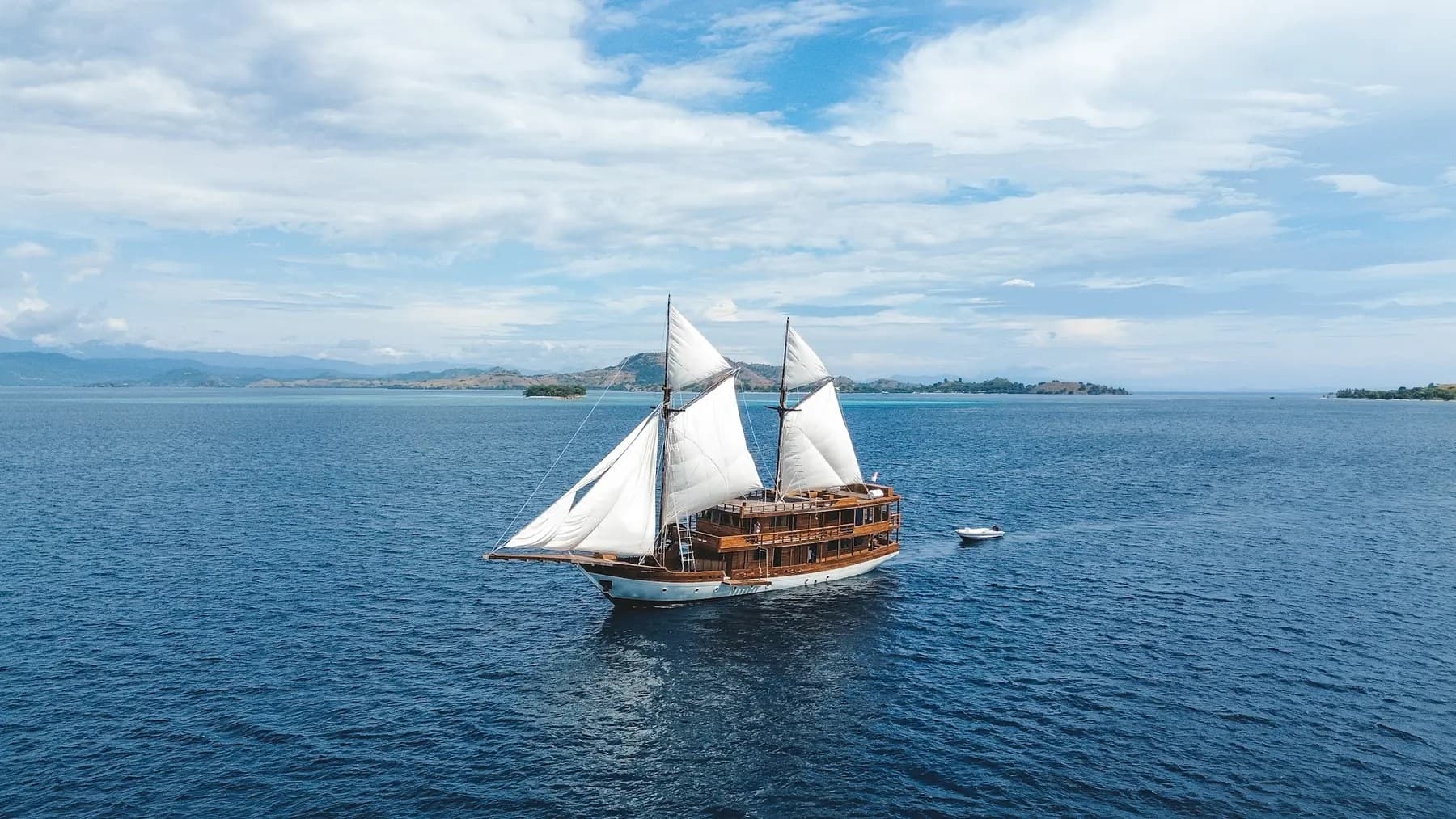
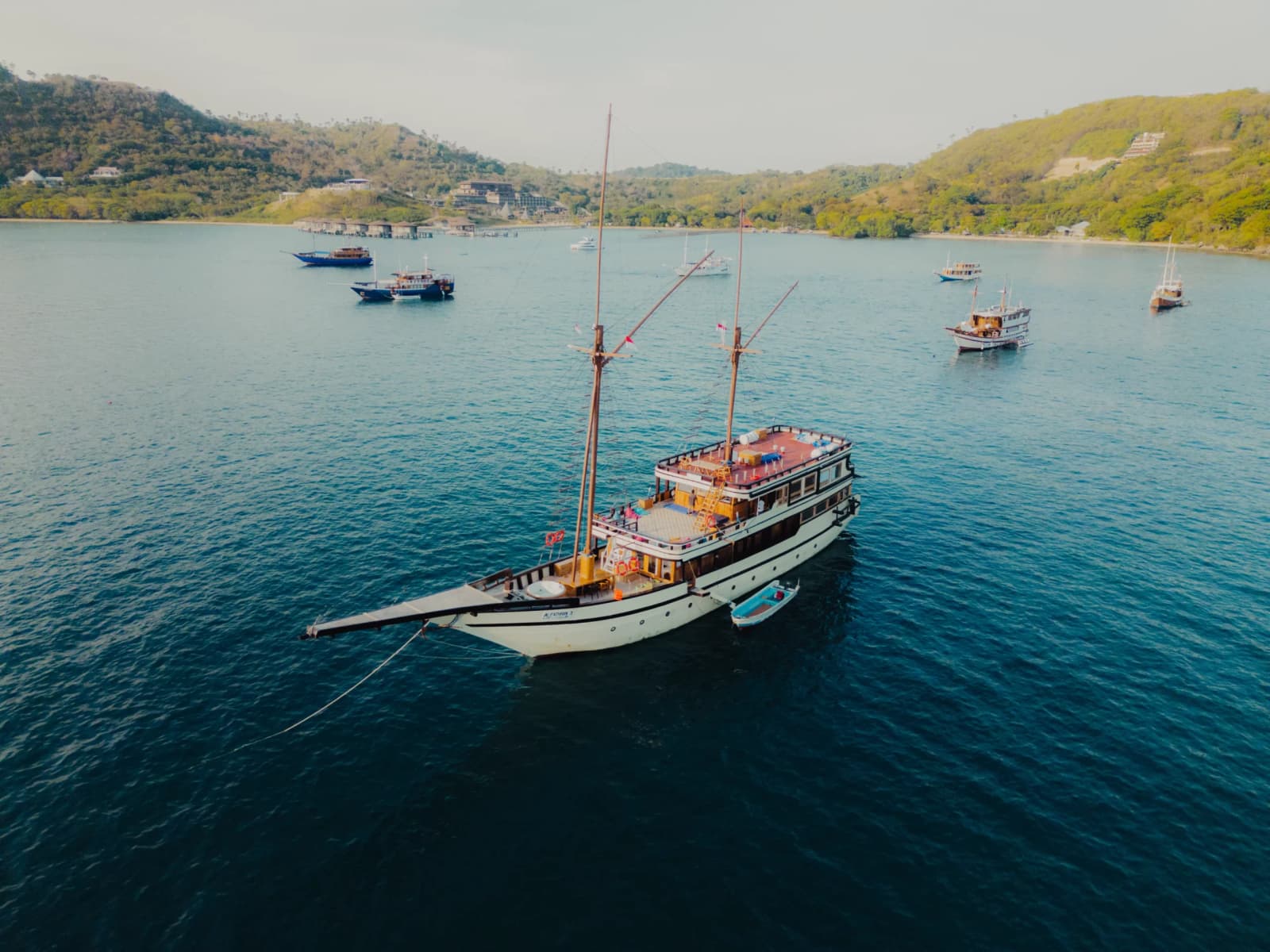
We have land-based options out of Sorong, but the best Raja Ampat lives on liveaboards. We’ve got a detailed breakdown on Raja Ampat land-based vs liveaboard, but the short answer is: liveaboard is what Raja Ampat was designed for.
Komodo: The Big Animal Arena
Komodo is where we send divers who want action. The currents are real, the big animals show up consistently, and there’s this energy where you feel like something is always happening.
What you’ll actually see and feel
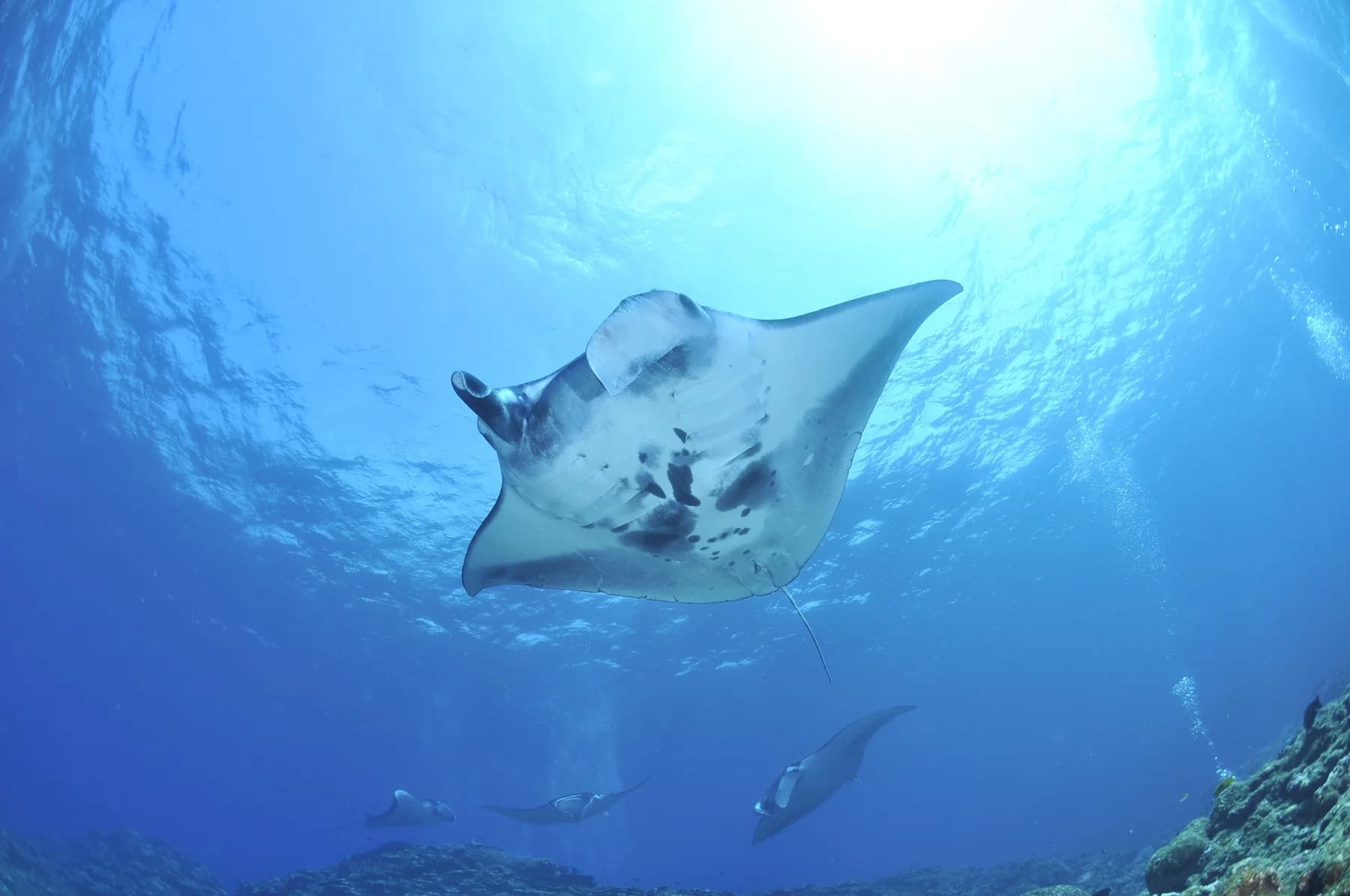
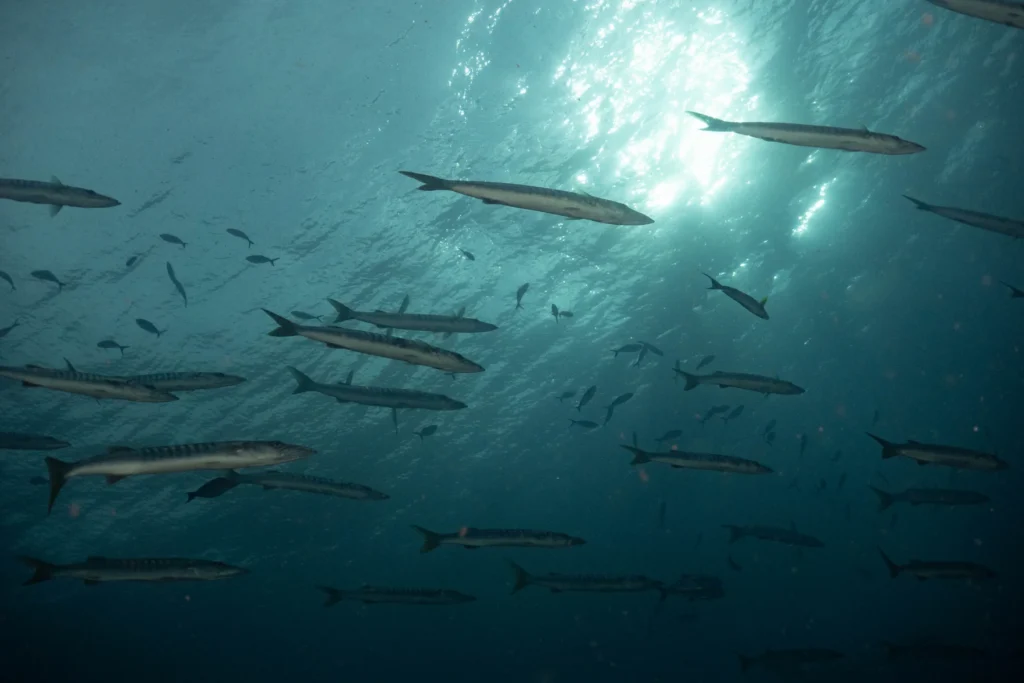
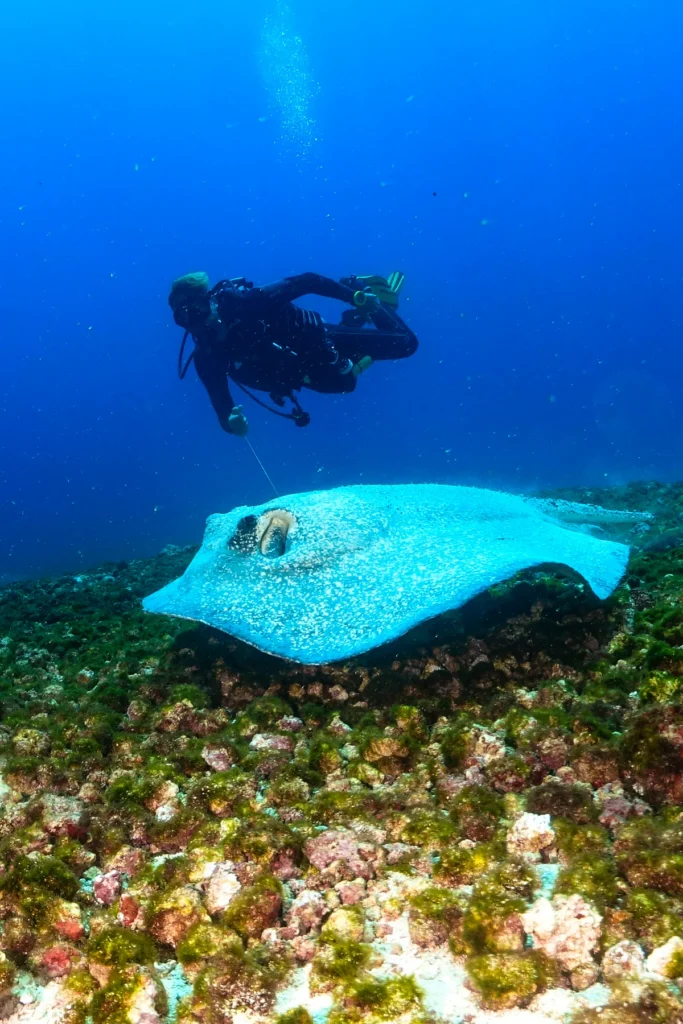
Mantas show up regularly and they’re a real draw. But Komodo isn’t just about mantas. What makes it special is the overall hunting ecosystem. You’ll see sharks: whitetips, blacktips, grey reef sharks cruising. You’ll watch large schools of fish getting hunted by trevallies, jacks, and barracudas. There’s this predator-prey dynamic that feels wild and alive.
The currents are a feature, not a bug. Komodo’s tidal flows and upwellings create a high-energy diving experience: athletic, tense, rewarding. You’re moving, the reef is moving, the animals are feeding.
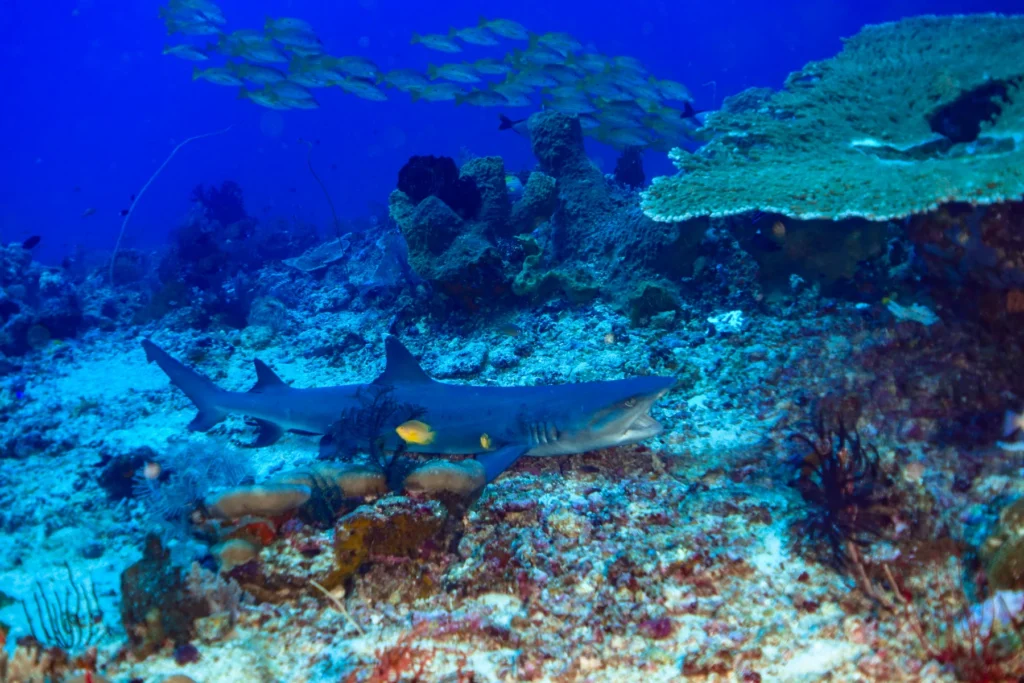
Who Komodo suits
- Adrenaline seekers with real diving experience who want energy and action
- Big animal hunters chasing that cinematic encounter
- Divers short on time: a serious 3–5 day Komodo experience is very achievable
- Anyone who wants a real bed and restaurants: base in Labuan Bajo and day trip
About the seasons
April–November is the best overall season: stable conditions, clear water, active marine life. December–March sees rougher conditions and fewer boats. Best months: April, May, September, October, November.
The Real Choice: What Actually Matters
Are you after variety and discovery, or constant action and intensity?
If you light up talking about finding something new or a behavior you’ve never seen, Raja Ampat is your answer. You’ll collect a hundred small moments instead of chasing one big thing. If you live for the energy and unpredictability, Komodo is it.
Do you need to stay on land, or can you commit to a boat?
Both are better on liveaboards. But Komodo lets you hedge: stay in Labuan Bajo, day trip, still get a serious Komodo experience. Raja Ampat requires actual liveaboard commitment to see the best of it.
What’s your timeline?
Raja Ampat needs time, 7 days minimum. Komodo works in 3–5 days. Fitting a dive trip into a 2-week Bali holiday? Komodo is more realistic.
Ready to Dive?
Check out our land-based and liveaboard options for Komodo and Raja Ampat. Or browse the scheduled departures with live places: Komodo dive liveaboards and Raja Ampat dive liveaboards.
Komodo
Scuba diving liveaboard Komodo
Scuba diving day trip Komodo
Raja Ampat
Scuba diving liveaboard Raja Ampat
Scuba diving safari Raja Ampat
Also check out our liveaboard deals section for special offers and departures.
If You Still Can’t Decide
Do both, over two trips rather than one. Go to Raja Ampat first. Let the abundance blow your mind. Go to Komodo the next year when you’re ready for intensity. If you can only do one, reach out to us and tell us what you’re looking for and we’ll match you to the right destination.
The Bottom Line
Raja Ampat rewards curiosity. Komodo rewards adrenaline. Both are extraordinary. Neither is objectively better. It depends entirely on who you are as a diver and what you want the ocean to teach you this time.