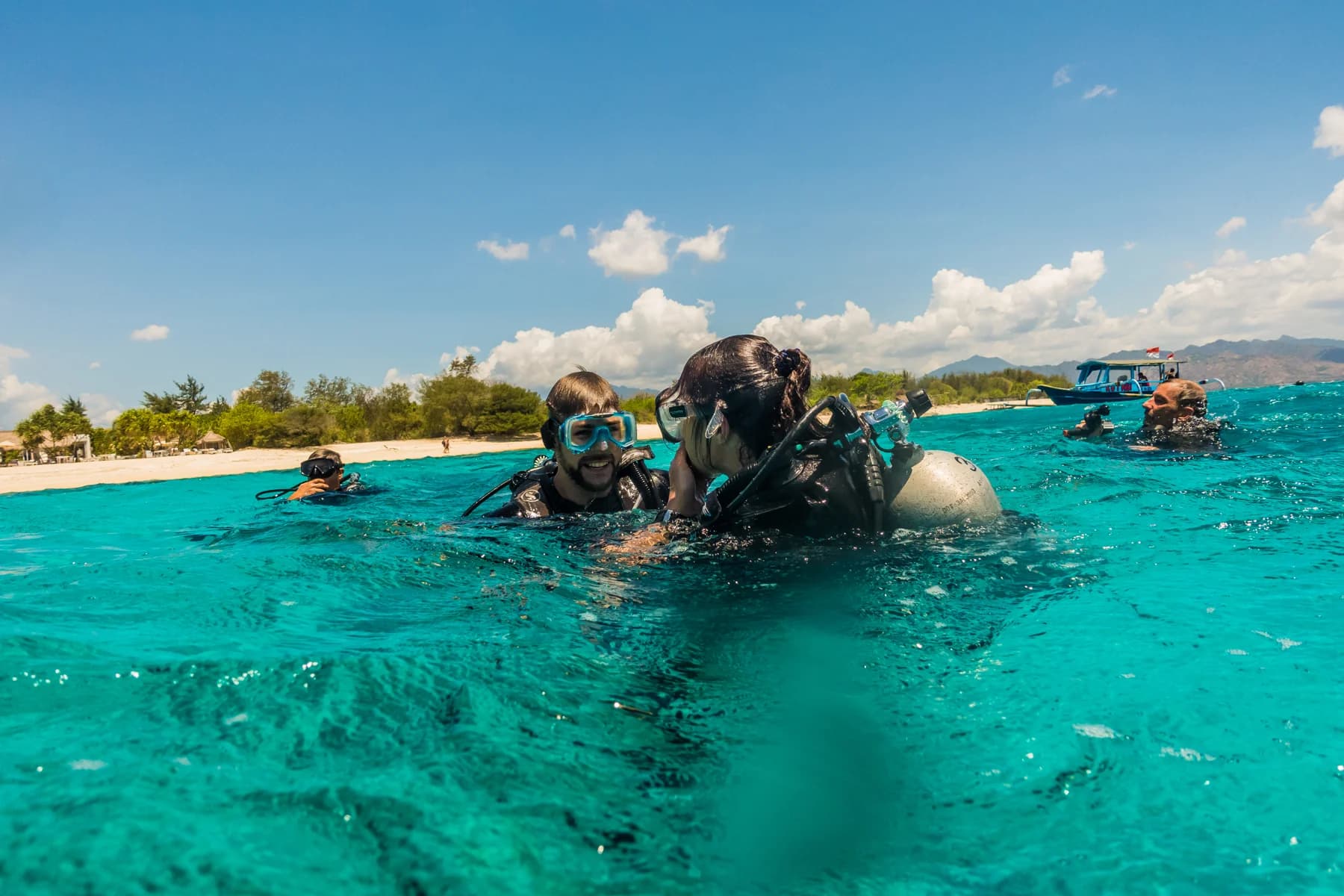
We don’t just visit these places. We help protect them.
Every year on June 8, the United Nations marks World Ocean Day to remind us that the ocean isn’t a backdrop to our lives. It’s the system that makes life possible. It generates oxygen. It regulates climate. It feeds billions of people. At Ocean Earth Travels, we’ve committed to supporting conservation in the places we visit. That starts with understanding Indonesia’s marine protected areas.
These zones – from Komodo to Raja Ampat to Derawan – aren’t symbolic gestures. They’re real ocean areas where fishing is restricted, rangers patrol regularly, and reefs are recovering. And as divers and travelers, we get to witness that recovery underwater.

What is a Marine Protected Area?
An MPA is an ocean zone where human activities are managed or restricted to protect marine ecosystems. The rules vary. Some ban all fishing. Others allow sustainable practices but prohibit destructive methods like dynamite or cyanide. Indonesia manages more than 28 million hectares of these zones, one of the largest systems on Earth.
They work because three things align: enforced boundaries, community involvement, and tourism revenue that gives local people a reason to protect rather than extract. When those three things work together, the results are measurable. Fish populations recover. Coral spreads. Reefs become resilient. That’s not theory. That’s what we see in the water.
Komodo National Park: Two Decades of Recovery
Komodo once had reefs stripped bare by dynamite fishing. In 2000, the park established its reserve and hired rangers to patrol regularly. Today, fishing is banned inside, and dive operators follow strict protocols.
The marine zone covers 1,733 square kilometers and holds 385 coral species and more than 1,000 fish species. Strong currents funnel nutrient-rich water through the channels, but it’s the protection that allows those fish to thrive. At sites like Crystal Rock and Batu Bolong, the water fills with trevally, jacks, and reef sharks when the tide runs.


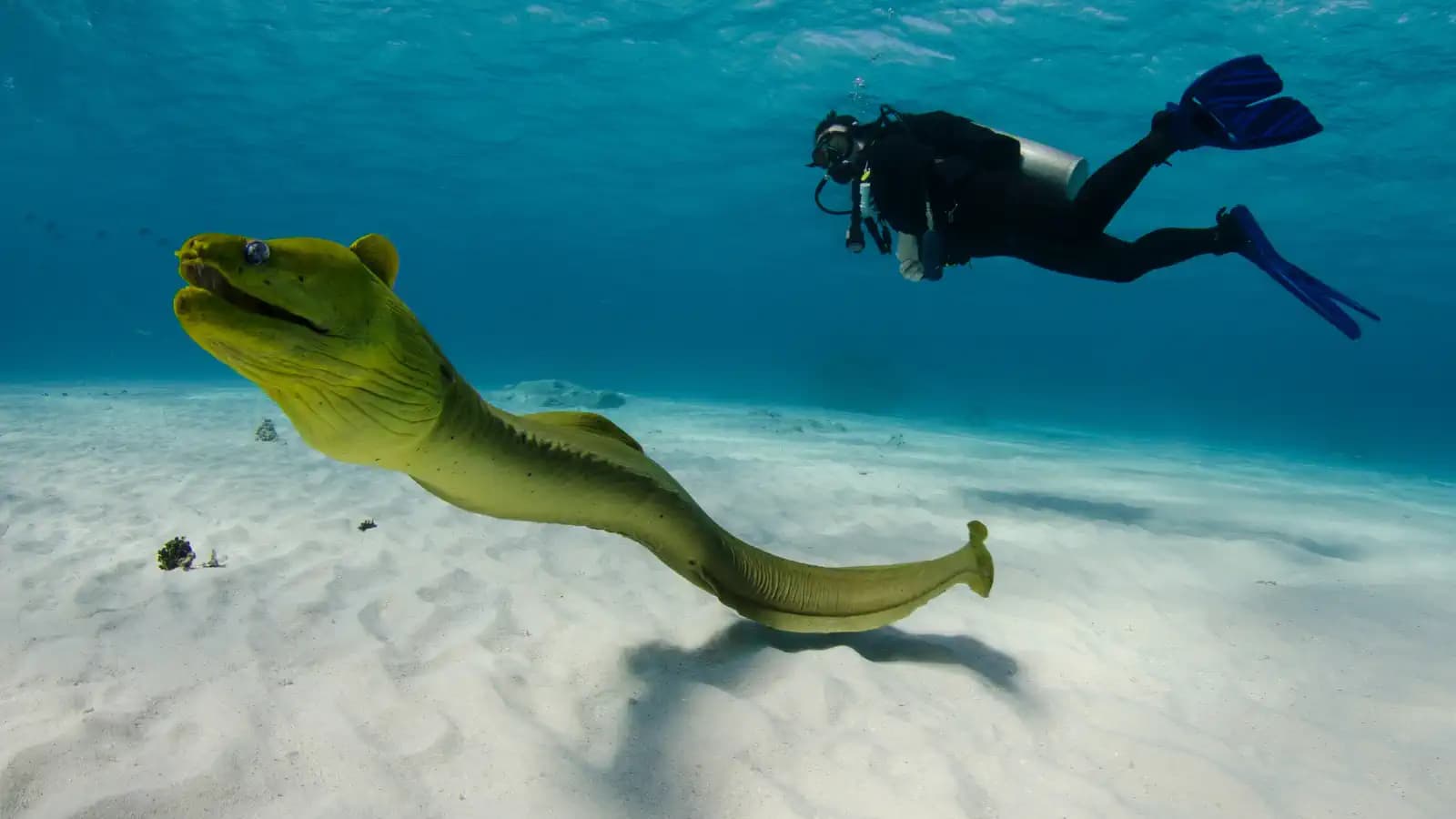
Whitetip reef sharks rest on the sand at Tatawa Kecil. Grey reef sharks patrol the channel at Manta Point. Manta rays live here year-round. These are the animals that return when you stop hunting them.
Entrance fees fund the ranger patrols that make this recovery possible. When you pay, you’re supporting the patrols that keep illegal fishing boats out. Explore Komodo through our diving and liveaboard trips.
Raja Ampat: Biodiversity at Scale
Raja Ampat sits at the center of the Coral Triangle and holds the highest marine biodiversity ever recorded in a single region. More than 1,800 reef fish species. Over 550 coral species. About 30 percent of the world’s coral reefs concentrated in one area.
The Raja Ampat network covers 4.5 million hectares. Conservation groups, researchers, and local communities established it together in the mid-2000s, mapping reefs and setting boundaries as a team. No-take zones protect critical spawning grounds. Visitor fees fund the local rangers who patrol by boat.


What makes this region stand out is how deeply the local communities protect it. The Papuan village network has a direct stake in healthy reefs because dive tourism is their main income. When poachers show up, locals report them. That buy-in is what conservation scientists identify as the single most important factor in whether a marine protected area actually works. Dive Raja Ampat with operators committed to these principles.
Derawan Islands: Protecting Connected Ecosystems
The Derawan Islands in East Borneo are one of Indonesia’s most important sea turtle nesting habitats. Green turtles and hawksbill turtles nest here regularly. The island of Sangalaki holds one of the highest documented manta ray densities in the world.


Derawan’s approach differs from most zones. Rather than protecting just the reef, the ecosystem depends on mangrove forests, seagrass beds, and coral reefs working as one system. Juvenile fish shelter in mangroves. Turtles feed on seagrass. Adults move to the reef. Protect only one part and the whole system weakens. Derawan’s zone covers all three. That’s ecosystem thinking. Visit Derawan to see this integrated protection in action.
Wakatobi: Coral Resilience in a Warming Ocean
Wakatobi covers 1.39 million hectares in Southeast Sulawesi and holds more than 940 coral species. The name is an acronym of the four main islands: Wangi-Wangi, Kaledupa, Tomia, and Binongko.
Coral biologists have worked in these waters for decades, building a detailed baseline of reef health. Wakatobi’s reefs show signs of thermal tolerance that other reef systems lack. Some corals here survive bleaching events that wipe out reefs elsewhere in the Indo-Pacific. Understanding why matters. These corals might hold keys to how reefs survive climate change.


For divers, the park delivers healthy hard corals down to depth and dense reef fish populations. Liveaboards run dedicated itineraries, letting you explore multiple sites across the four islands in a single trip. See Wakatobi’s coral diversity firsthand.
Saleh Bay: Ocean Science Becomes Law
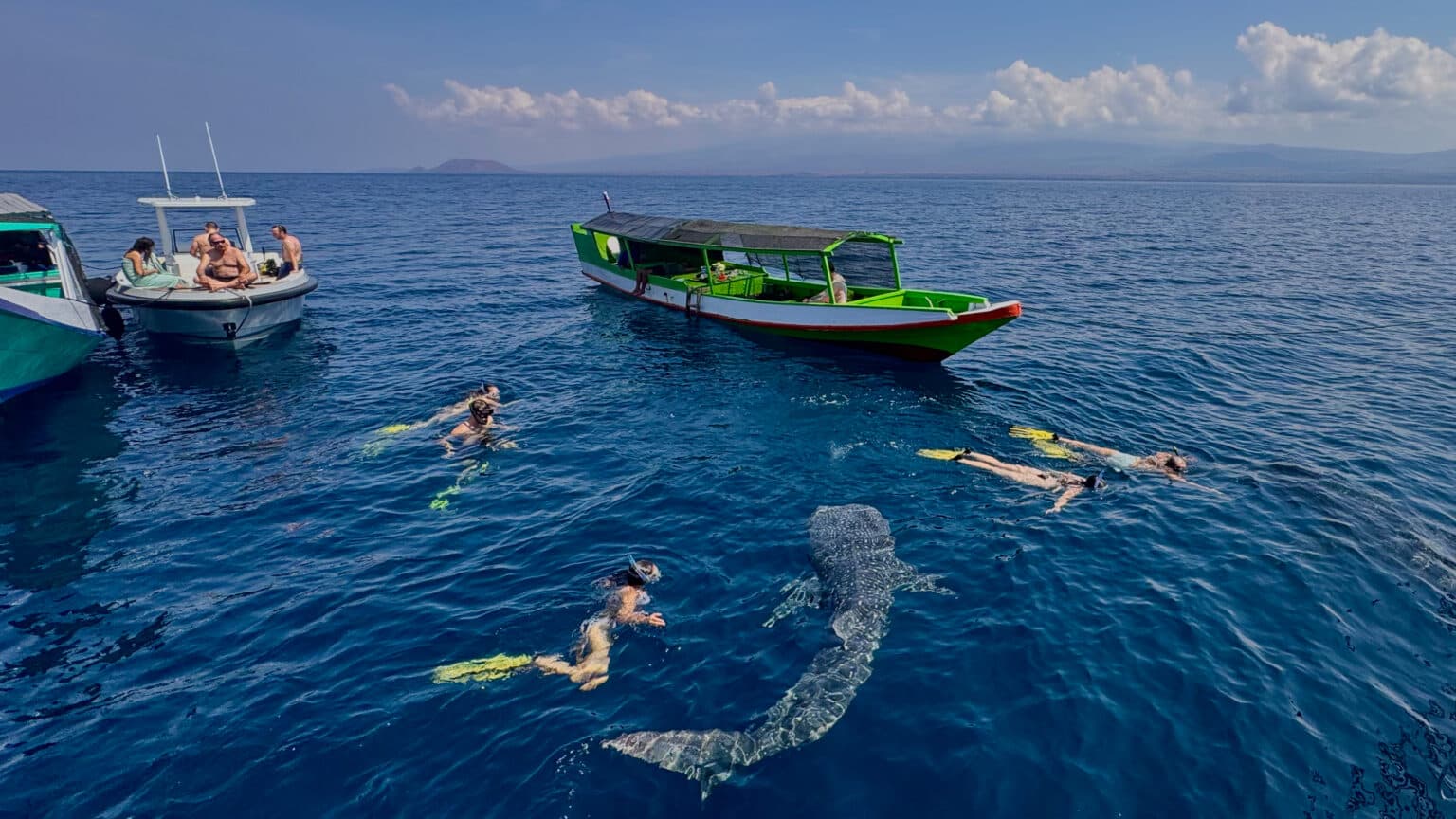
In May 2026, the West Nusa Tenggara provincial government designated Saleh Bay in Sumbawa as a conservation zone. This is how ocean protection works in practice: a decade-long whale shark tracking study by Konservasi Indonesia documented the bay as one of the country’s most significant whale shark aggregation sites. The data became policy.


Indonesian law has fully protected whale sharks since 2013. Saleh Bay holds the highest concentrations in the country. The bay supports more than 560 coral species and the mangrove and plankton systems that attract the sharks. The new zoning includes no-take areas around key nursery habitats and juvenile whale shark territory. Encounter whale sharks while supporting conservation efforts.
Why This Matters for World Ocean Day
These five zones prove something important: ocean protection works. Fish recover. Reefs spread. Species thrive. But it only works because three things align: enforcement, community involvement, and economic incentive.
As travelers and divers, we provide that economic incentive. When we pay entrance fees, choose certified operators, and dive responsibly, we’re funding the rangers and supporting the local communities that protect these reefs. That’s not virtue signaling. That’s how conservation actually happens.


How to Dive Responsibly Inside a Marine Protected Area
If you want to participate in ocean protection, here’s what that looks like:
Choose certified operators. Work with dive shops that follow zone protocols, brief divers on buoyancy before entering the water, and limit group sizes.
Pay the entrance fees. Every rupiah goes toward enforcement, ranger salaries, and reef monitoring. Komodo, Raja Ampat, and Wakatobi all require entrance fees. They are not optional.
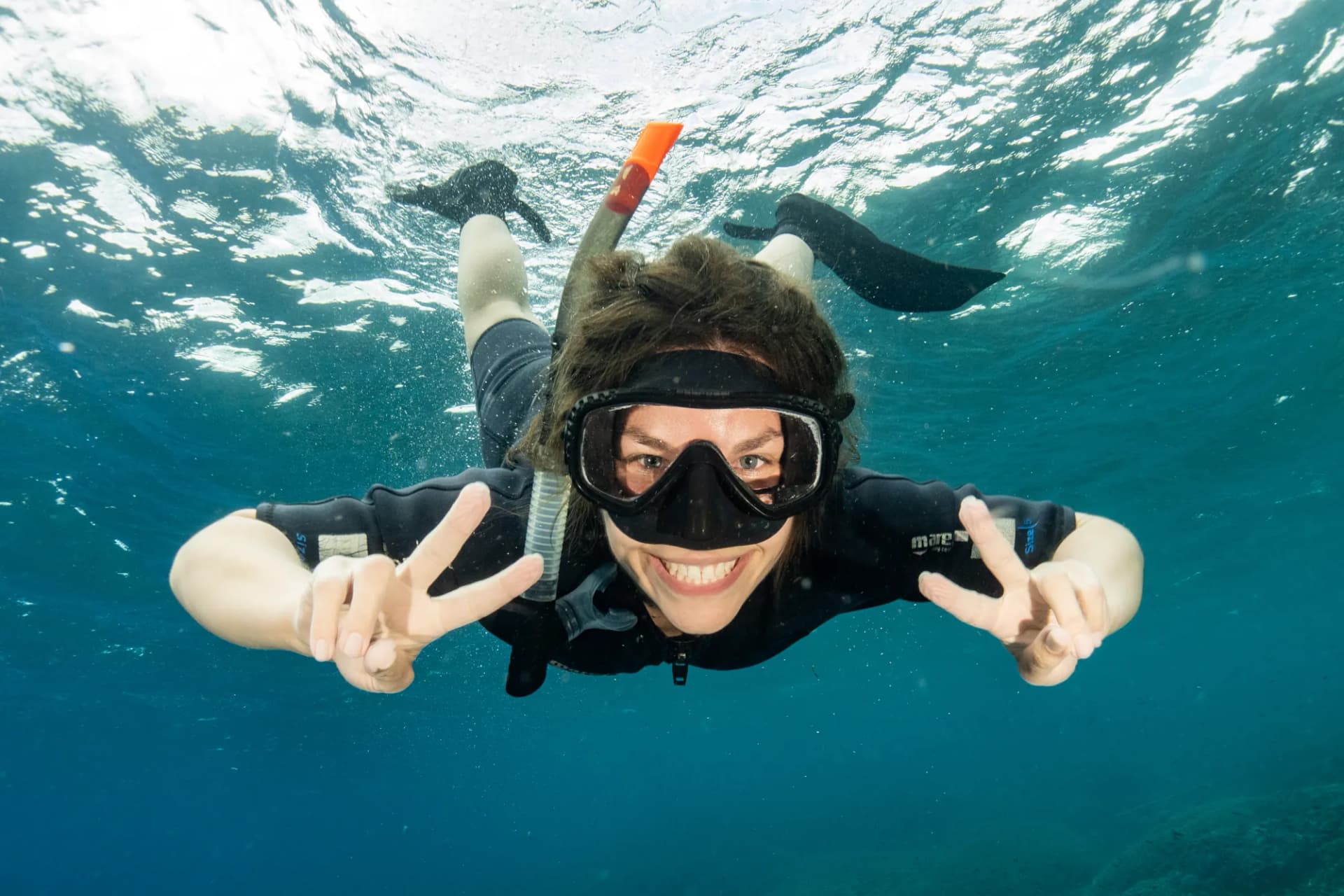
Maintain neutral buoyancy. A fin kick that clips coral breaks 10 to 20 years of growth. If you’re not confident in the water, take a refresher before diving these sites.
Never touch or feed marine animals. Feeding fish disrupts their diet and behavior. Touching turtles, sharks, or mantas stresses them and introduces bacteria they have no defense against.
Report illegal fishing. If you spot fishing inside a zone boundary, tell your guide immediately. They know who to contact.
Ready to be part of ocean protection? Book a trip to one of Indonesia’s marine protected areas with Ocean Earth Travels and see marine conservation in action.