Dive into the crystal-clear waters of Indonesia and you might just encounter one of the ocean’s most fascinating creatures – the hawksbill turtle. These magnificent sea turtles are not only a joy to observe, but also play a crucial role in maintaining the health of our coral reefs.
The Distinctive Hawksbill: Nature’s Living Artwork
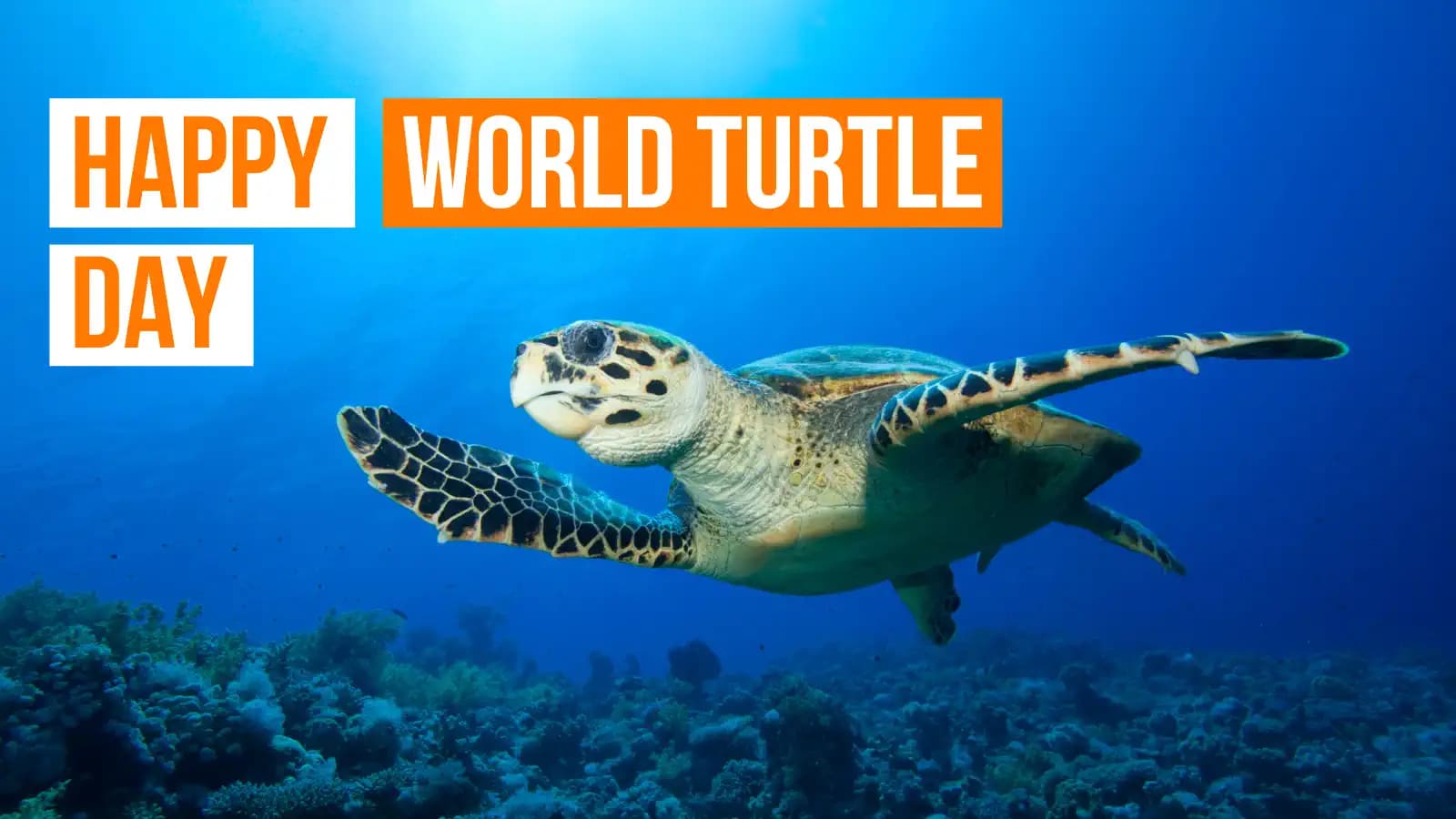
The hawksbill turtle gets its name from its distinctive beak-like mouth, which resembles a hawk’s bill. This unique feature sets them apart from other sea turtle species and makes them easily recognizable to divers and snorkelers.
One of the most striking features of the hawksbill turtle is its shell. The overlapping scales create a beautiful pattern that has, unfortunately, made them a target for the now-illegal “tortoiseshell” trade. Today, these patterns serve as a reminder of the turtle’s resilience and the importance of conservation efforts.
Hawksbill Turtles: Guardians of the Reef
Hawksbill turtles play a vital role in maintaining the health of coral reefs. They are one of the few animals that can eat toxic sponges, which would otherwise outcompete coral for space. By controlling sponge populations, hawksbills help preserve the delicate balance of the reef ecosystem.
Despite their important role, hawksbill turtles are not the largest sea turtle species. Adults typically weigh between 100-150 pounds (45-68 kg) and reach 2-3 feet (0.6-0.9 meters) in length. These resilient creatures can live up to 50 years in the wild, contributing to reef health throughout their long lives.
The Hawksbill’s Journey: From Egg to Ocean
One of the most fascinating aspects of hawksbill turtle behavior is their nesting habits. Female turtles return to the very beach where they were born to lay their eggs, continuing a cycle that has persisted for millions of years.
Hawksbill turtles are found in tropical and subtropical waters of the Atlantic, Pacific, and Indian Oceans. Indonesia’s vast archipelago provides an ideal habitat for these turtles, with its warm waters and abundant coral reefs.
Conservation Status: A Call to Action
Despite their beauty and ecological importance, hawksbill turtles are facing the threat of extinction. Human activities such as habitat destruction, pollution, and climate change have significantly impacted their populations.
By choosing eco-friendly travel options and participating in responsible diving practices, you can contribute to the conservation of hawksbill turtles and their habitats.
Experience the Magic of Hawksbill Turtles in Indonesia
With its rich marine biodiversity and stunning underwater landscapes, Indonesia offers unparalleled opportunities to observe hawksbill turtles in their natural environment.
Ocean Earth Travels specializes in eco-friendly diving and adventure travel in Indonesia. Our expert guides will take you to the best spots to observe hawksbill turtles while ensuring minimal impact on their habitat.