The best places to swim with turtles in Indonesia are the Gili Islands off Lombok for snorkellers, Siaba Besar in Komodo and Bunaken in North Sulawesi for divers, and Raja Ampat for the most species on one trip. Nusa Penida and Padangbai give Bali-based travellers a quick option, and the Togean Islands add nesting beaches.
Indonesia matters deeply to sea turtles. Of the seven species worldwide, Indonesian waters are home to six: green turtles, hawksbill turtles, olive ridley turtles, leatherback turtles, flatback turtles, and loggerhead turtles. Indonesia protects all six by law. Yet all six face extinction.
Here are the seven places we send people to, ranked by how easy it is to get in the water with a turtle:
- Gili Meno, Gili Islands: snorkel from the beach, turtles on almost every calm day
- Siaba Besar, Komodo: shallow, sheltered, several turtles per dive or snorkel
- Bunaken, North Sulawesi: green turtles on nearly every wall dive
- Padangbai and Nusa Penida, Bali: the quick option if you are already on the island
- Raja Ampat: four species, best for divers on a liveaboard
- Togean Islands: turtles in the water and nesting beaches at night
- Sauwandarek Jetty, Raja Ampat: resident green turtles a few metres down
Each place below says who it suits, which species you will see, the best months and how deep you need to go.
Gili Islands, Lombok: The Most Accessible Encounter
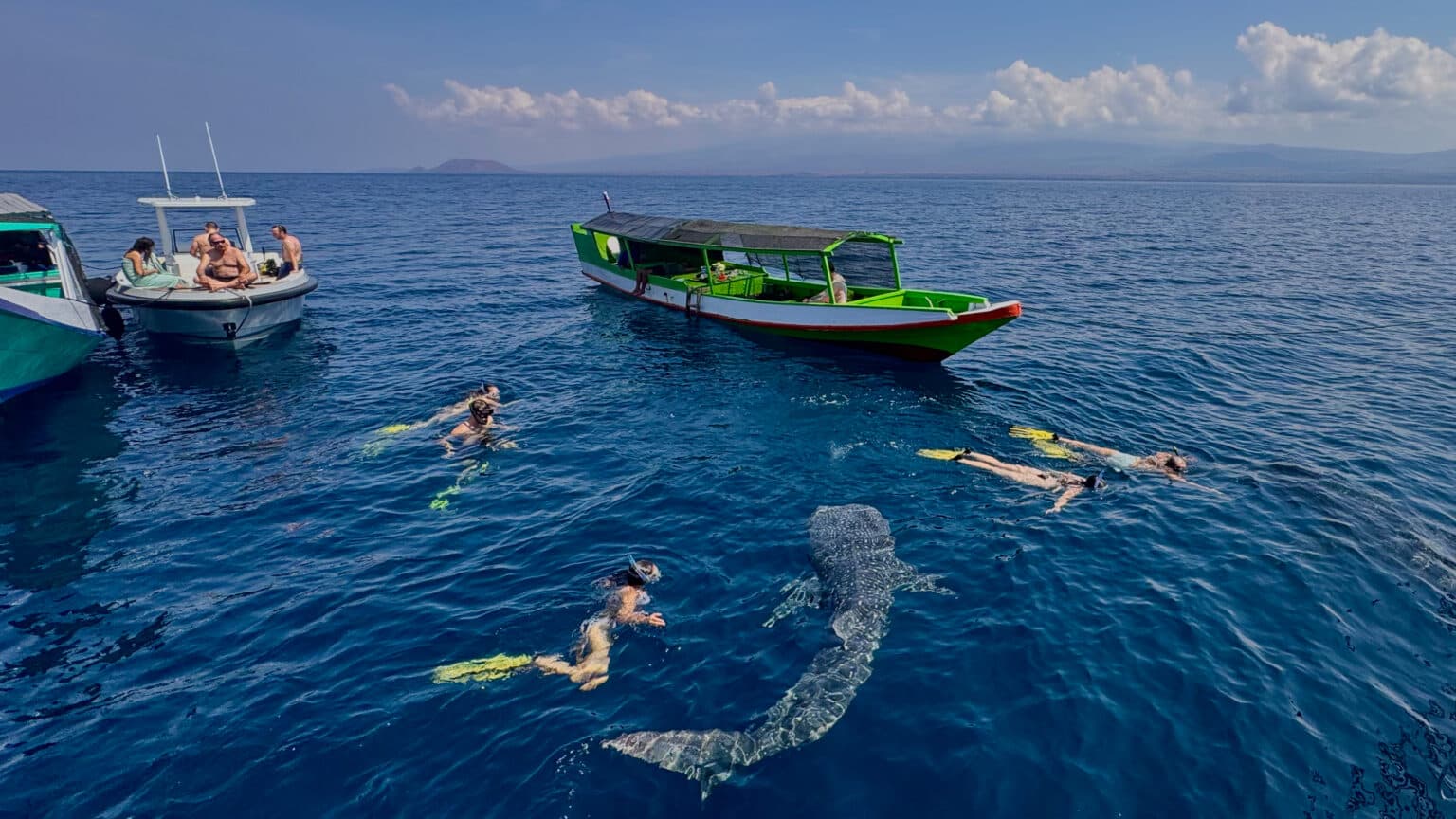
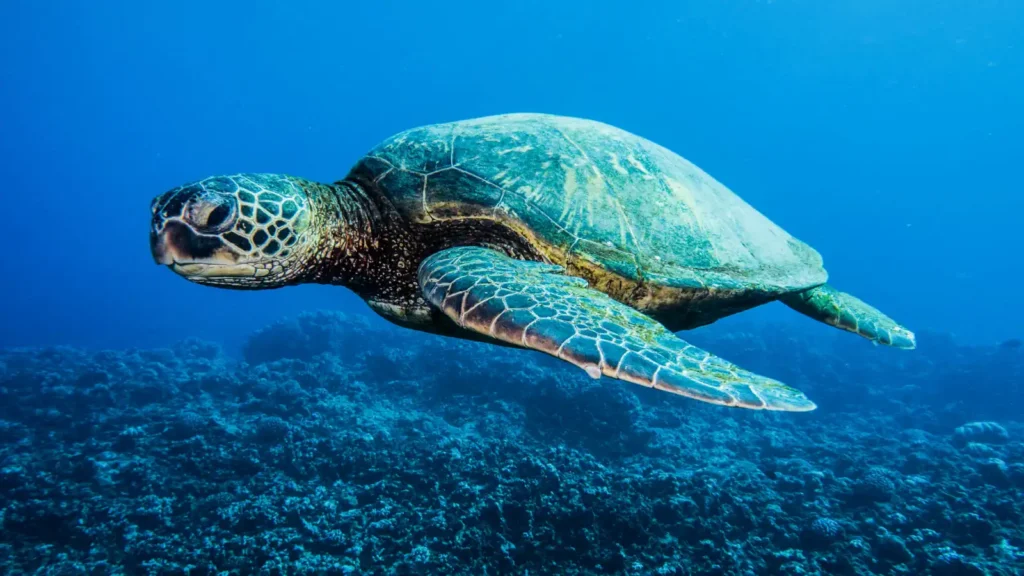
The Gili Islands offer Indonesia’s easiest place to swim with sea turtles. Green and hawksbill turtles live here year-round, and shallow reefs around Gili Trawangan, Gili Air, and Gili Meno bring them within snorkeling reach. You don’t need to be a diver.
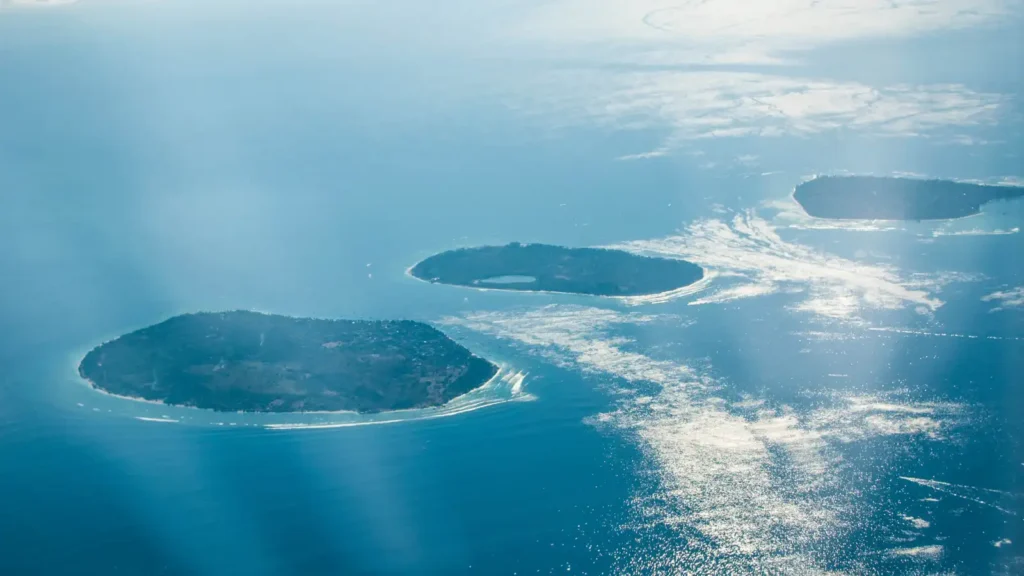
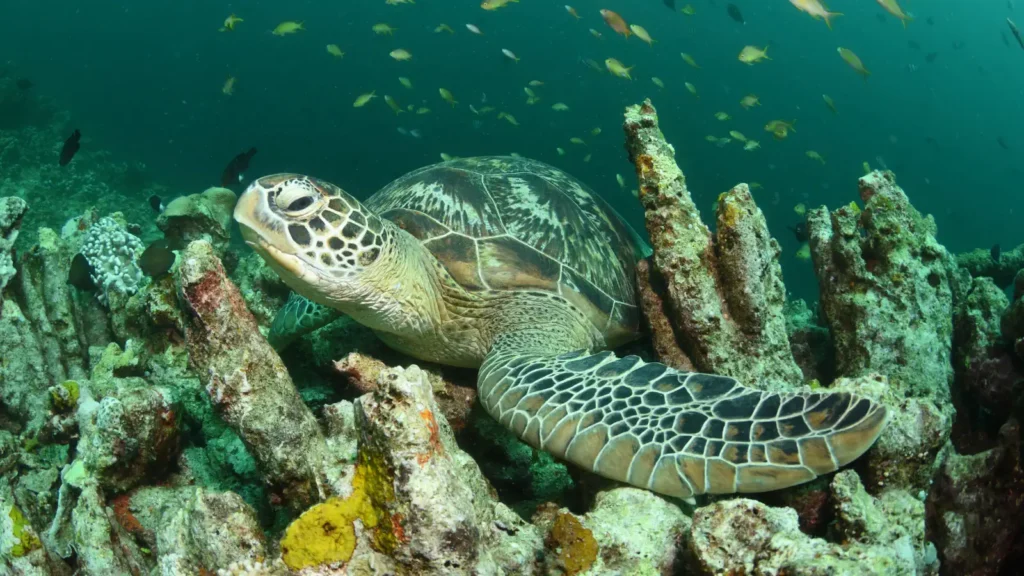
The turtles are used to people and often continue feeding or resting while you watch from a distance. Gili Meno stands out with its calm, shallow reef where you’ll almost certainly see turtles on any good day.
- Best for: Snorkelers, beginners, families
- Species: Green turtles, hawksbill turtles
- Best months: May to October (dry season, best visibility)
- Dive/snorkel depth: 1 to 15m
Siaba Besar, Komodo: “Turtle City”
Siaba Besar holds more turtles than any other dive site in Komodo National Park, making it one of Indonesia’s most reliable turtle spots. Locals call it Turtle City for good reason – you’ll see multiple green and hawksbill turtles on nearly every dive and snorkel, resting on the reef or grazing through shallow coral gardens.
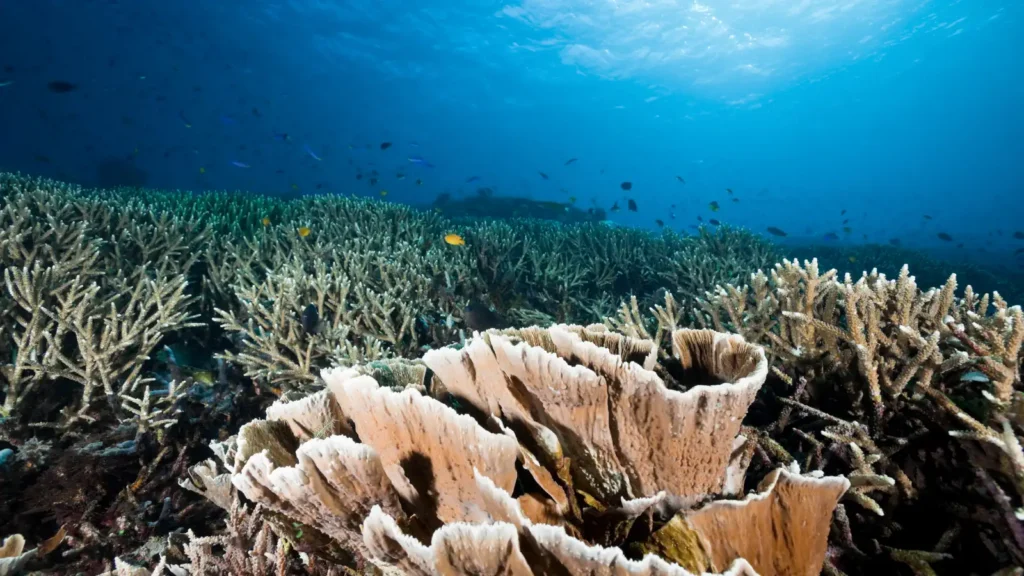
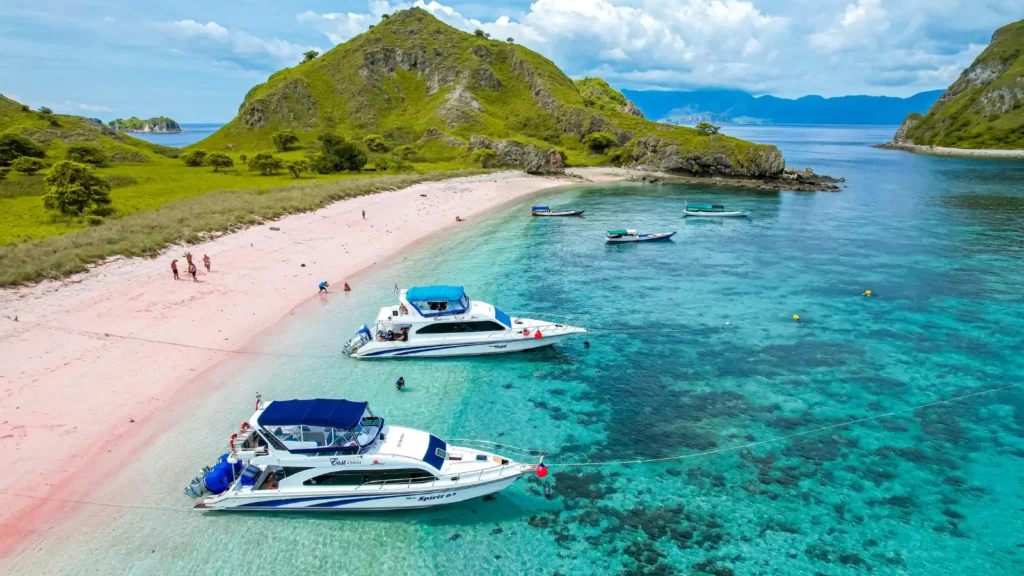
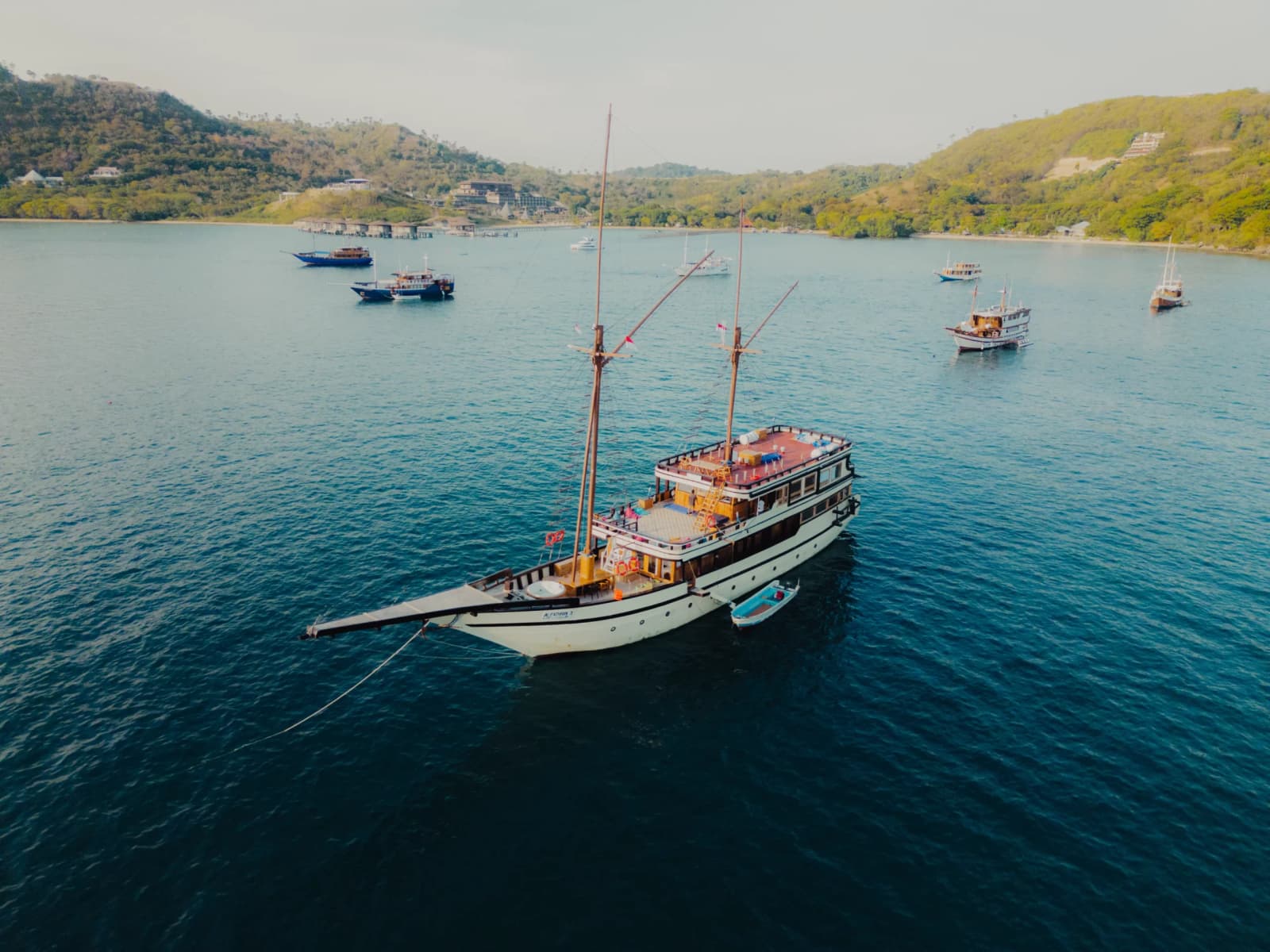
What sets it apart is the conditions: minimal current, shallow water, and healthy coral. It suits snorkelers and beginner divers, which is rare for Komodo. Most importantly, a liveaboard gives you access to Siaba Besar alongside Komodo’s more challenging sites.
- Best for: Divers and snorkelers of all levels
- Species: Green turtles, hawksbill turtles
- Best months: April to November
- Dive/snorkel depth: 3 to 15m
Bunaken National Park, Sulawesi: Turtles on Every Dive
Bunaken National Park ranks among Indonesia’s most celebrated marine parks, largely because green turtles draw divers here constantly. You’ll encounter them at virtually every dive site in the park, from the famous walls at Lekuan I, II, and III to the shallow gardens at Fukui and Muka Kampung.
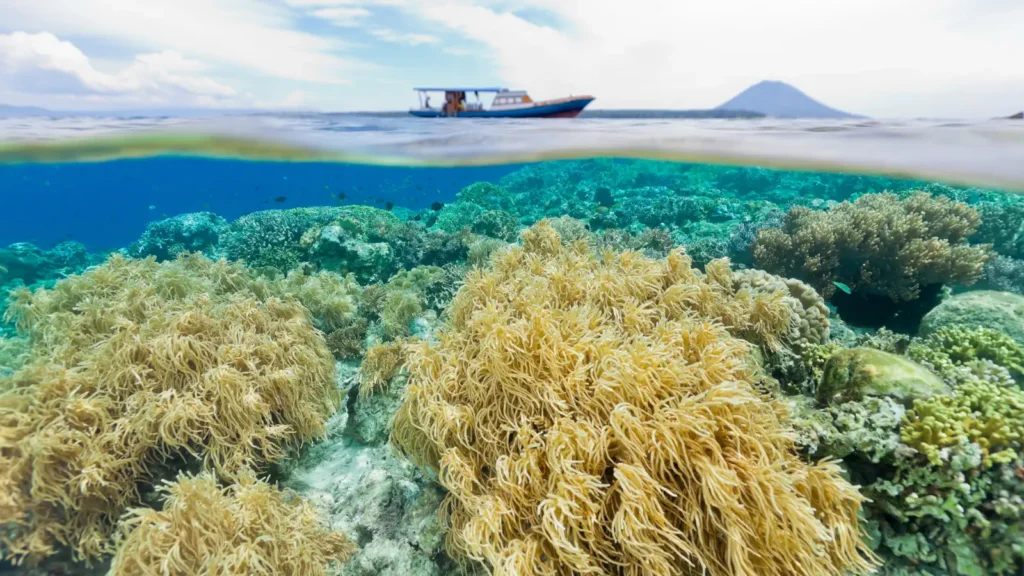
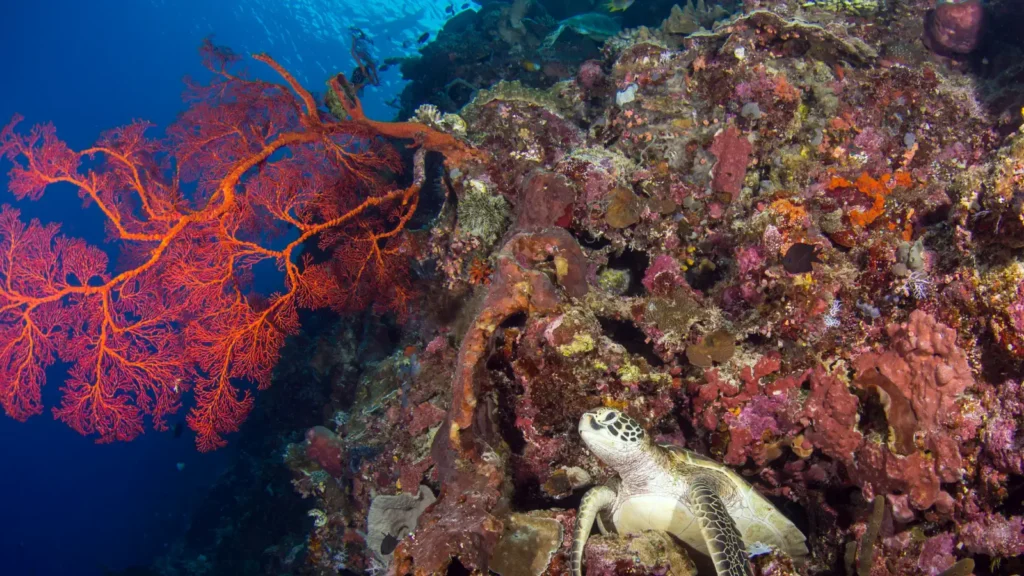
The park sits in the Coral Triangle and hosts some of the world’s highest marine biodiversity. You’ll spot turtles grazing on reef walls at close range. Plus, visibility regularly reaches 25 to 30 metres.
- Best for: Certified divers, wall diving enthusiasts
- Species: Green turtles, hawksbill turtles
- Best months: May to October
- Dive depth: 5 to 40m
Togean Islands, Sulawesi: Nesting Habitat
The Togean Islands serve as a nesting ground for green and hawksbill turtles, tucked into the Gulf of Tomini in Central Sulawesi. Few tourists come here, so the reefs stay largely untouched. You’ll see turtles regularly in the water. Additionally, during nesting season, nighttime beach walks reveal turtle tracks or females coming ashore to lay eggs.
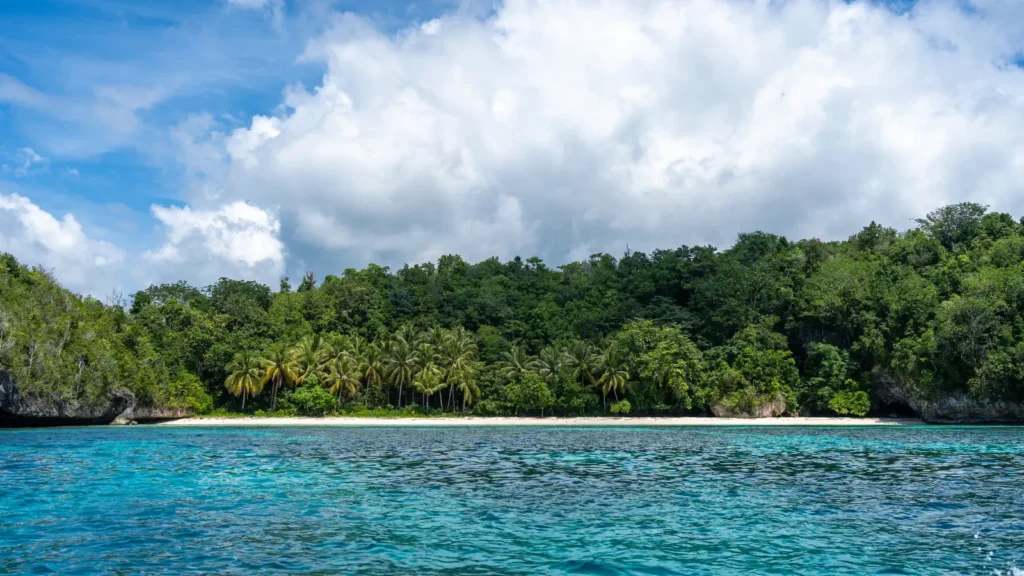
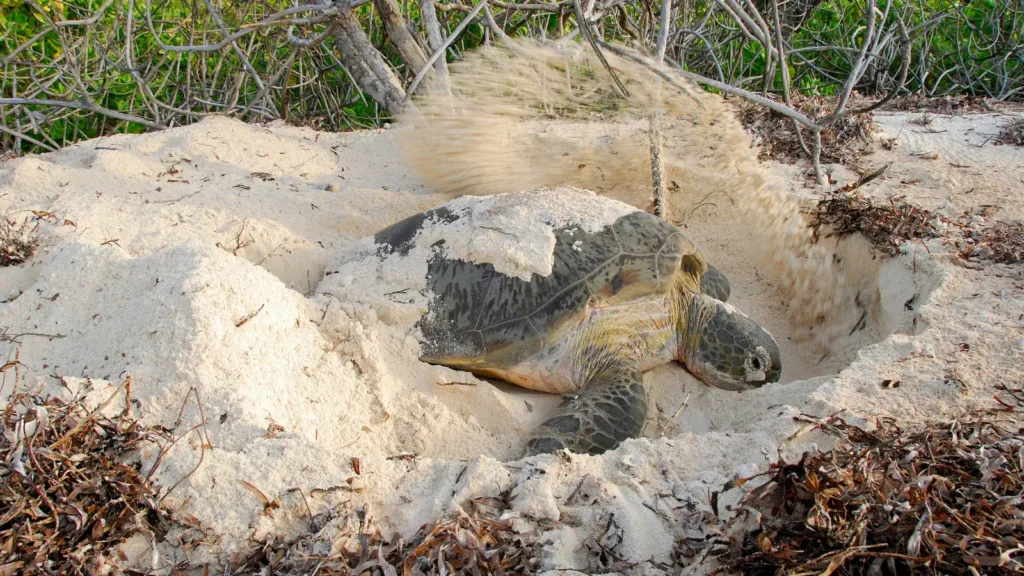
This destination suits travelers seeking genuine, unscripted encounters rather than managed experiences.
- Best for: Conservation-minded travelers, those seeking remote destinations
- Species: Green turtles, hawksbill turtles, occasional leatherback sightings
- Best months: March to December (protected location, diveable year-round)
- Dive/snorkel depth: varies
Raja Ampat, West Papua: Four Species in One Place
Raja Ampat offers one of Indonesia’s few chances to see multiple turtle species on one trip. Green, hawksbill, olive ridley, and leatherback turtles all nest on beaches throughout the archipelago. Furthermore, you’ll see turtles frequently at many dive sites. Sauwandarek Jetty stands out with resident green turtles that claim the site as home.
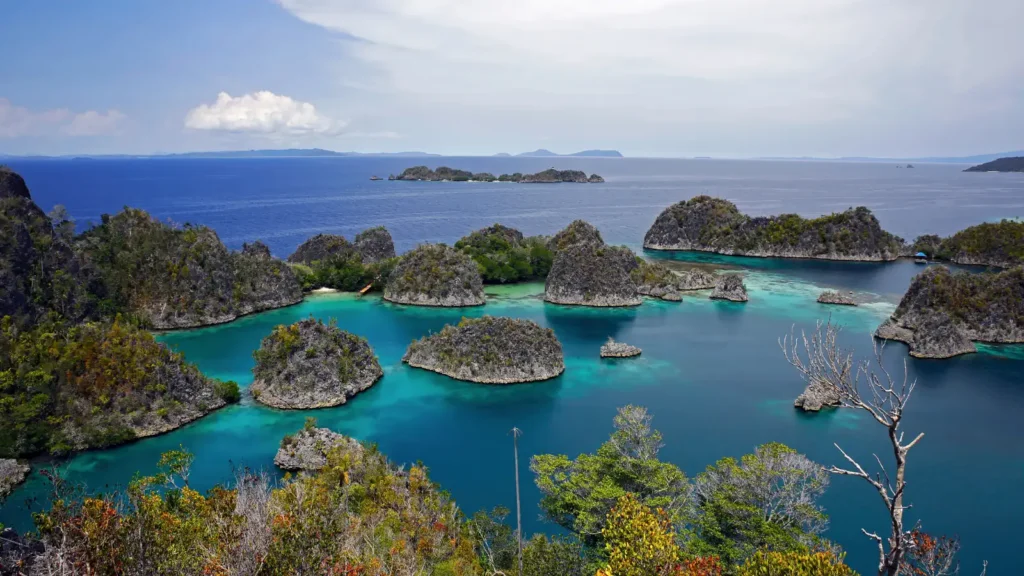
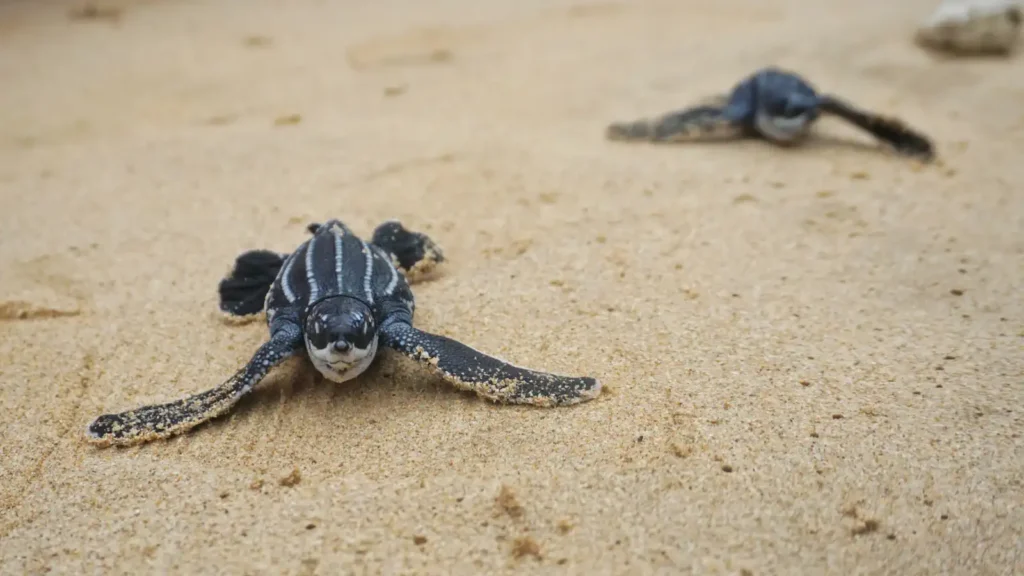
Raja Ampat sits at the Coral Triangle’s heart and holds some of Earth’s highest marine biodiversity. While it suits serious divers best, turtle encounters happen at accessible depths throughout the area.
- Best for: Experienced divers, underwater photographers
- Species: Green, hawksbill, olive ridley, leatherback turtles
- Best months: October to April (peak diving season)
- Dive depth: 5 to 40m
Bali: A Starting Point
Bali doesn’t rank as Indonesia’s top turtle destination, yet it offers a practical starting point. Both Nusa Penida and Nusa Lembongan feature healthy reefs where you’ll spot hawksbill turtles regularly. Additionally, Padangbai’s Blue Lagoon provides a calmer option for snorkelers.
If you’re staying in Bali and want a quick turtle encounter before heading elsewhere, these sites deserve your attention.
- Best for: Bali-based travelers, those combining beach time with a reef dive
- Species: Green turtles, hawksbill turtles
- Best months: Year-round; calmest conditions April to November
- Dive/snorkel depth: 5 to 25m
How to See Turtles Without Causing Harm
Indonesia protects sea turtles by law. Touching, riding, or harassing them is illegal and harmful. Even well-intentioned contact strips natural oils from their skin and raises their stress levels.
Follow these simple rules:
- Stay at least 3 metres away and never position yourself between a turtle and the surface
- Avoid flash photography
- Let turtles set the pace – if one moves away, give it space
- Choose operators who brief guests before entering the water
The goal is sharing the water without disturbing what belongs there.
Swimming with turtles in Indonesia: questions people ask
Gili Meno in the Gili Islands is the easiest: green and hawksbill turtles feed on the shallow reef a short swim from the beach, and you do not need to dive. For divers, Siaba Besar in Komodo and Bunaken in North Sulawesi are the most reliable sites.
Yes. On Gili Meno and Gili Air the reef starts a few metres from shore, and Padangbai’s Blue Lagoon in Bali is a calm snorkel from the sand. Elsewhere, Komodo, Bunaken, the Togean Islands and Raja Ampat, you reach the turtles by boat.
Turtles are there all year. The clearest water is in the dry season, May to October, for the Gili Islands, Komodo and Bunaken; Raja Ampat is best from October to April. Nesting on the Togean beaches happens at night through most of the year.
No. All six species found in Indonesian waters are protected by law, and touching, chasing or riding them is illegal. Keep at least three metres away, never block a turtle’s path to the surface, and skip the flash.
Six of the world’s seven: green, hawksbill, olive ridley, leatherback, flatback and loggerhead. Green and hawksbill turtles are the ones you will meet on the reef; leatherbacks and olive ridleys are mostly seen around nesting beaches in Raja Ampat and the Togean Islands.
Plan Your Visit
Ready to see sea turtles in Indonesia? Our team can help you build a trip around the destination that fits what you are looking for, whether that is a quick snorkel from a beach or a multi-site liveaboard. Get in touch with our team of dive travel experts now.
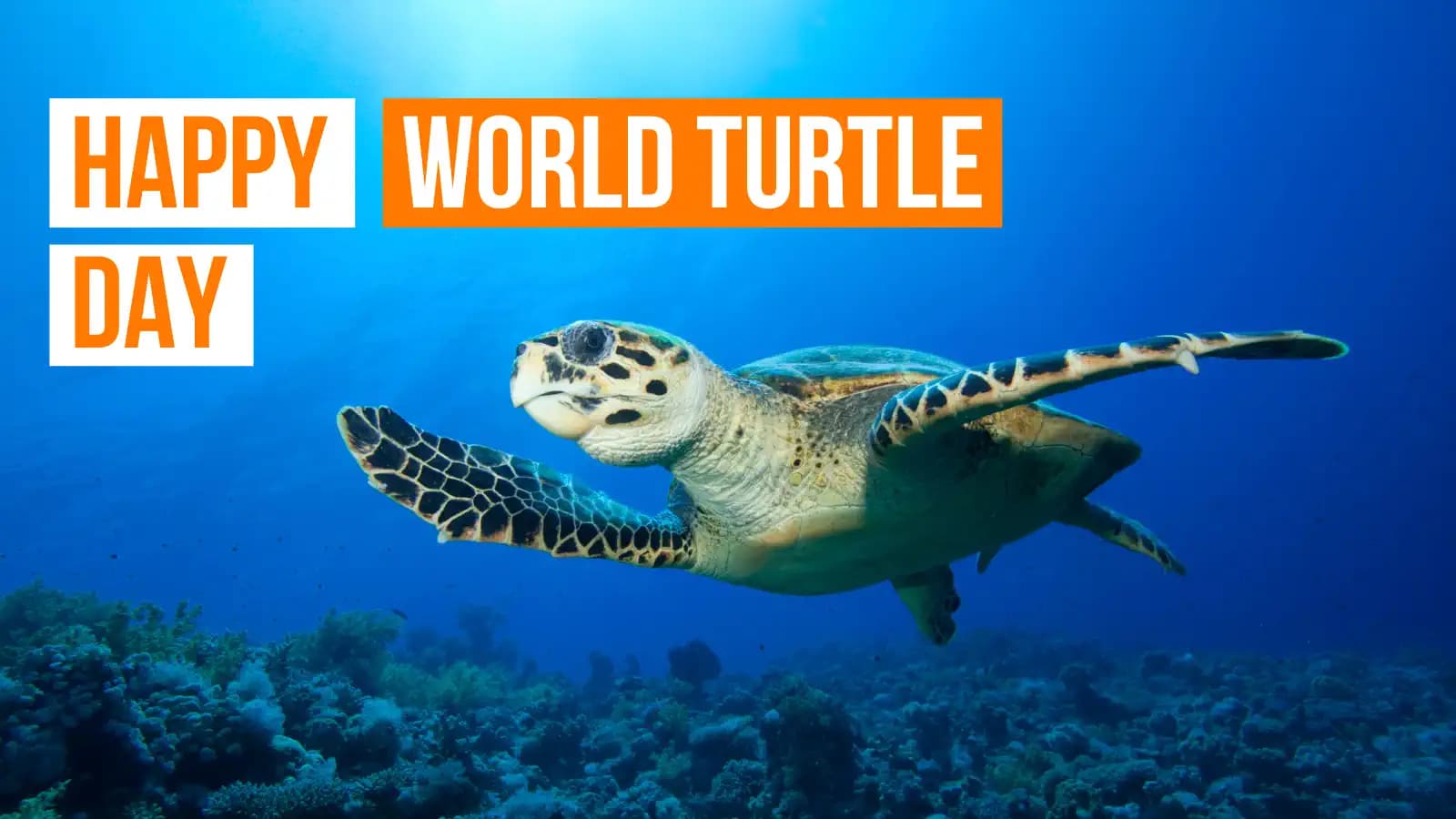
This guide was first published for World Turtle Day, which falls on May 23 every year. American Tortoise Rescue started it in 2000 to raise awareness about the threats turtles face and the habitats they’re losing. More than two decades later, those threats remain, and the rules above are how visitors help.
Happy World Turtle Day.