If you’ve done Raja Ampat and Komodo and you’re wondering what comes next, the Banda Sea is probably it. Not because it’s more famous, but because it isn’t. It’s hard to get to, rarely crowded, and the diving is the kind that stays with you.
This is eastern Indonesia at its most remote. Volcanoes rising from 4,500 meters below sea level. Schooling hammerheads. Dive sites with no other boats on them. History you can actually touch: Dutch forts, nutmeg plantations, a town in the middle of the ocean that once controlled the global spice trade.
Here’s what you need to know before you go.
Where the Banda Sea Is and How to Get There
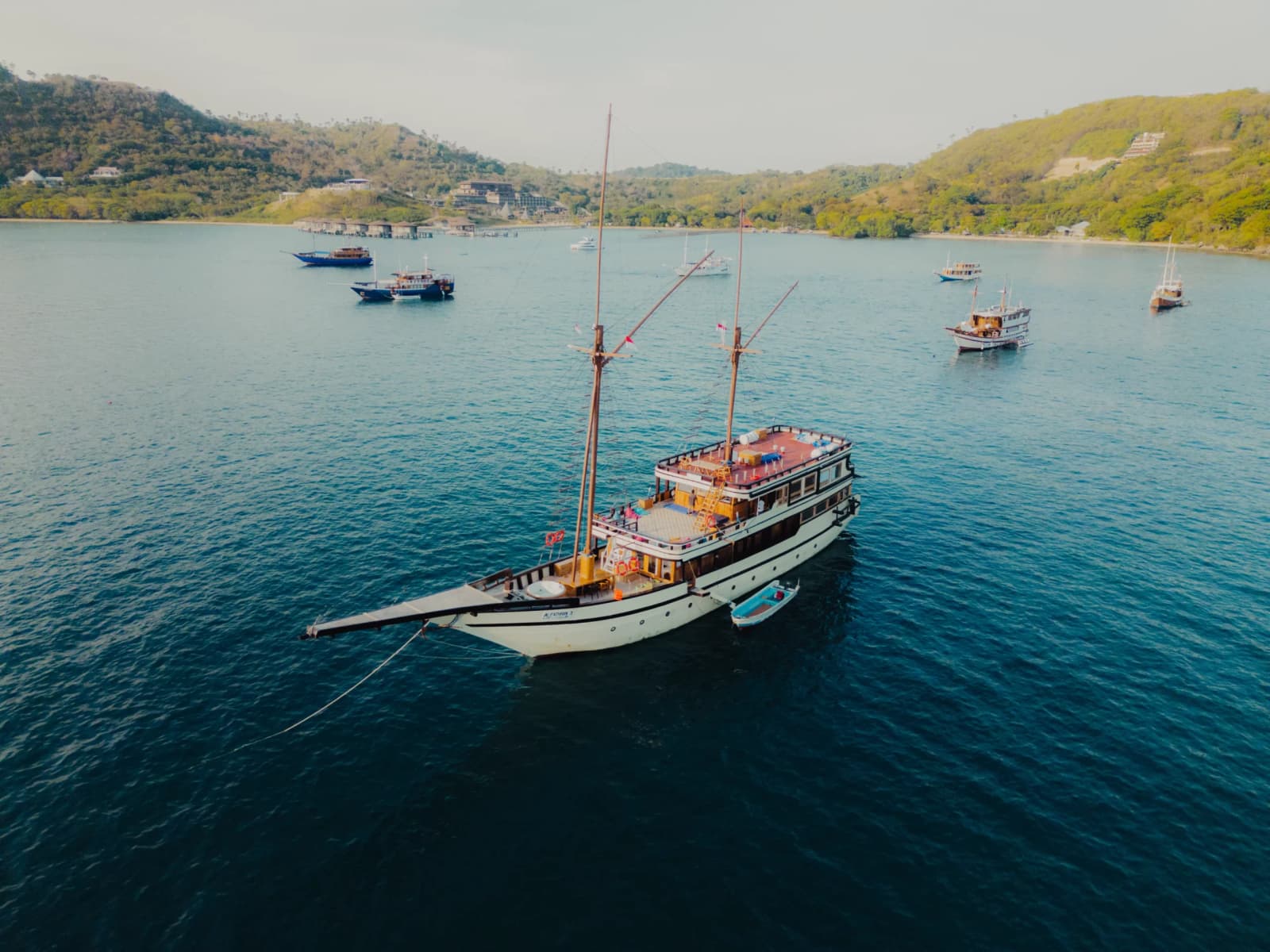
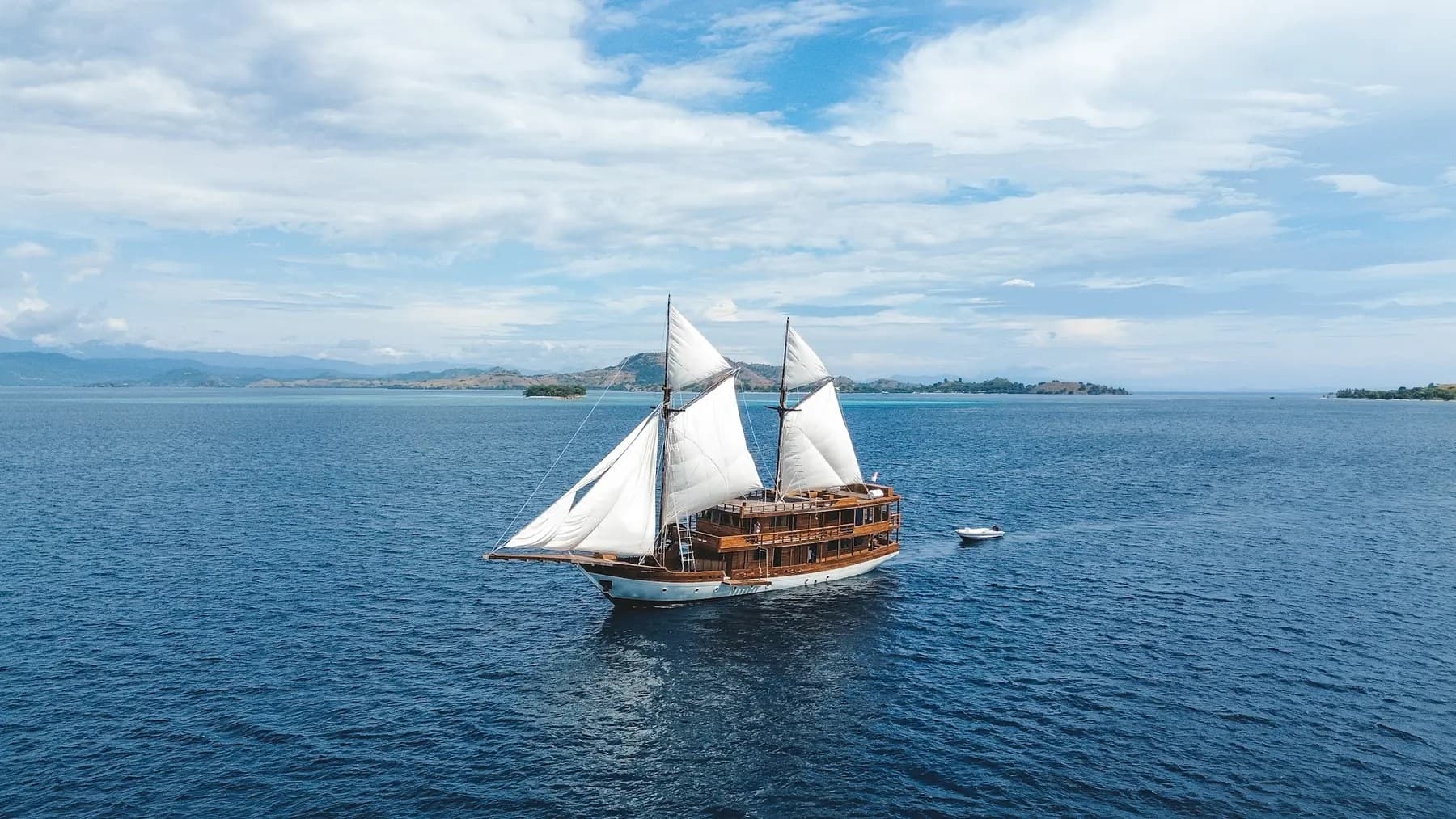
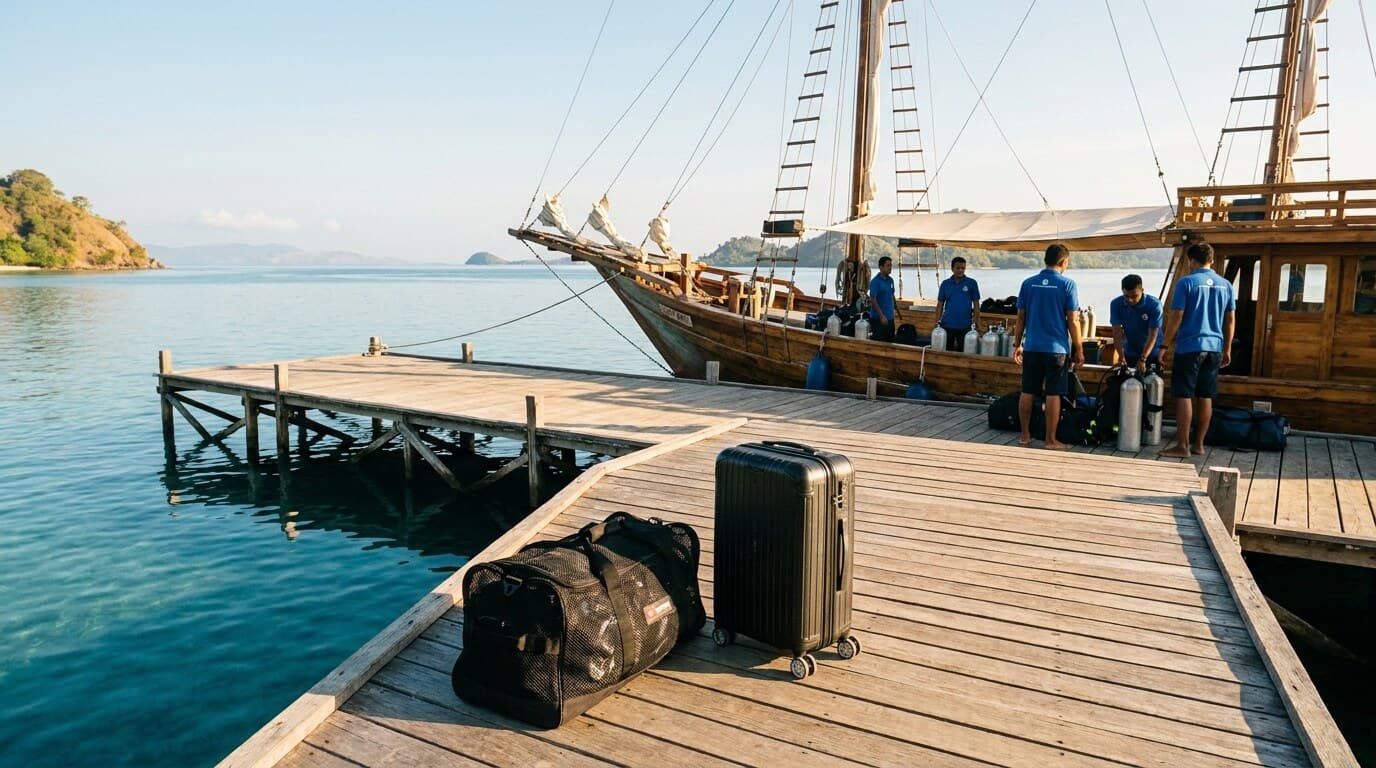
The Banda Sea sits in Maluku province, in eastern Indonesia. The gateway is Ambon (AMQ), which has direct flights from Makassar, Jakarta, and Surabaya. From Ambon, you join a liveaboard, that’s essentially the only practical way to dive this region. Some boats run Alor to Ambon itineraries, which are a good option if you want to combine Banda with the dive sites around Alor and the Banda crossing in one trip.
Getting there takes some planning, and that’s partly the point. The logistics filter out the crowds.
What’s Underwater
The Banda Sea has a few distinct dive areas, each different enough to justify the trip on its own.
Manuk Island
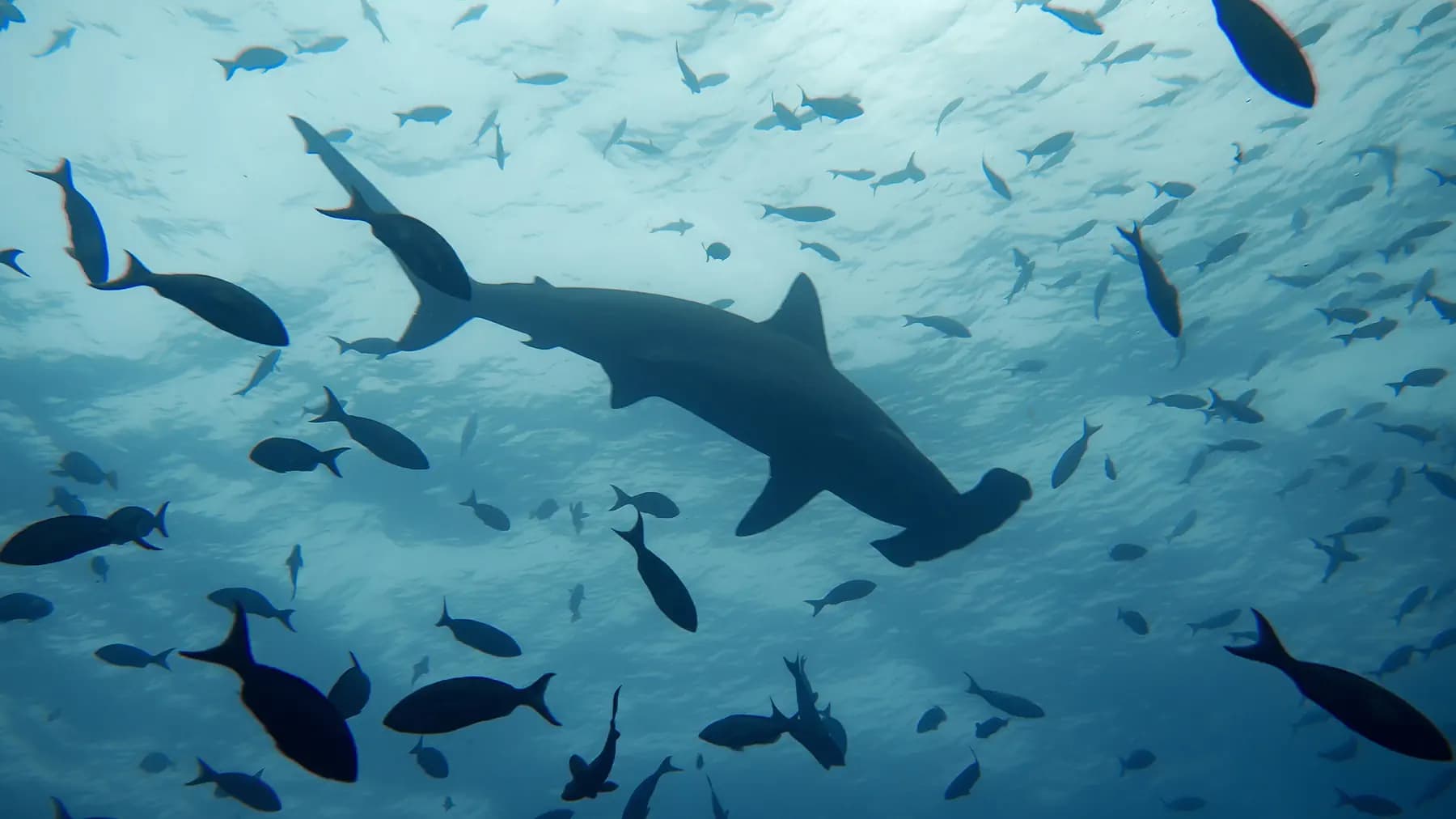
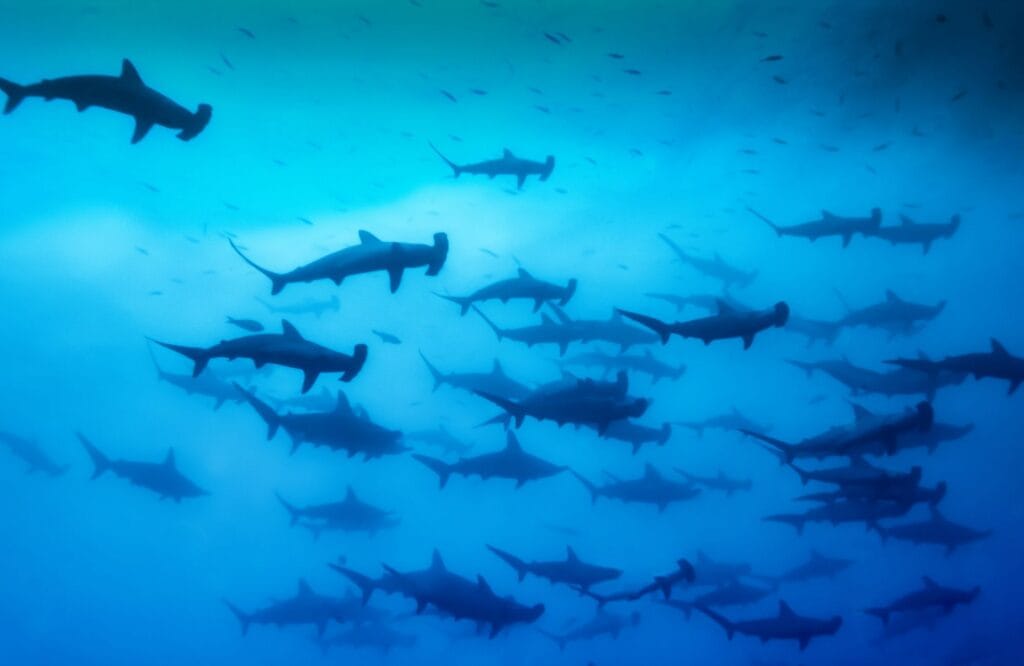
This is the one people come for. Manuk is the tip of an active volcano rising from the ocean floor. The crater and surrounding water are full of sea snakes, which sounds alarming but isn’t, they’re not aggressive. What gets divers here is the hammerheads. Schooling hammerheads aggregate in the deep water around Manuk, and during the right months you can see them in numbers that are rare anywhere else in Indonesia. Strong currents are common. This is an advanced dive, but for experienced divers it’s hard to overstate.
Banda Islands and Banda Neira
The dive sites around Banda Neira are good, and the history above water is genuinely interesting. Banda Neira was the center of the global nutmeg trade in the 17th century. The Dutch fought over it, colonized it, and built forts that are still standing. You can walk around them in the afternoon between dives. The macro life here is excellent: rhinopias, cuttlefish, seahorses. More wall diving than big pelagics, which makes it a good complement to Manuk.

The Forgotten Islands
Southeast of Banda, the Forgotten Islands (also called Lucipara Atoll) are as remote as the name suggests. Almost no boat traffic, healthy reef structure, and good pelagic action. If you want to dive somewhere that feels genuinely off the map, this is it.
Ambon
Ambon gets its own mention because it’s a different type of diving. The bay is one of the better muck diving spots in Indonesia: mimic octopus, Ambon scorpionfish, stargazers, flamboyant cuttlefish. Worth a day or two if you’re flying in and out.
When to Go
There are two seasons: March to April and September to November. Outside these windows the seas are rougher, and many boats don’t operate in the region.
September to November is the main season, and October is when the hammerhead aggregations at Manuk are most consistent. Water temperature runs 27–30°C, visibility typically 15 to 40 meters depending on the site and conditions.
The October/November Season and Banda Crossings
Here’s how the season actually works. Boats coming off the Komodo season sail east to Alor, then Ambon, before repositioning for Raja Ampat.
On the way, they run a handful of Banda Sea trips out of Ambon: Banda Neira, Manuk, the Forgotten Islands, the muck diving around Ambon itself. If you want to do the Banda Sea properly, these trips are the way to do it.
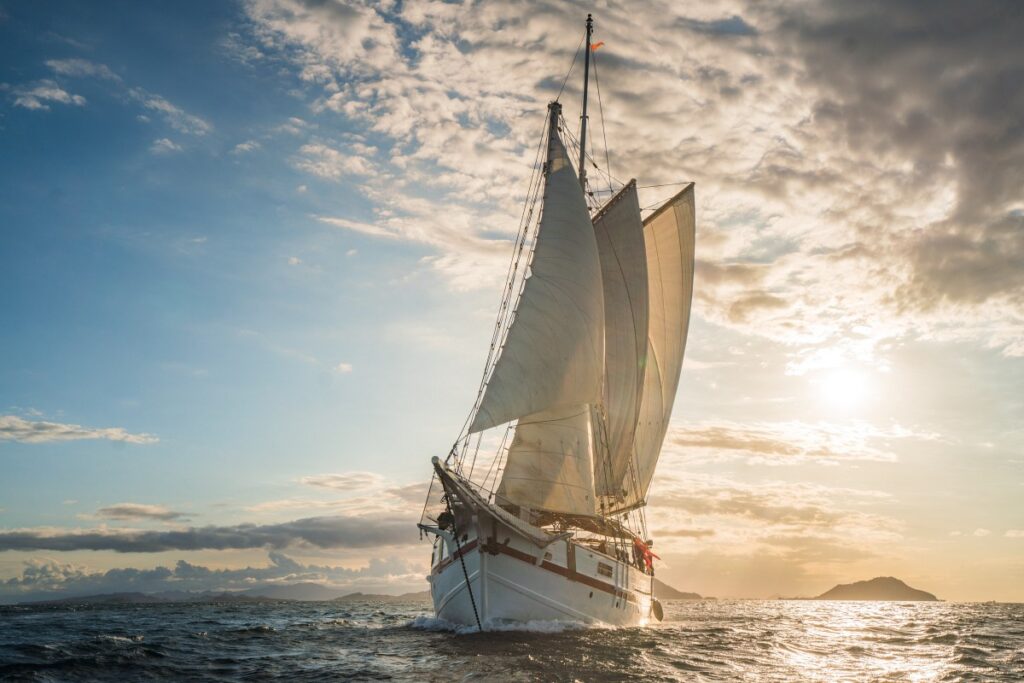
Then, each boat does the crossing: Banda Sea through Misool, ending in Raja Ampat. It’s how they reposition to open the Raja Ampat season. One-way, one crossing per boat per year. You get open ocean sailing, remote island stops, serious diving all the way through, and you arrive in Raja Ampat.
If you’ve already done Raja Ampat and want a reason to go back, arriving via the Banda crossing is a pretty good one.
Who This Trip Is For
This is not a learner destination. The currents at Manuk and the Forgotten Islands can be strong, and the sites work best for divers who are comfortable in that kind of water. Advanced certification is recommended, and actual experience matters more than the card. That said, not every dive on a Banda liveaboard is challenging. Banda Neira and Ambon are accessible to confident divers, even if they don’t have hundreds of dives under their belt.
If you’ve been diving for a few years, done some drift diving, and you want an expedition rather than a resort week, the Banda Sea is a good fit.
Planning Your Trip
Ambon is the starting point. Book flights early and factor in a buffer day before your liveaboard departure. Flight cancellations happen in eastern Indonesia.
October and November trips fill up well before the season opens. Crossing spots in particular, since there’s only one per boat every year, tend to go to returning clients and early inquiries. If you’re thinking about going this year, the time to reach out is now.
We work with several liveaboards that operate in the Banda Sea, covering different budgets and itinerary formats. See their Banda Sea departures with live places and prices.
Get in touch and our team of dive travel experts will match you to the right trip.
Hammerhead Cover Photo by Heidi Bruce on Unsplash