In February 2026, TripAdvisor’s Travelers’ Choice Awards named Bali the world’s top travel destination. Not just in Asia, not just among tropical islands: #1 in the world.
The list it beat reads like a greatest hits of global tourism: New York City, London, Dubai, Paris, Rome, Bangkok. Over 7 million international tourists visited Bali in 2025, a record for the island. The recognition didn’t come from a marketing campaign or a viral moment. It came from millions of traveler reviews, from people who came, experienced something they couldn’t quite categorize, and felt like they had to say something about it.
Nobody who has spent time in Bali will be surprised. But the reasons why deserve more than a headline.
A place that refuses to be simplified
Most destinations can be summarized in a sentence. Bali cannot.
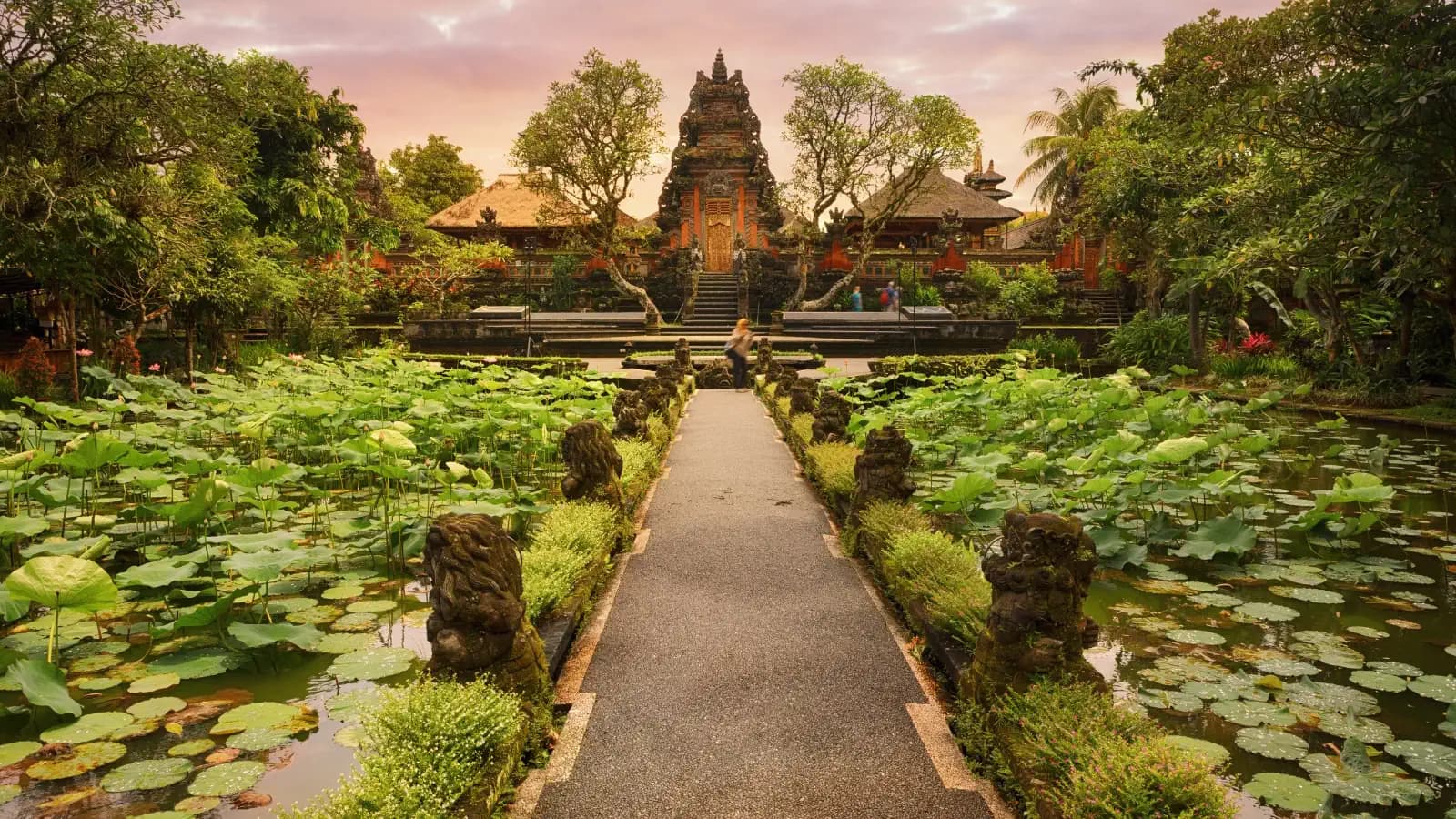
It is temples draped in incense smoke at dawn, where Balinese Hinduism, one of the most alive spiritual traditions in the world, shapes the rhythm of daily life. Offerings placed at every doorstep. Ceremonies that close streets without warning. Gamelan music drifting out of compounds you’ll never enter.
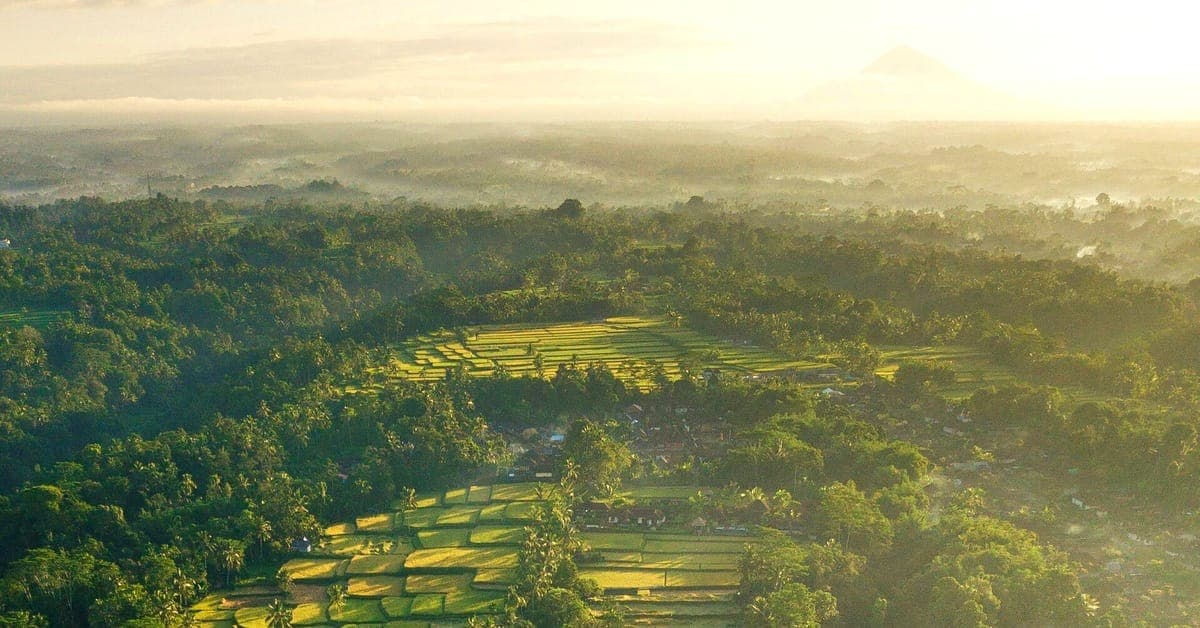
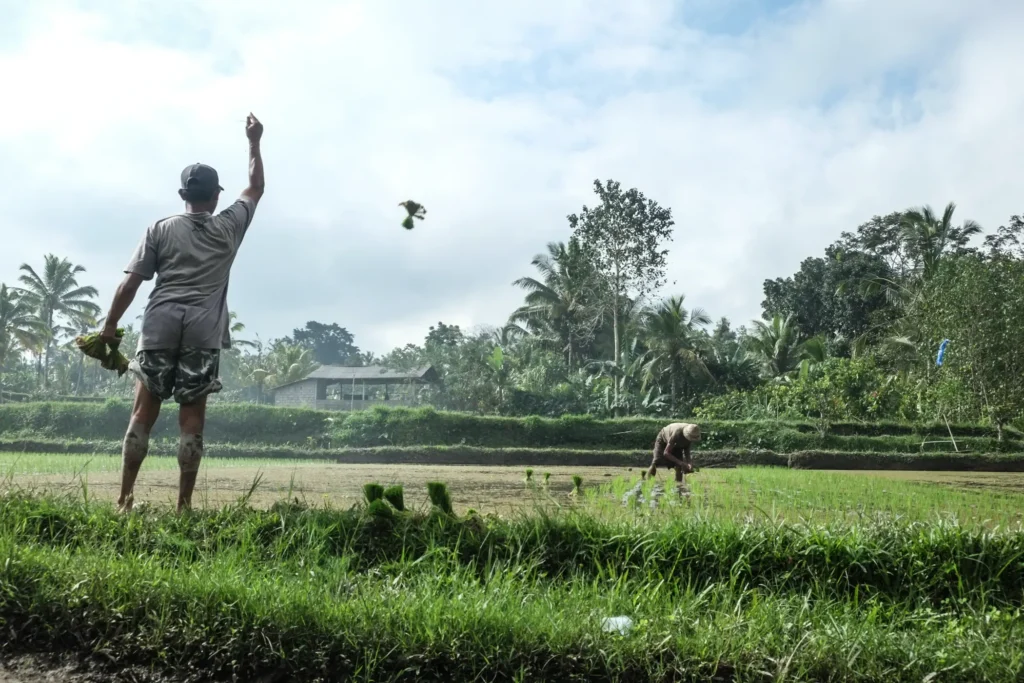
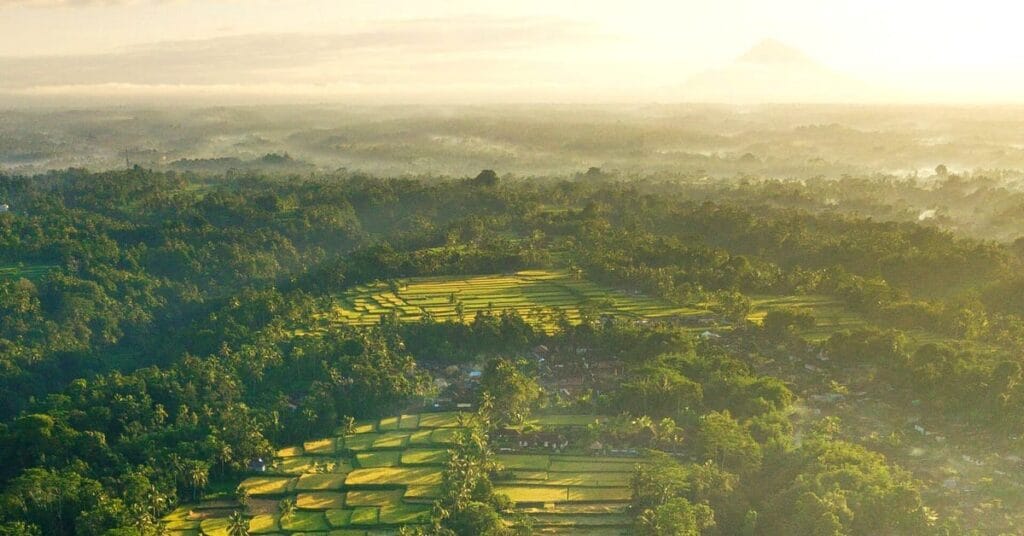
It is also rice terraces carved into hillsides over centuries. The most beautiful ones spread across Jatiluwih, Tegalalang, and the villages of the east, and most visitors see them from the same three lookout points. Walk past those and you get the actual thing. The same goes for the waterfalls: the ones worth visiting are inside jungle walks that take some effort to find.
Then there are the volcanoes. Mount Agung, at 3,031 metres, is the island’s highest point and one of the most sacred sites in all of Indonesia. Summiting it at dawn, arriving above the cloud line as the sun rises over a sea of white, is one of those experiences that earns Bali its #1 title more than any hotel pool ever could. We offer guided Mount Agung treks and the quieter, equally good Mount Abang for those who want the elevation without the crowds.
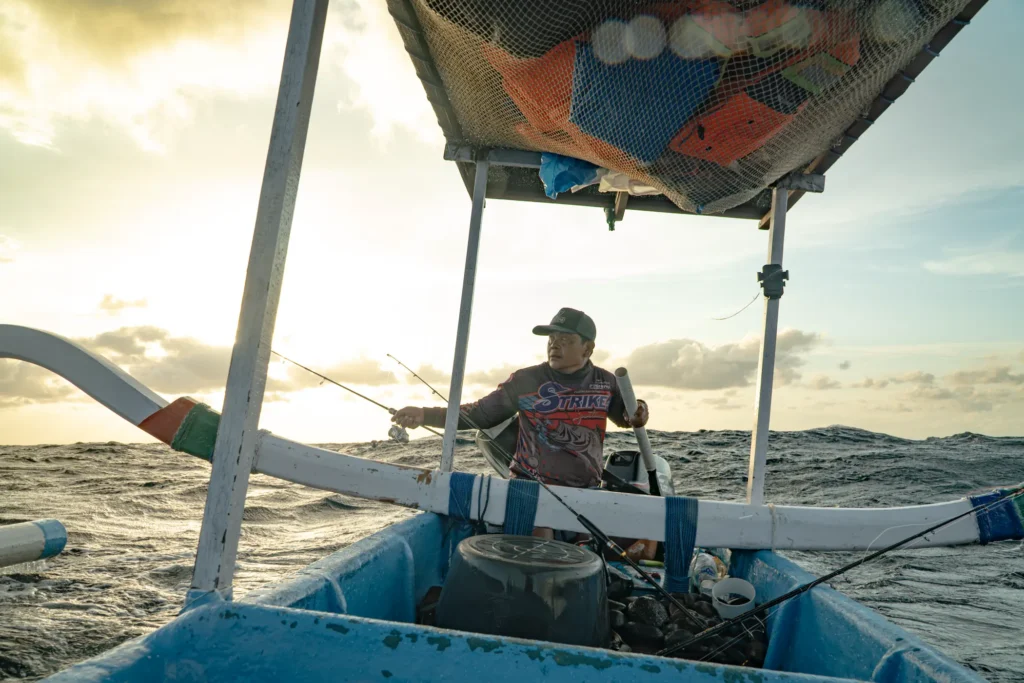
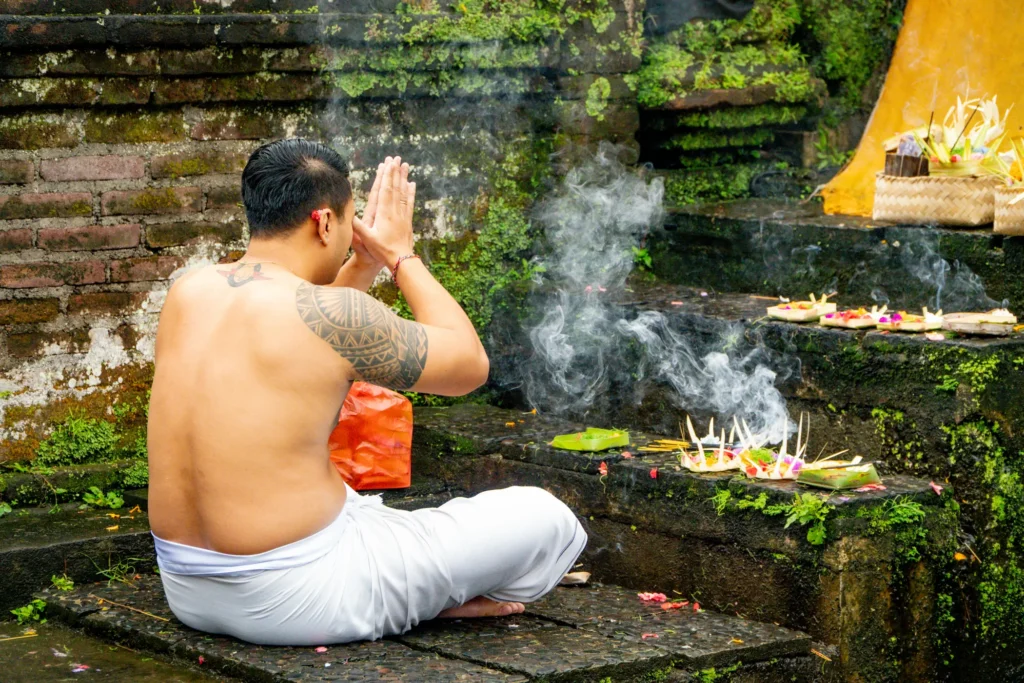
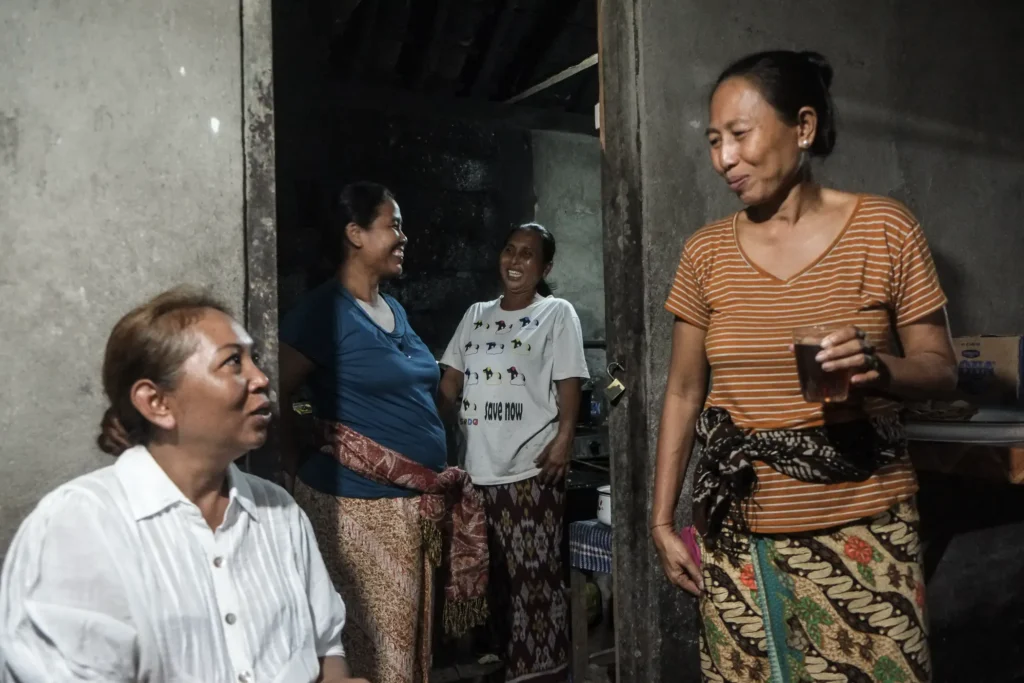
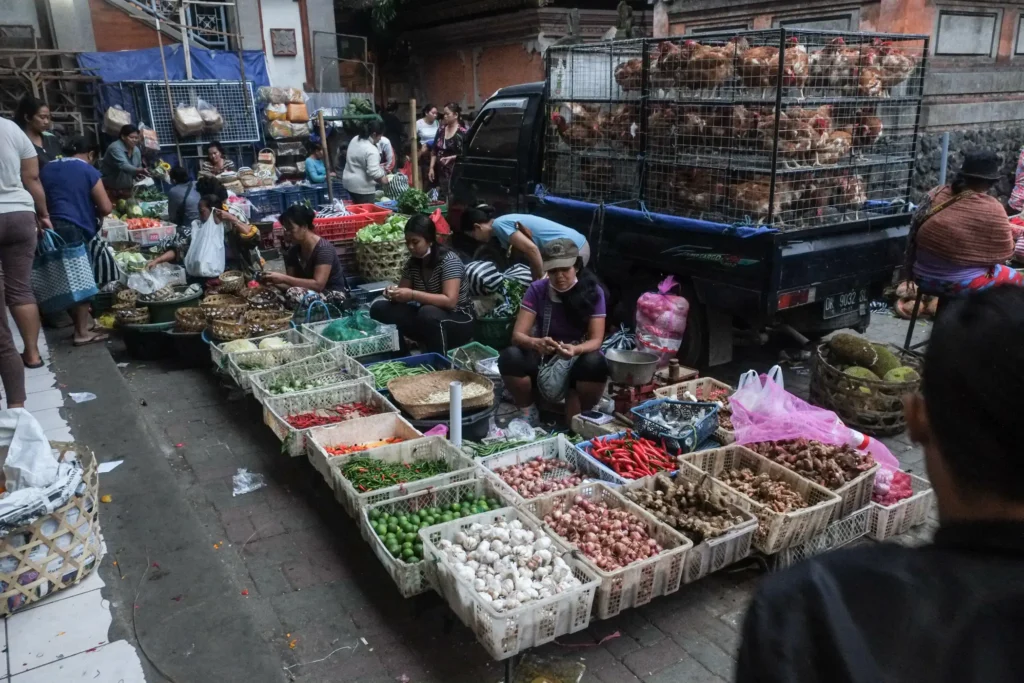
Beyond the temples and the rice fields
The rankings counted Bali’s culture and landscapes, and, correctly, its range of experiences.
There is paragliding over the cliffs of the south coast, the Indian Ocean stretching out below you. There is canyoning through the river gorges of the interior: descending waterfalls, swimming through pools the color of jade, arriving back at the surface sunburned and satisfied. There is the e-bike ride through the Ubud ricefields at sunrise, when the terraces are still misted and quiet.
Bali’s food culture is serious, layered, and deeply regional. A cooking class in Sidemen or Amed gives you something no restaurant can: the logic behind what you’re eating, and why it tastes the way it does.
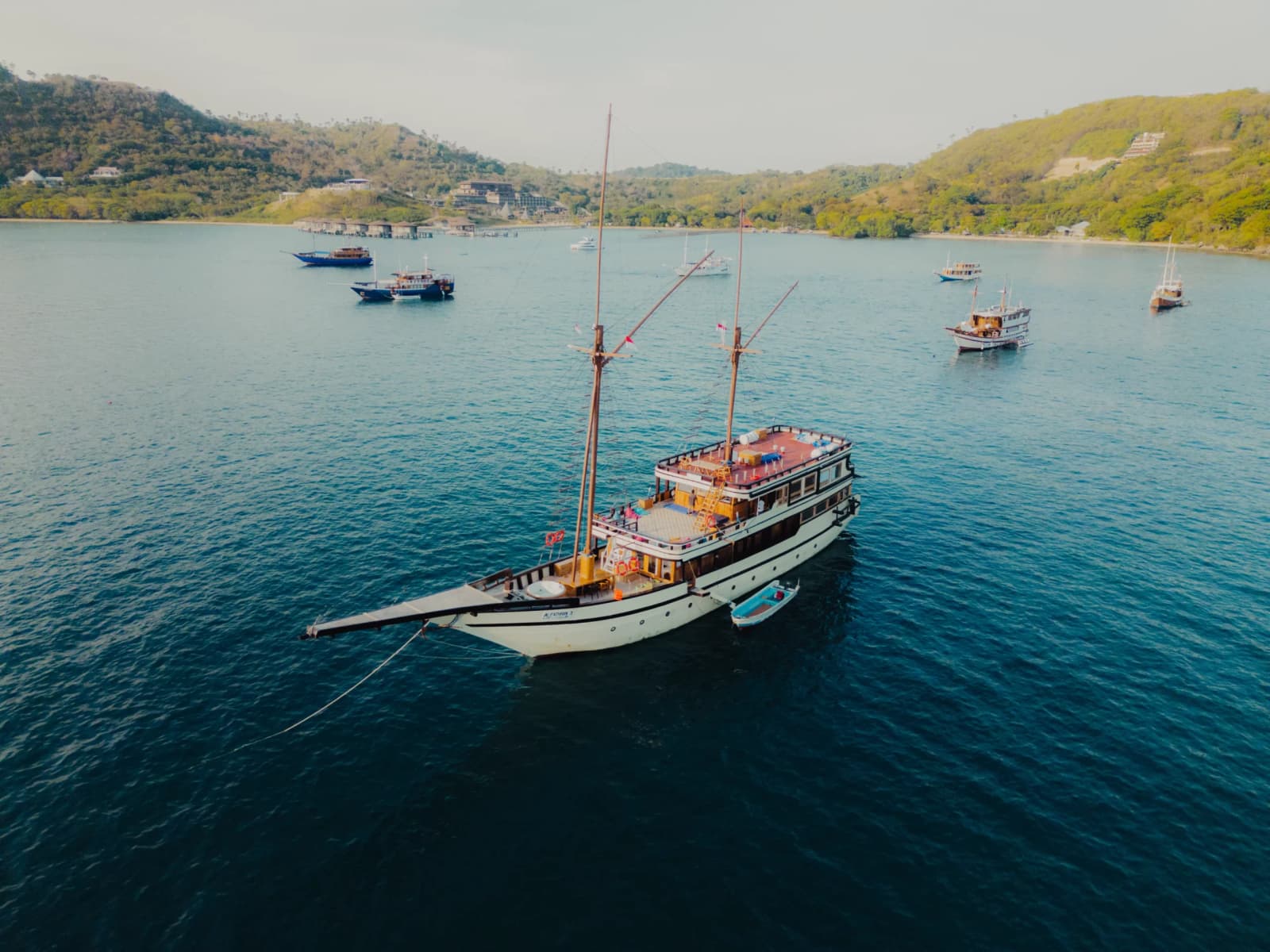
For those who want Bali’s best moments in one journey, our 6-Day Bali Tour covers volcanoes, cultural sites, adventure, and closes with a private sunset cruise on the water.
But what about the crowds?
Fair question. Parts of Bali are genuinely busy: Canggu, Seminyak, the most photographed viewpoints at peak hours. The overtourism narrative isn’t wrong. It’s just not the whole picture.
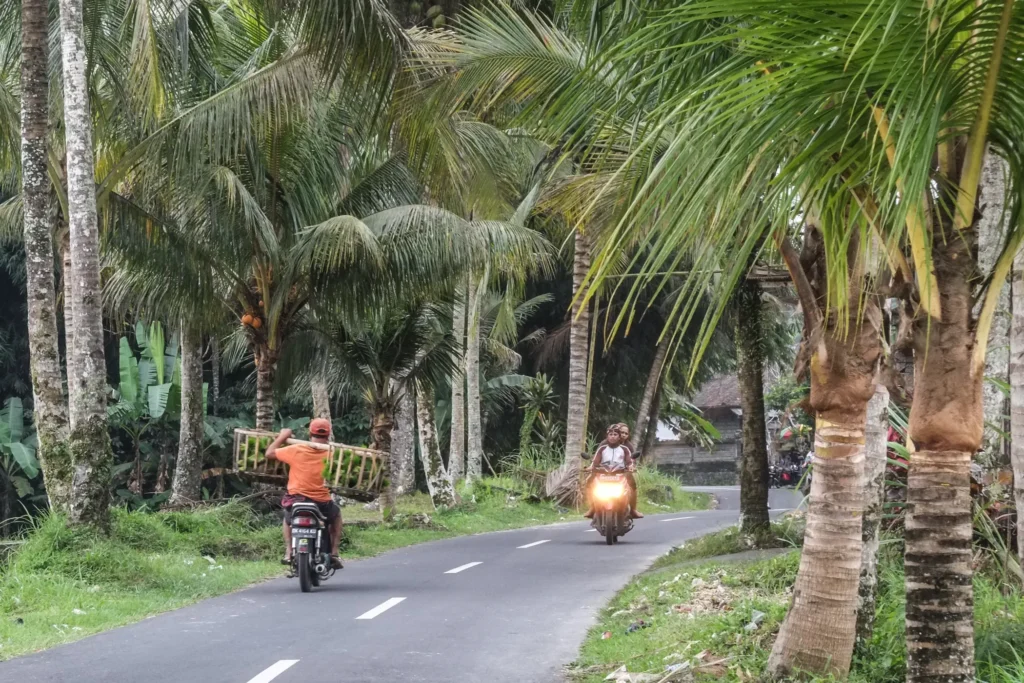
Bali covers more than 5,500 square kilometres. The vast majority of those 7 million annual visitors occupy a surprisingly small corner of it. The villages of East Bali, the black-sand coast of Amed, the highland terraces of Sidemen feel exactly as Bali should: unhurried and real. Getting there means knowing where to look and when to go. Avoid July–August and the Christmas–New Year stretch if you can. Most of Bali’s best-known sites are a completely different experience at dawn, before the tour groups arrive. That’s where having a local guide makes the actual difference. Our team lives here. We know which version of Bali is worth your time, and how to find it.
Above the surface, they measured it all. Below it, nobody looked.
TripAdvisor counted beaches, hotels, restaurants, cultural sites, traveler satisfaction scores. Everything above the waterline.
It didn’t take into consideration Bali’s underwater wonders…
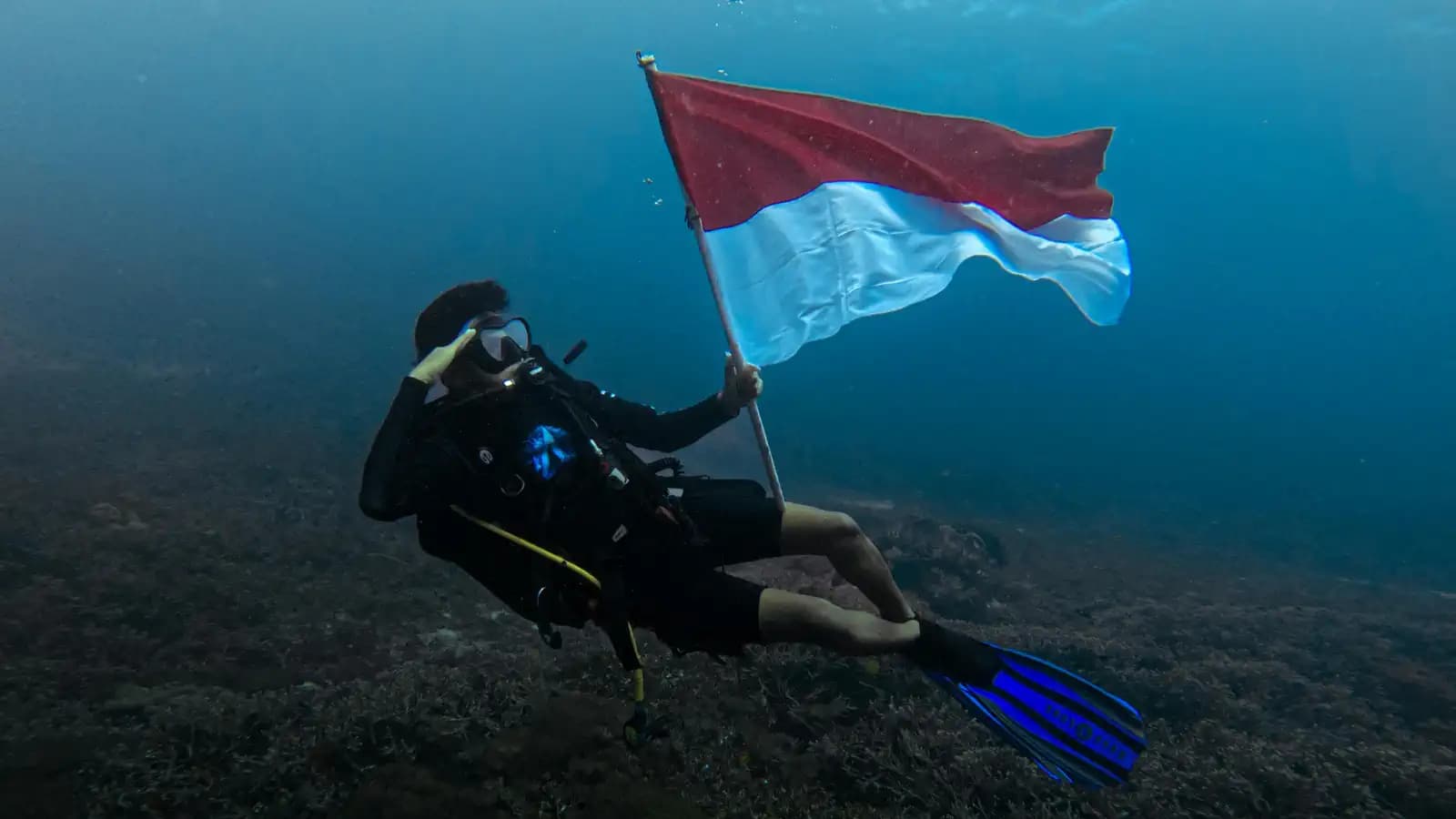
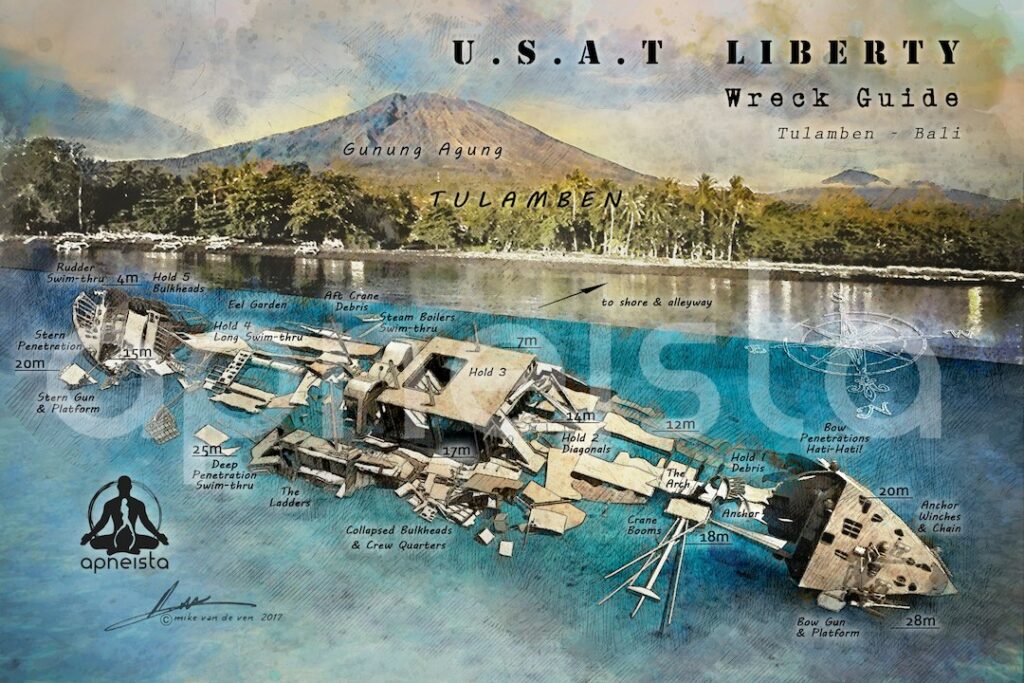
The USAT Liberty is one of the most accessible wreck dives on earth. It’s a 125-metre American cargo ship, sunk during World War II, resting at 3 to 30 metres off the black-sand shore of Tulamben in northeast Bali. Covered in coral, patrolled by a resident school of jacks, close enough to the beach that snorkelers can reach it without a boat.
Nusa Penida pulls in divers from across the world for two reasons: manta rays and the mola mola, the ocean sunfish, one of the heaviest bony fish in existence. The mola appears in the thermocline between July and October. Our Nusa Penida dive day trips run year-round.
For more of Bali’s underwater world, our 7-Day Bali Dive Safari and 13-Day Dive Safari combine Amed, Tulamben, and Nusa Penida with time on the surface in Bali’s quieter corners. A full guide to Bali’s best dive sites is on the site if you want to start there.
This is the Bali that TripAdvisor couldn’t measure. It’s not inaccessible. It just asks a little more of you. A mask, a regulator, and twenty metres of blue water.

Plan your 2026 Bali trip
We’ve been based in Bali for years, and we plan the kind of itineraries you don’t find in a travel guide. Above water, below it, or both: get in touch and tell us what you have in mind.