If your holidays fall over Christmas or in February, you are likely asking whether it is worth diving Indonesia in the rainy season.
The short answer is yes, if you pick the right place. Indonesia sits across the equator and stretches more than 5,000 km from west to east, so it never has one single season. The same monsoon that brings rain to Bali and Komodo from roughly November to March brings calm seas to Raja Ampat. Most of the country’s liveaboard fleet knows this and moves east every October to follow the good conditions.
Here is where we send divers between November and March, what changes in each place, and what to save for another time of year.
To see what is actually sailing, use our new dive trip finder. It lists the scheduled departures of the liveaboards we work with, with the places left and the price per person, updated every two hours. Filter by month and region to see every trip between November and March.
Raja Ampat: the season is on
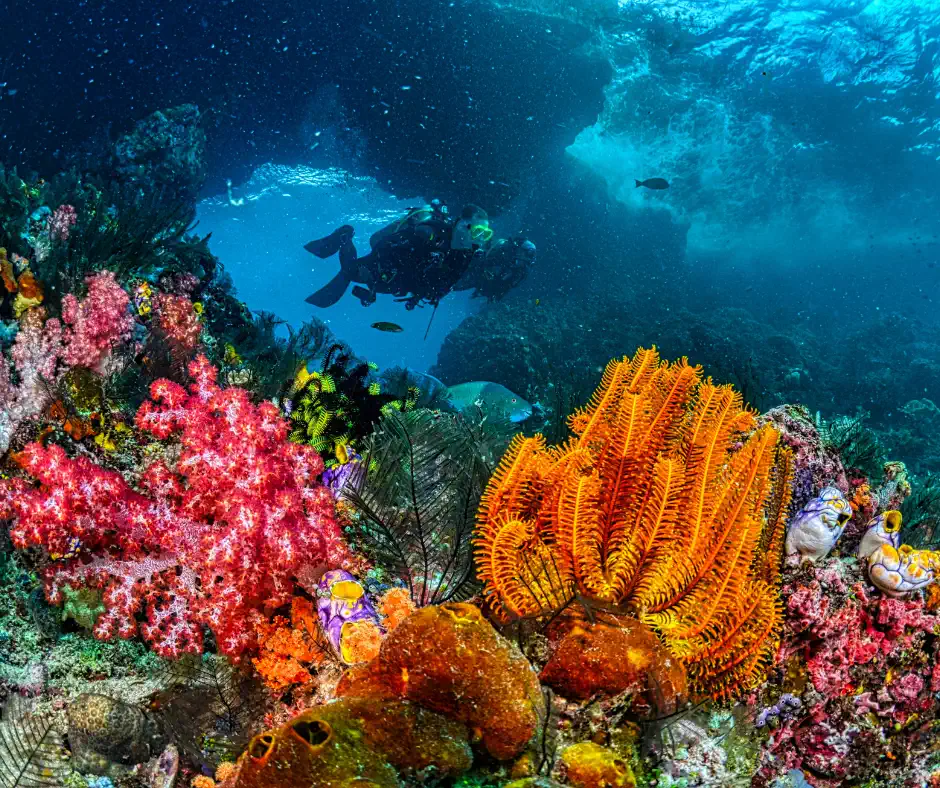
October to April is Raja Ampat’s main season. The seas are calmer, visibility is at its best and the water sits around 27 to 30°C. While the south of Indonesia gets its rain, Raja Ampat is in its best months.
Manta rays are the main draw. Numbers peak from around December to March at cleaning stations such as Manta Sandy in the Dampier Strait and those around Misool. Misool, in the south of the archipelago, is best avoided from June to mid-September because of the wind. It opens up just as the rest of Indonesia gets its rain.
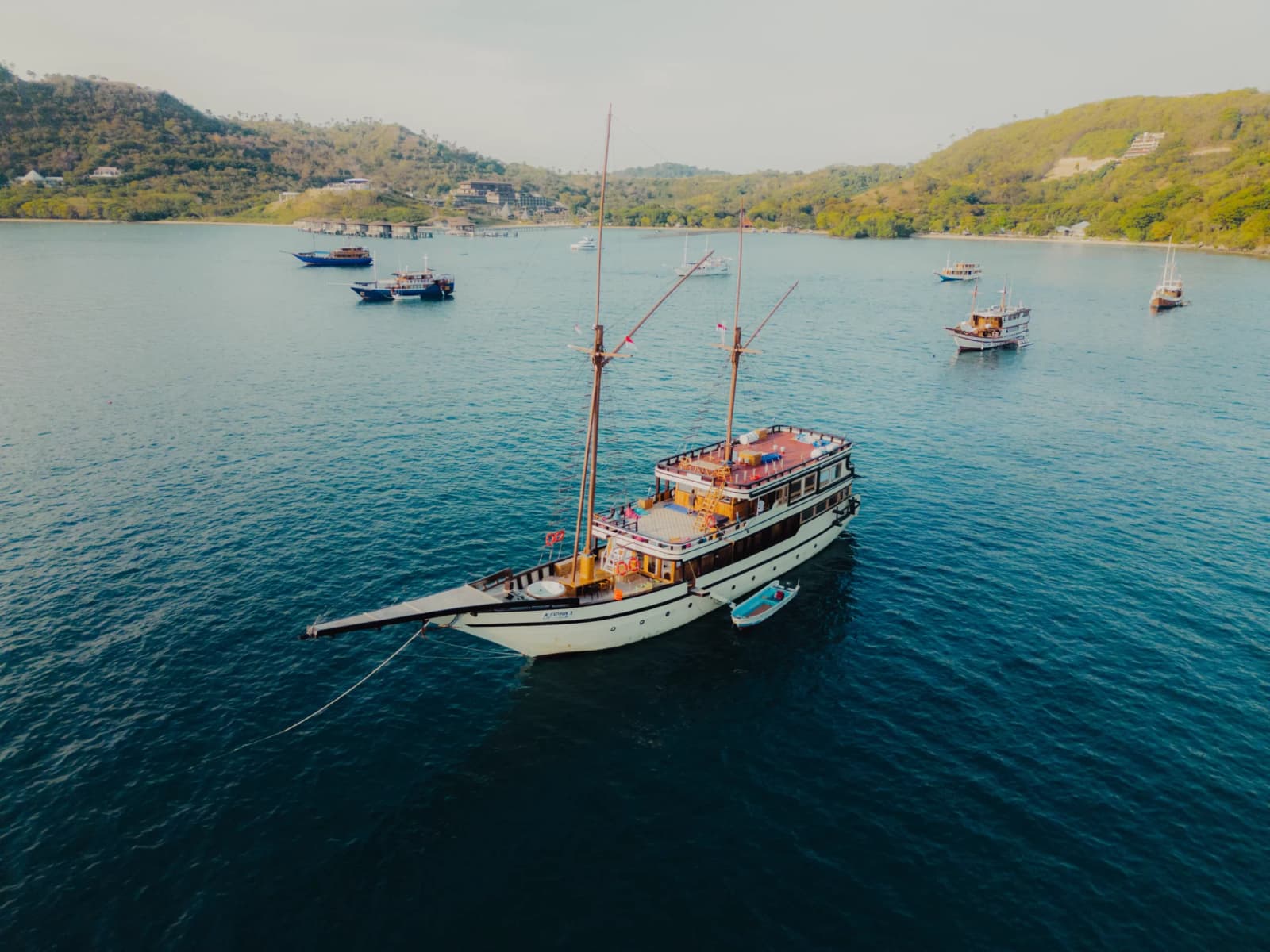
This is also where the boats are. Many Indonesian liveaboards leave Komodo between late September and November to reach Raja Ampat for the season, then head back west from March to May. That means the widest choice of boats and itineraries, from simple phinisis to full expedition vessels. The trip finder shows every Raja Ampat departure with its dates and places left.
The catch is demand. December to February is peak season, so cabins on the better boats go early. If you want Raja Ampat this season or next, book early. Our Raja Ampat liveaboard trips run from 6 to 13 days, and we also have current liveaboard deals for January and February 2027.
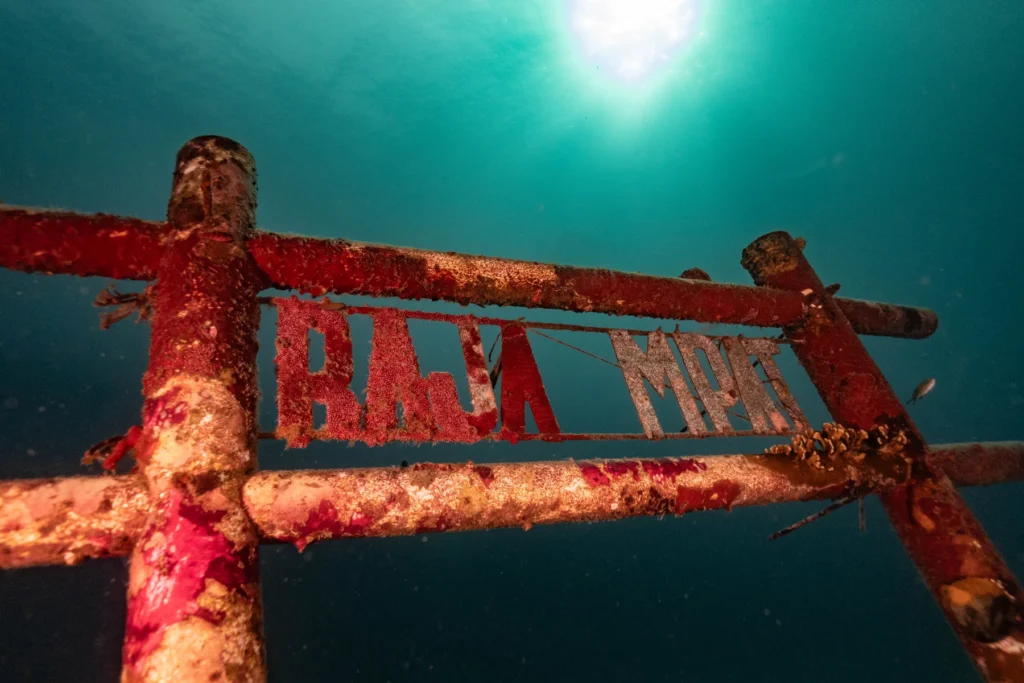
Some Raja Ampat liveaboards also run south to Triton Bay, on the coast of West Papua. Its main season is roughly October to April, and July and August are the months to avoid. Most of our Triton Bay departures fall between January and March.
Komodo in the wet season: still worth it, with the right plan
Komodo’s wet season usually runs from November to March. It does not shut down, but the diving shifts. The northern sites, such as Castle Rock and Crystal Rock, are at their best from around April to October, when the seas are calm. In the wet months they can be rougher and harder to reach.
The south goes the other way. Manta Alley and the southern sites are strongest from around December to March, when plankton blooms draw the seasonal manta aggregations. The water in the south is cooler, often around 22 to 26°C, so bring a thicker wetsuit or a hood. Central Komodo can be dived all year. For boats still running in the wet months, check the Komodo departures in the trip finder.
The rain itself is often less dramatic than people expect. It tends to arrive in the afternoon and fall mostly at night. There is usually less of it out on the water than on land. The real trade-off is fewer boats, because much of the liveaboard fleet has moved to Raja Ampat, and more changeable sea conditions. The upside is quieter sites and a better chance with mantas.
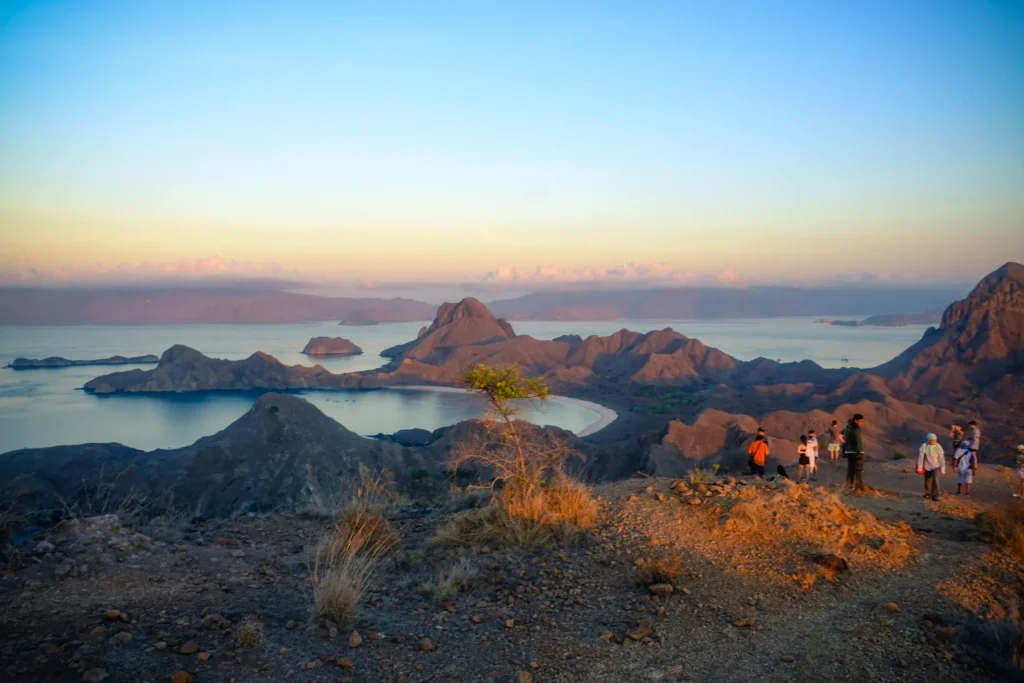
Since 1 April 2026, Komodo National Park caps visitors at 1,000 a day across the whole park. Every visit is booked in advance through the park’s SiOra system. Spontaneous visits are no longer practical, so plan ahead. Our Komodo National Park fees page has the current costs. For the full picture on timing, see our guide to the best time to dive Komodo.
Bali: pick your coast
Bali’s rainy season runs roughly from November to March, and diving carries on right through it. Showers are often short rather than all-day washouts, and the water is warmer than in the dry months. Visibility can drop after heavy rain, and the dives are quieter.
The most dependable sites in the wet season are on the sheltered east and north coasts:
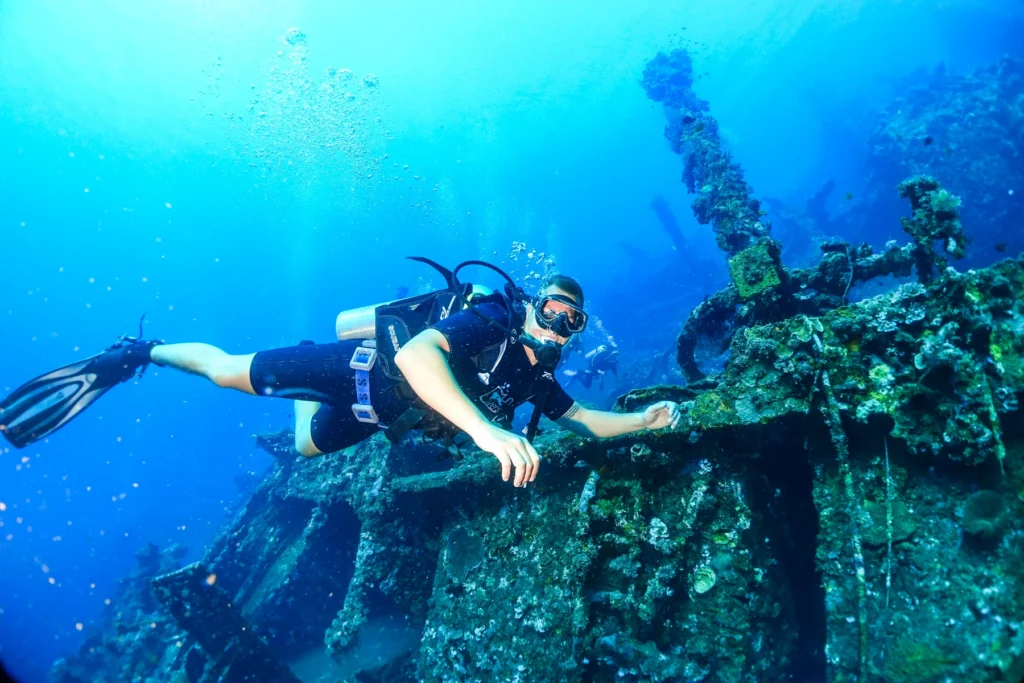
- Tulamben and the USAT Liberty wreck. The Liberty is diveable almost every day of the year, and Tulamben’s protected position keeps it accessible even in January.
- Padang Bai, good for shallow reef dives and training, with year-round macro life like frogfish and nudibranchs.
- Menjangan Island in the northwest, known for calm water and coral walls.
Nusa Penida’s manta sites stay diveable, and mantas are seen there all year. From December to March, though, stronger winds can make the crossing choppy and add surge at Manta Point and Manta Bay. Mornings are usually the best bet. One thing you will not see is the mola mola. Their season at Nusa Penida runs roughly July to October. If sunfish are the goal, read our mola mola guide and plan for next year.
Lembeh Strait: macro does not mind the rain
Divers come to the Lembeh Strait in North Sulawesi for muck diving, and the strait stays diveable all year. The strait is sheltered, currents are generally mild, and water temperatures stay warm.
The rainy season here runs roughly from December to February. January and February bring the lowest visibility of the year. A few exposed sites at the northern end of the strait can occasionally be out of bounds in rough weather. For macro, that matters less. Visibility in Lembeh typically runs 5 to 15 metres in any month. The frogfish, flamboyant cuttlefish and ghost pipefish you come for live on the seafloor, a few centimetres from your mask.


If you have some flexibility, October to December tends to offer the best visibility of the year, which suits photographers. For a first-hand account of Lembeh as part of a longer trip, read Dean’s 57-day field report.
Ambon: macro on the opposite calendar
Ambon, in the Maluku Islands, has its rough months from roughly May to August, when the prevailing wind builds the swell. From October to April the sea is calmer and visibility is at its best, so it fits a November to March trip.
Ambon Bay is known for muck diving, with the same kind of critters as Lembeh. Pintu Kota and Tanjung Hukurila, on the south coast, add reef and rock formations. Ambon also has direct flights to Sorong, the gateway to Raja Ampat, so the two combine well. For a dive base, see Spice Island Divers in Ambon.
What to save for another time of year
Some of Indonesia’s best diving simply does not line up with the wet months:
- The Banda Sea. Liveaboards cross it in two windows, roughly March to April and September to November, as they reposition between Komodo and Raja Ampat. December to February is best avoided. Our Banda Sea liveaboard guide covers the crossings in detail.
- Mola mola at Nusa Penida, roughly July to October.
- Komodo’s northern sites at their calmest, roughly April to October.
If one of these is the whole reason for your trip, it is worth moving your dates. If your dates are fixed, the places above still give you good diving.
Planning a November to March dive trip
A few things that make the difference in these months:
- Go east for big reef diving. If you want mantas, big schools and wide-angle reefs, Raja Ampat is the strongest choice for this period.
- Book the peak weeks early. Christmas, New Year and the December to February window in Raja Ampat fill first. The trip finder shows which departures still have places.
- Pack for the water, not the weather. Southern Komodo can be cool at depth in the wet season, so a thicker suit or a hood is worth the space. Our liveaboard packing guide has the full list.
- Leave a little slack. Rough seas can move a dive or a crossing, so a buffer day around flights keeps the trip relaxed.
- Combine regions. North Sulawesi, Ambon and Raja Ampat all work in these months. Liveaboards also sail North Sulawesi in these months, and the trip finder lists the North Sulawesi departures. Our current deals include a 12-day Lembeh to Togian Islands liveaboard in February 2027 and Raja Ampat departures in January 2027.
Rainy season diving: quick answers
Yes, if you pick the right coast. Tulamben, Padang Bai and Menjangan stay diveable from November to March. Showers are usually short, the water is warmer, and visibility can drop after heavy rain.
Often, though never guaranteed. Manta Alley and the other southern sites usually see the most mantas from December to March, when plankton is high. The water there is cooler, around 22 to 26°C.
Raja Ampat is in its main season from October to April, with calm seas and the widest choice of liveaboards. For macro, Lembeh and Ambon both work through these months.
Rarely. The mola mola season at Nusa Penida runs roughly July to October, so plan a sunfish trip for the dry months.
Tell us your dates, your experience level and what you most want to see, and we will build the trip around the season rather than against it. Plan your trip with us, or send us a message.