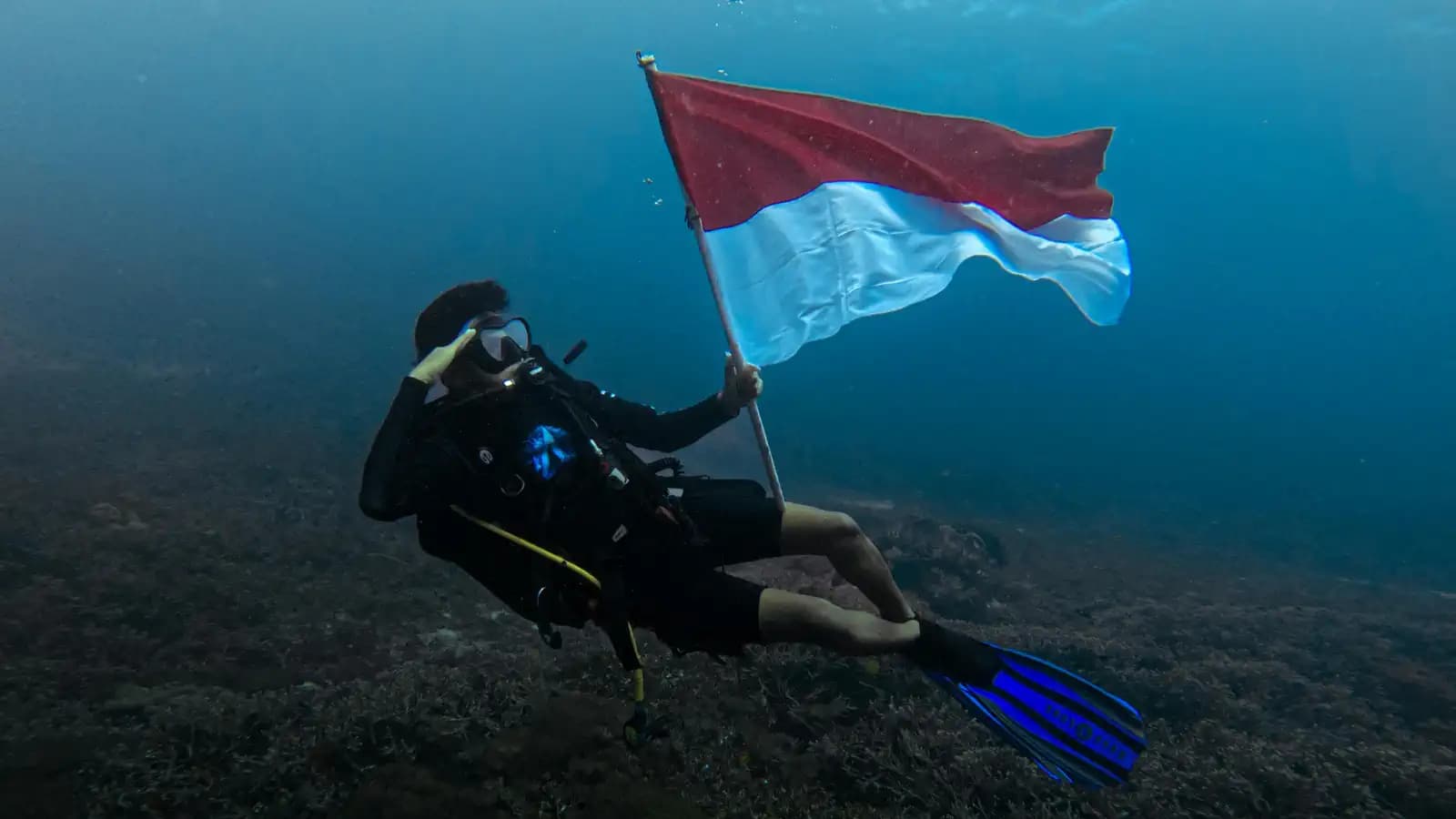
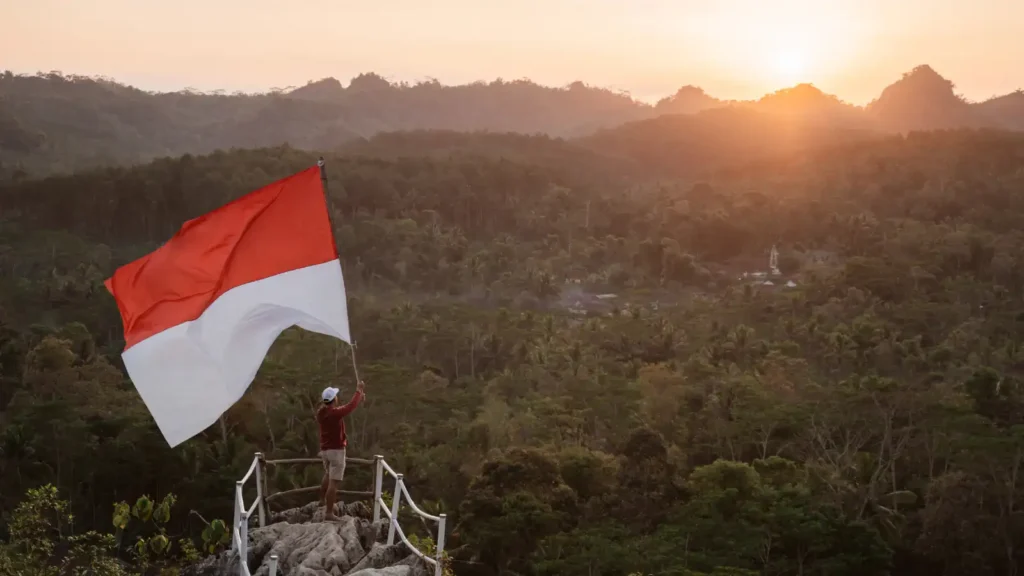
On 17 August 2026, Indonesia marks 81 years since the proclamation that ended more than three centuries of Dutch rule. This year’s official theme is Indonesia Berdaulat, Adil, dan Makmur – a sovereign, just and prosperous Indonesia – built around a specific idea: that the country’s progress should be felt equitably across the archipelago, not concentrated in one corner of it.
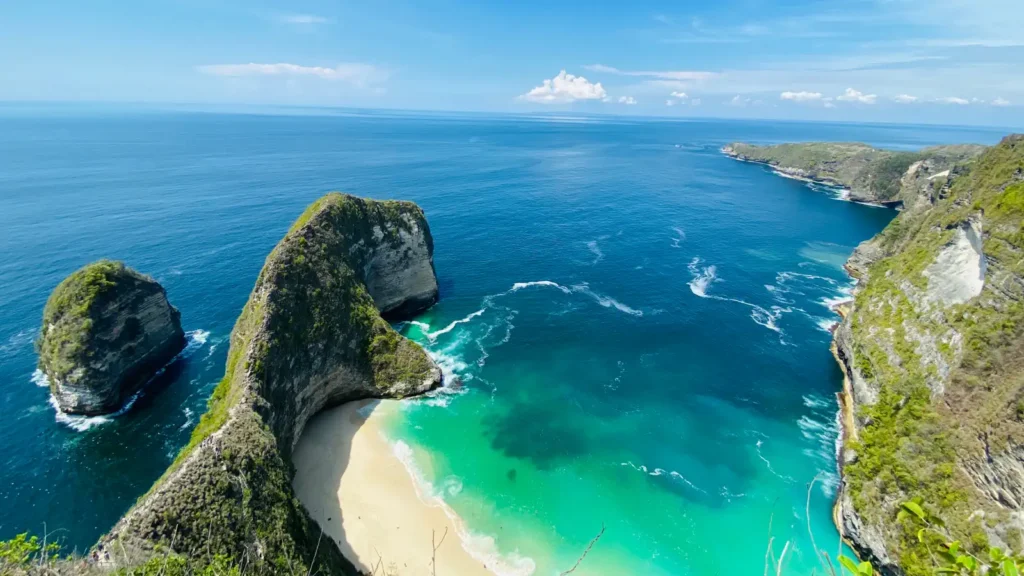
Bali has been in the news for the wrong reasons this year: record arrivals, water shortages, and a tourist levy introduced to manage the strain. None of it is inaccurate, and none of it makes Bali a bad destination. It is simply a small part of a much larger story, because Bali is one island out of more than 17.000, spread across three time zones, and home to a fraction of the country’s cultures and languages.
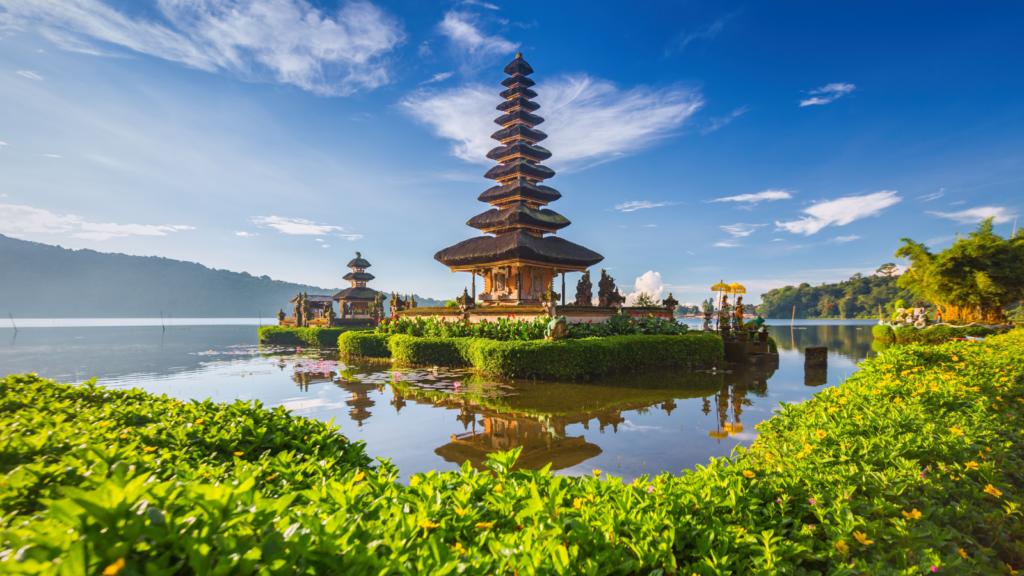
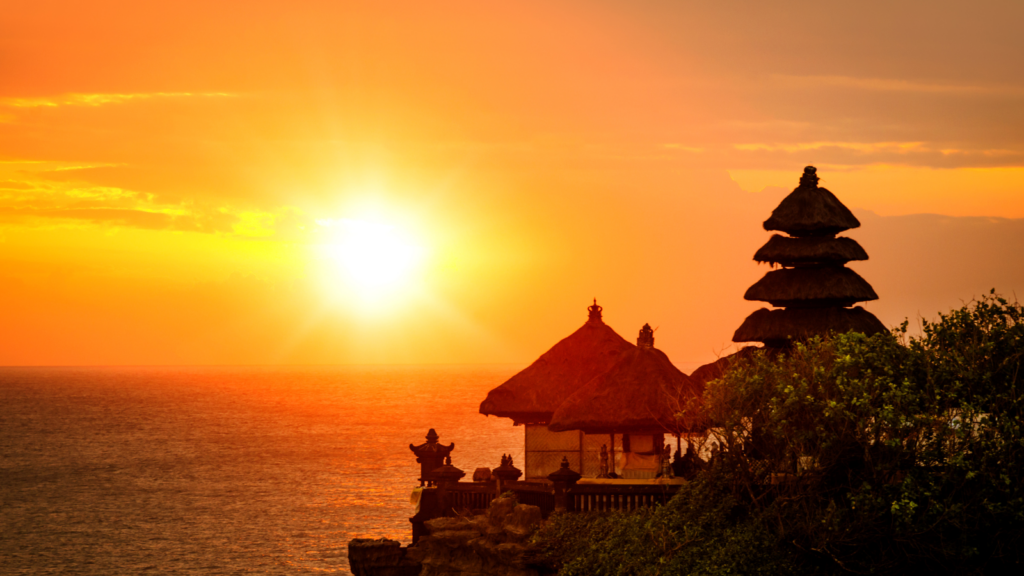
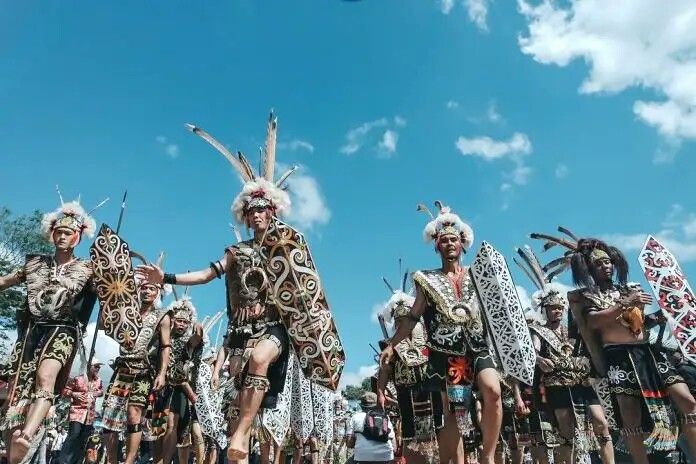
Indonesia’s national motto, Bhinneka Tunggal Ika, unity in diversity, was written for exactly this scale of difference. Javanese court traditions, Toraja funeral rites, Papuan clan law, Batak communities around Lake Toba, and Balinese Hindu ceremony all sit inside one republic, alongside more than 700 living languages. Independence was declared for all of it at once, not for the island most visitors see first.
Even the obvious alternative is full
Most articles about crowding in Bali point people toward Komodo instead. That advice is about to expire too. Komodo National Park recorded 334.206 visitors in 2024 and 432.217 in 2025, and in response the park has capped entries at 1.000 visitors a day since April 2026. So the obvious answer is now rationed too. The more useful question is not where else to go, but which corner of this country actually matches what you want to see, and when you are free to travel.
East of Bali: the Lesser Sunda Islands
The chain running east from Lombok toward Timor is the most accessible part of Indonesia beyond Bali, and the most varied.
Komodo and Flores
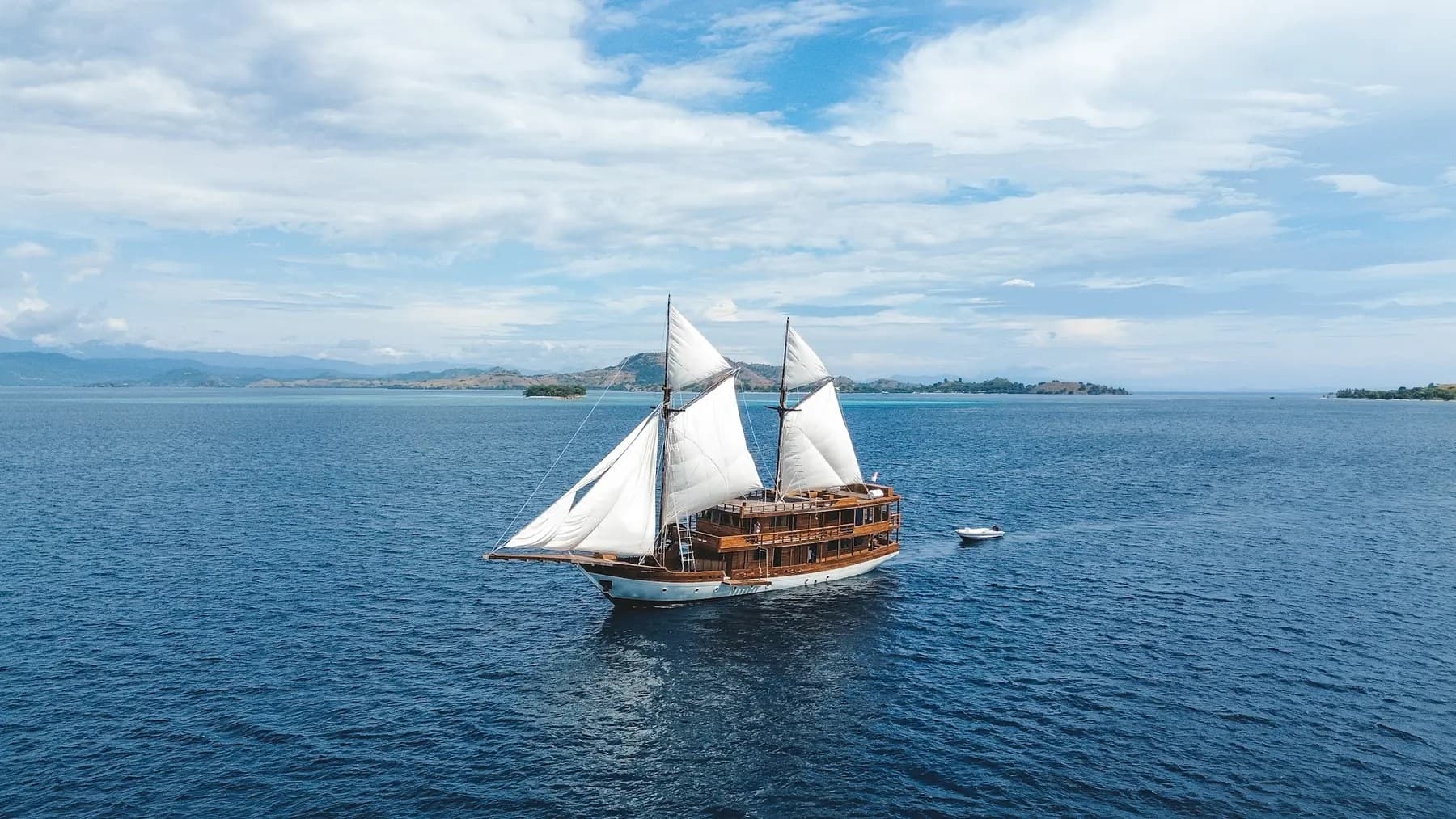
Komodo earns its reputation, dragons included. With the daily cap arriving in April 2026 and a foreign visitor fee of about IDR 250.000 per person per day, booking well ahead stops being optional.
Flores is the island most people fly into and immediately leave. That is a mistake. Kelimutu’s three crater lakes change color independently of each other depending on the mineral chemistry in each one. The traditional village of Wae Rebo sits at around 1.200 meters in the hills, its cone-shaped communal houses among the last of their kind still lived in rather than preserved as a museum piece.
Alor
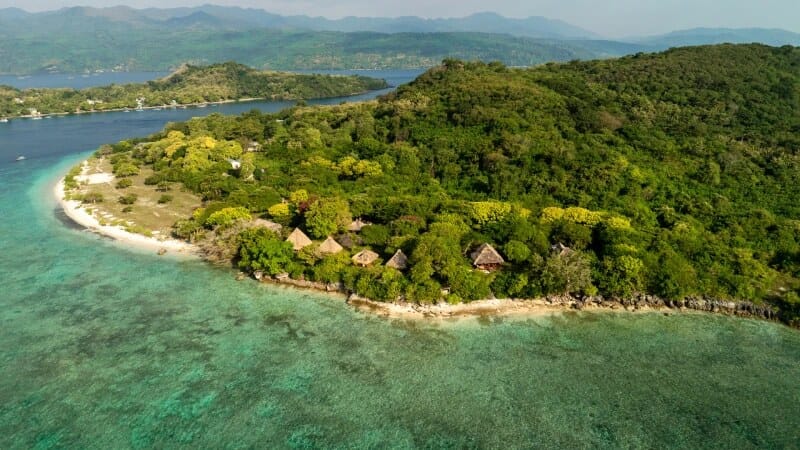
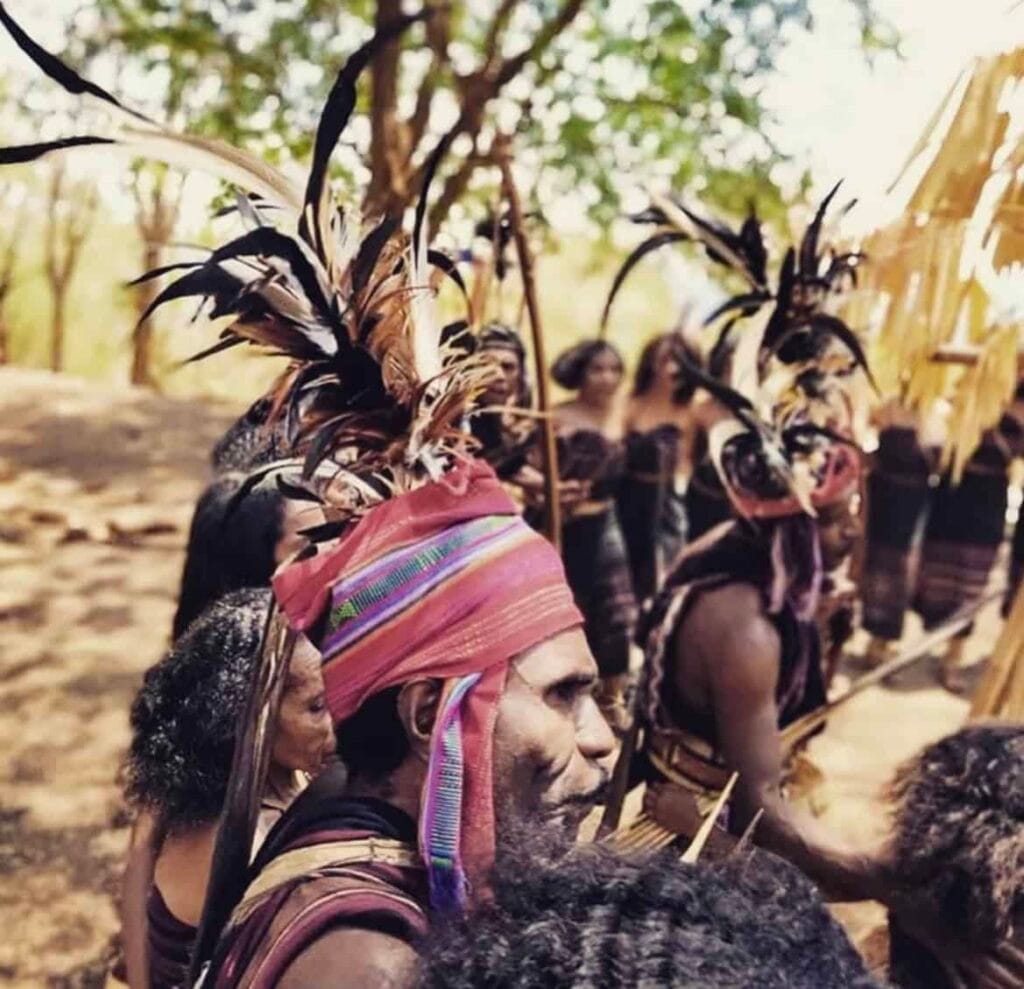
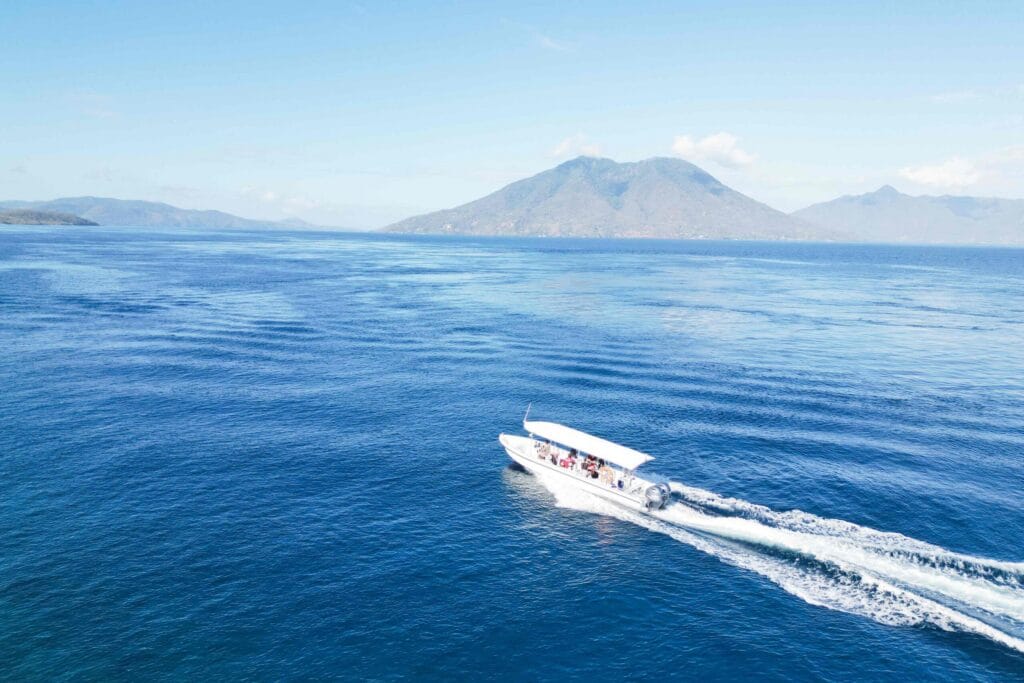
If one destination in this article deserves more attention than it gets, it is Alor. The island is so mountainous that some villages are still reached only by small wooden ferries, and that isolation has kept its cultures distinct: Alor is home to more than 15 living languages, one of the most linguistically dense regions in Indonesia for its size. At Takpala village, the Abui tribe still perform the lego-lego, a circle dance of chanting and drumming used to mark weddings and life passages, and weave ikat cloth on wooden looms using techniques passed down through generations of women. Kalabahi’s Museum of a Thousand Mokos holds the island’s collection of bronze drums, objects still used in bridewealth exchange today.
Sumba, Sumbawa, Lombok and Rote
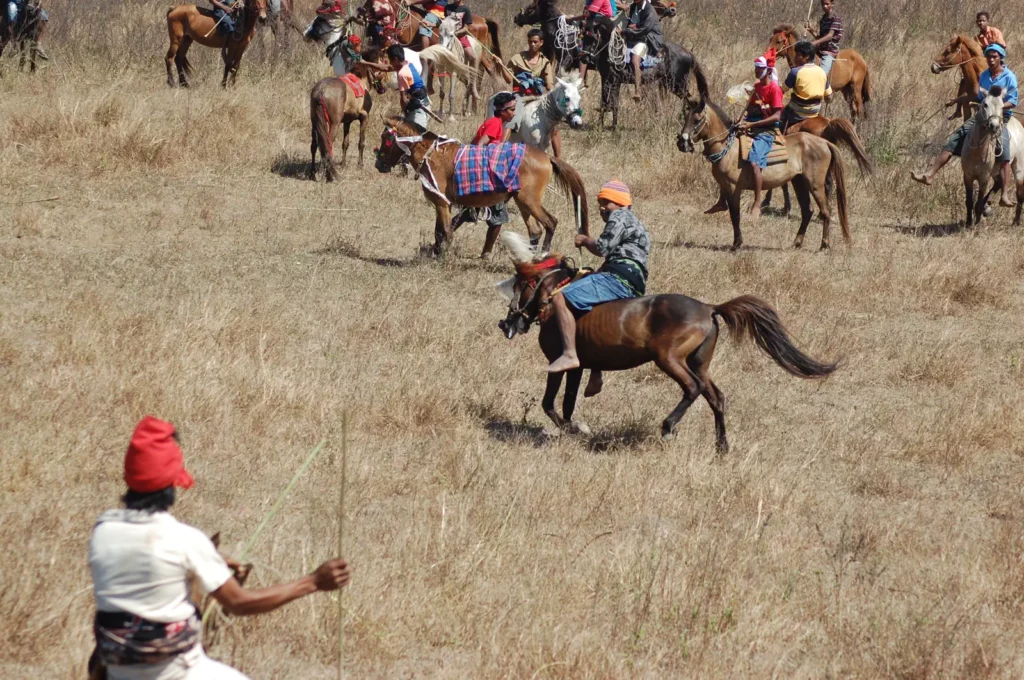
Sumba is the cultural outlier of the chain. The Marapu belief system is still practiced, megalithic tombs stand in villages that were never converted, and the Pasola festival puts mounted riders against each other with spears in February and March, timed to the arrival of the nyale sea worms.
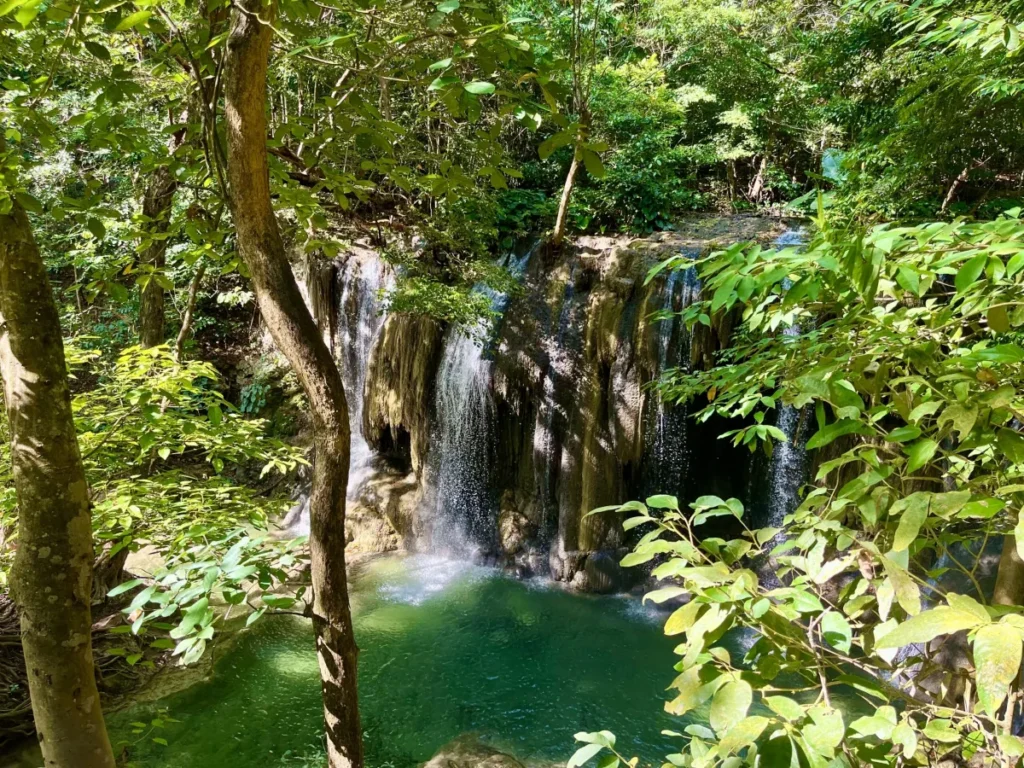
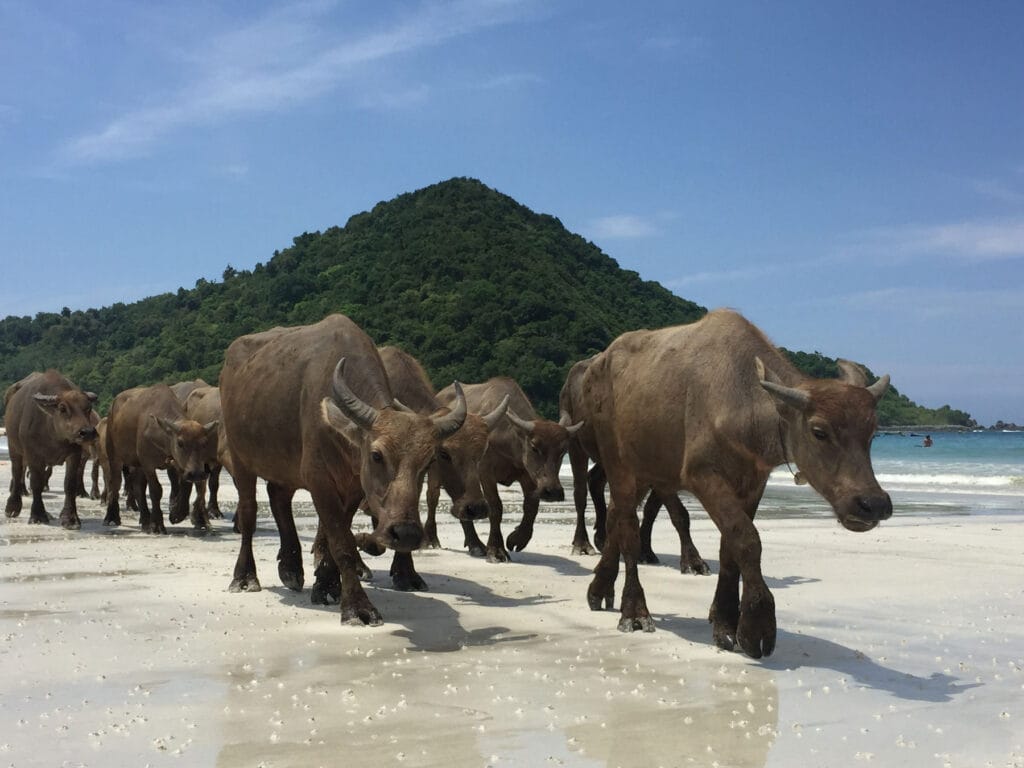
Sumbawa has the surf breaks and Moyo Island. Lombok and the Gili Islands are the softest landing east of Bali. Rote and West Timor sit at the far southern end, quiet, with a surf culture and very little tourism infrastructure.
Further east: Raja Ampat and the Banda Sea
Keep moving east past the Lesser Sundas and past Timor, and you reach two of the remotest, least-visited stretches of the country: Raja Ampat and the Banda Sea.
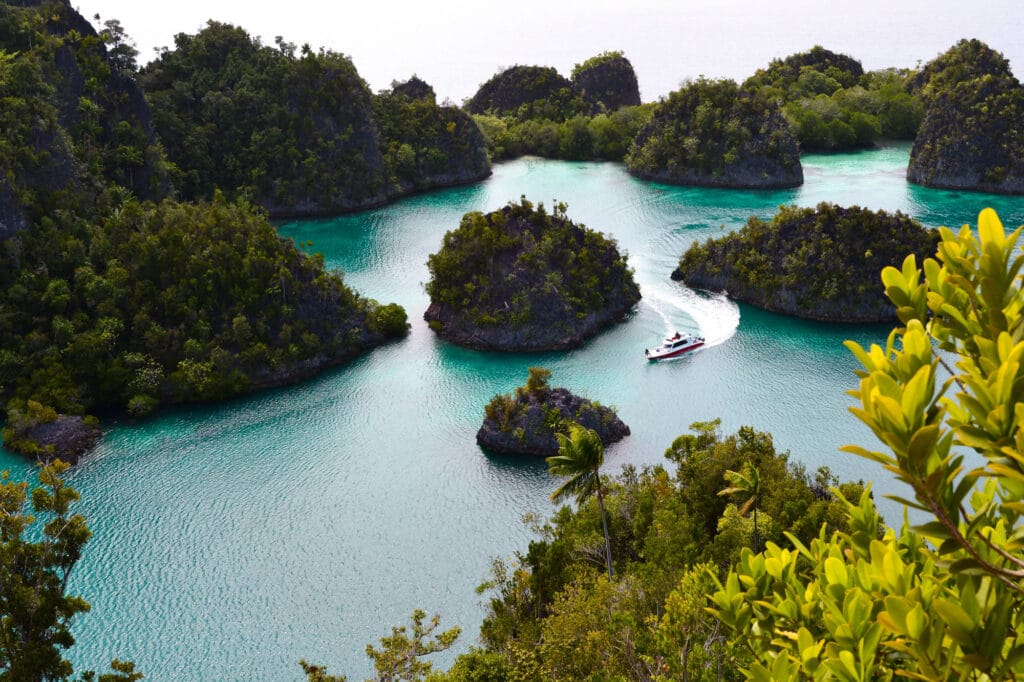
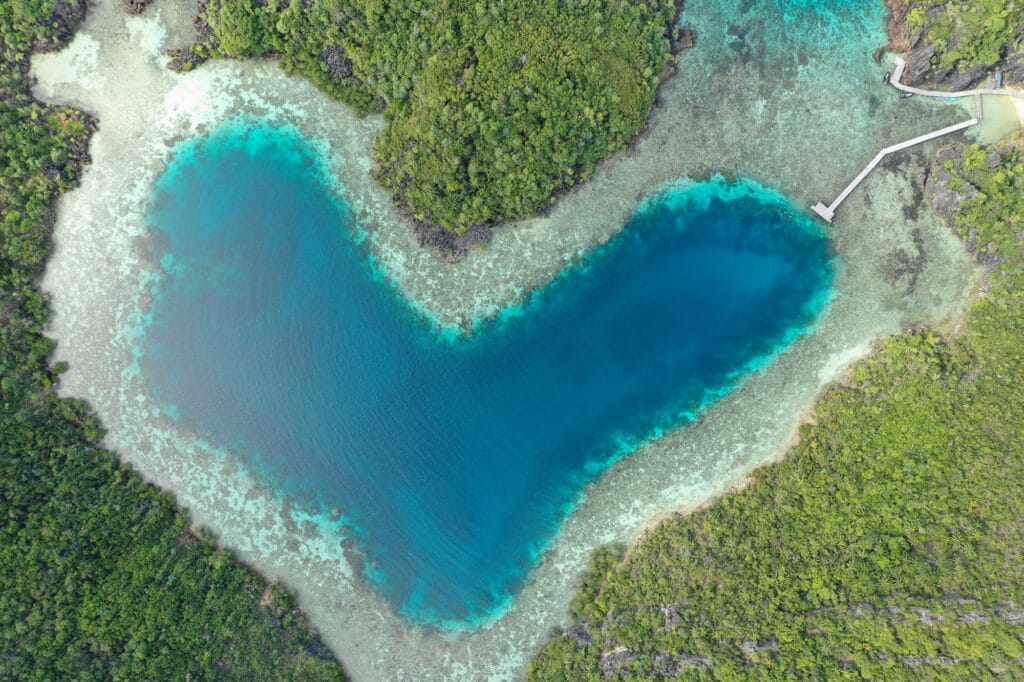
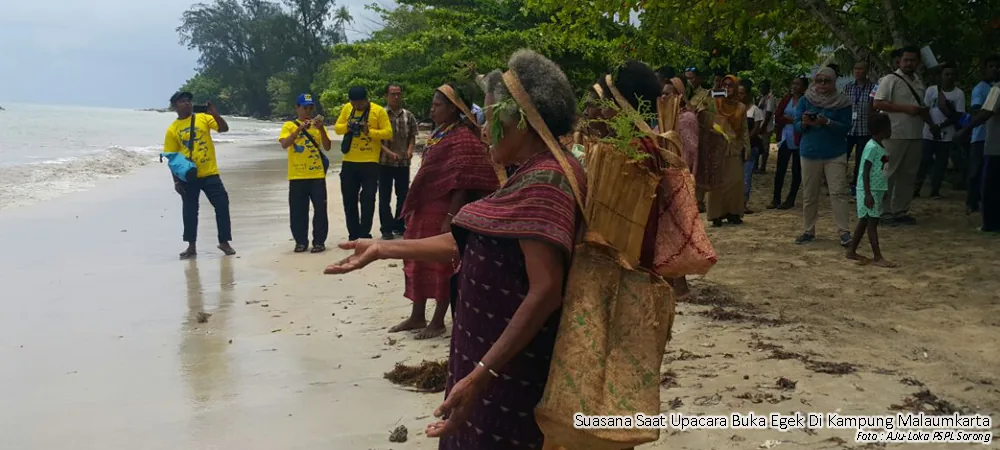
Raja Ampat is hard enough to reach that visitor numbers stay low by default. Getting there takes two flights and a boat, which is exactly why it stays the way it is. What keeps the region intact has as much to do with the people as the distance: local Papuan communities practice sasi, a customary system of no-take zones enforced by clan law long before conservation agencies got involved. We’ve written more about that tradition here.
The Banda Sea
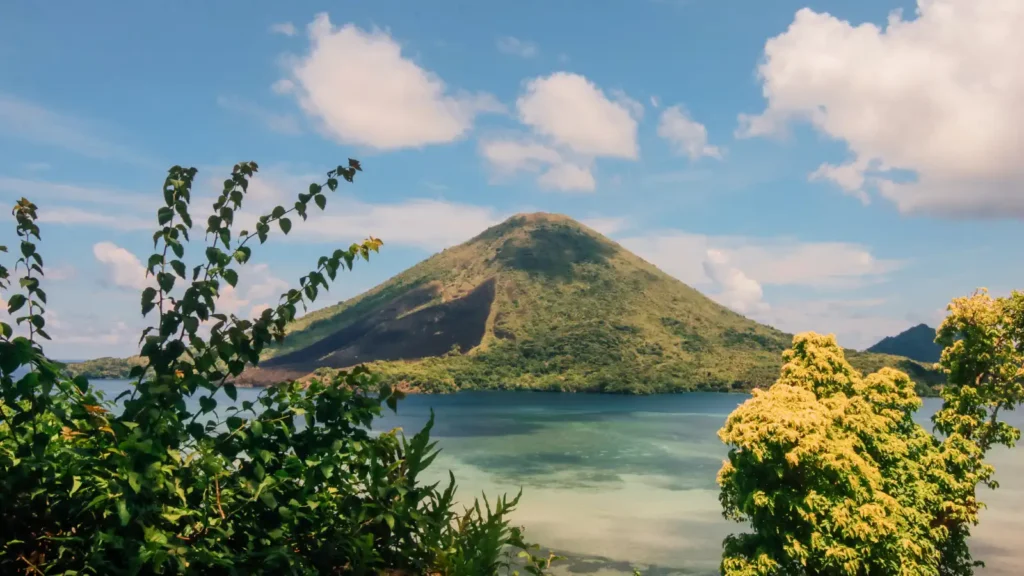
The Banda Sea is even quieter. These are the original Spice Islands, the world’s only source of nutmeg for centuries, fought over by European powers long before Indonesia existed as a country. Nutmeg trees still grow on Banda Neira today, alongside colonial-era forts you can walk through in an afternoon. It is a strange thing to spend a morning on the water and an afternoon walking through the remains of that history.
Sulawesi and the Togean Islands
Sulawesi holds three very different regions on one island. Bunaken became one of Indonesia’s first marine parks in the early 1990s. Wakatobi followed in 1996, a national park covering roughly 1.4 million hectares, now a UNESCO biosphere reserve.
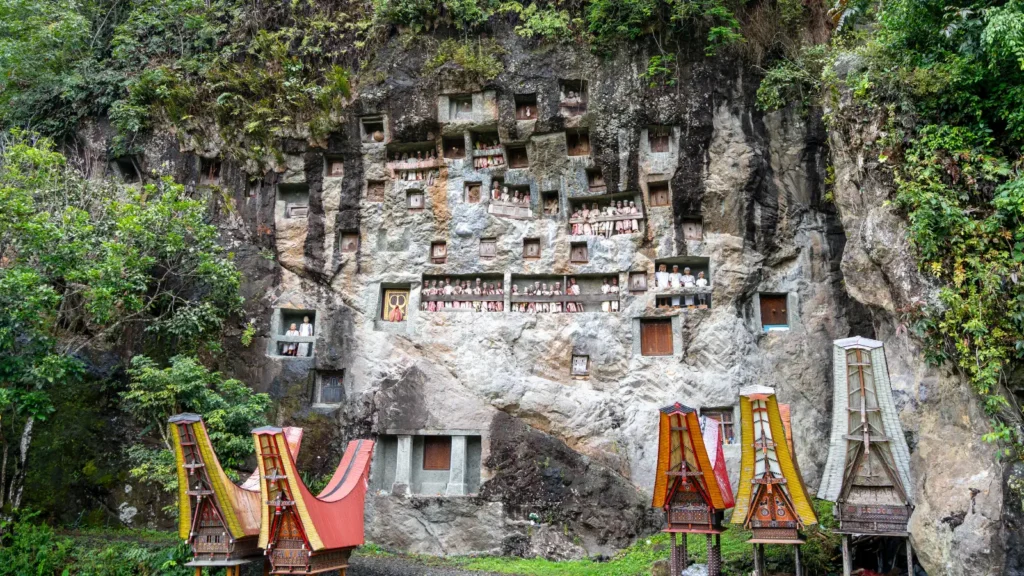
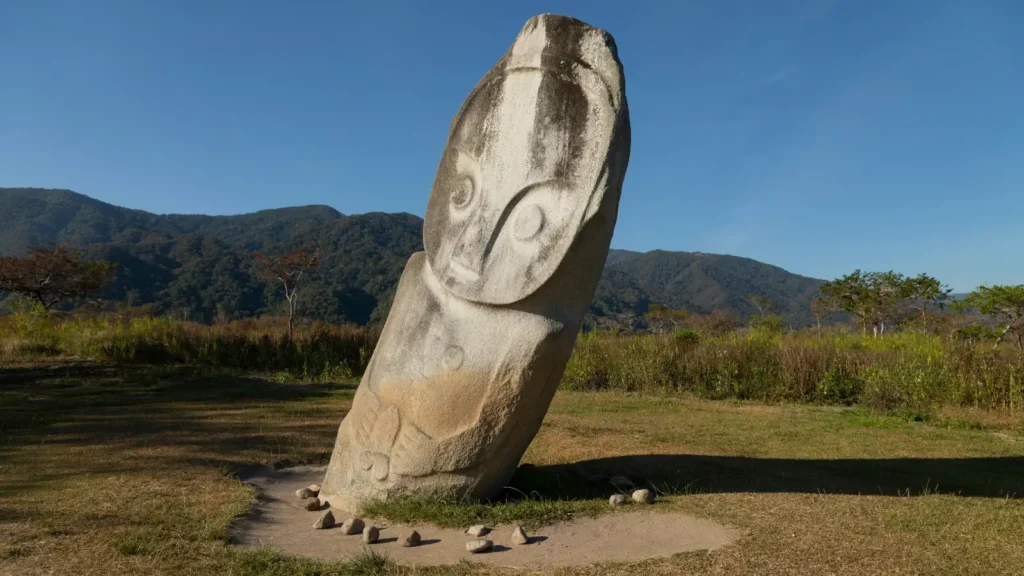
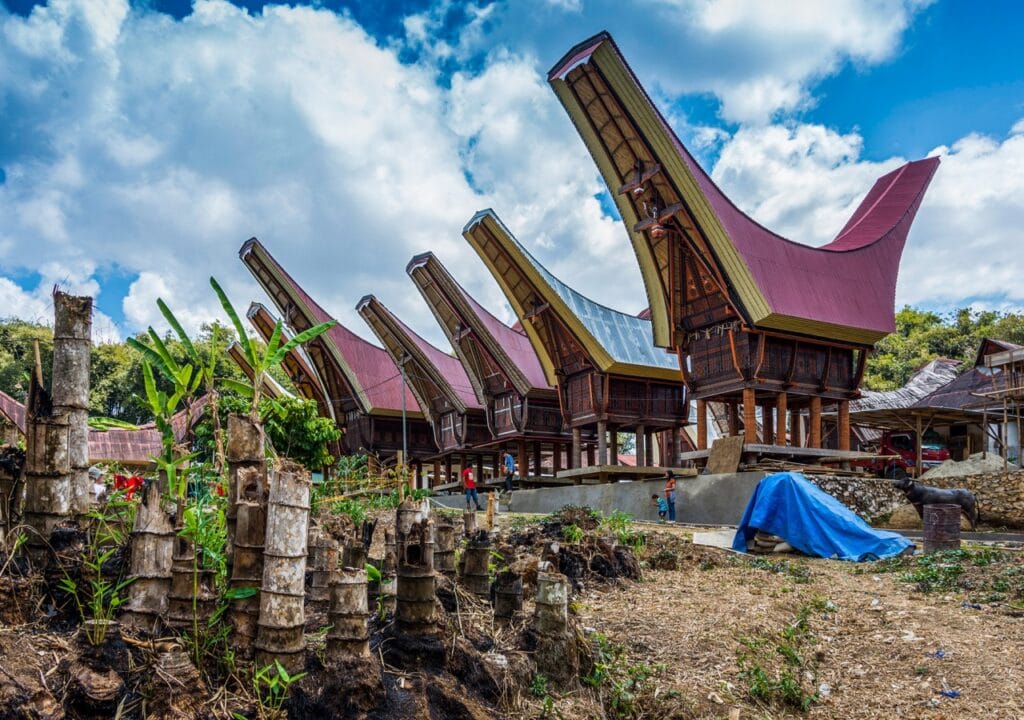
Inland, Tana Toraja keeps funeral traditions that have no parallel anywhere in the region: funerals are held months or years after death while the deceased is symbolically kept “sick” at home, ceremonies involve buffalo sacrifice on a scale that can draw entire villages, and effigies of the dead, called tau-tau, stand watch over cliffside burial sites. The Togean Islands, protected inside their own national park, are the quiet option for anyone chasing solitude over crowds.
The diversity runs west too
Travel far enough east from Bali and you reach a version of Indonesia most visitors never see. But the range this country was declared independent for does not only run east. West of Bali holds just as much distance from the Bali everyone recognizes: Sundanese court traditions in West Java, matrilineal Minangkabau clans in West Sumatra, Toba Batak communities built around the caldera of a supervolcano. Eighty-one years of Bhinneka Tunggal Ika, unity in diversity, was never a slogan about one direction on the map. It was written for a country where the two ends barely resemble each other, and everything in between resembles neither.
Java and Sumatra
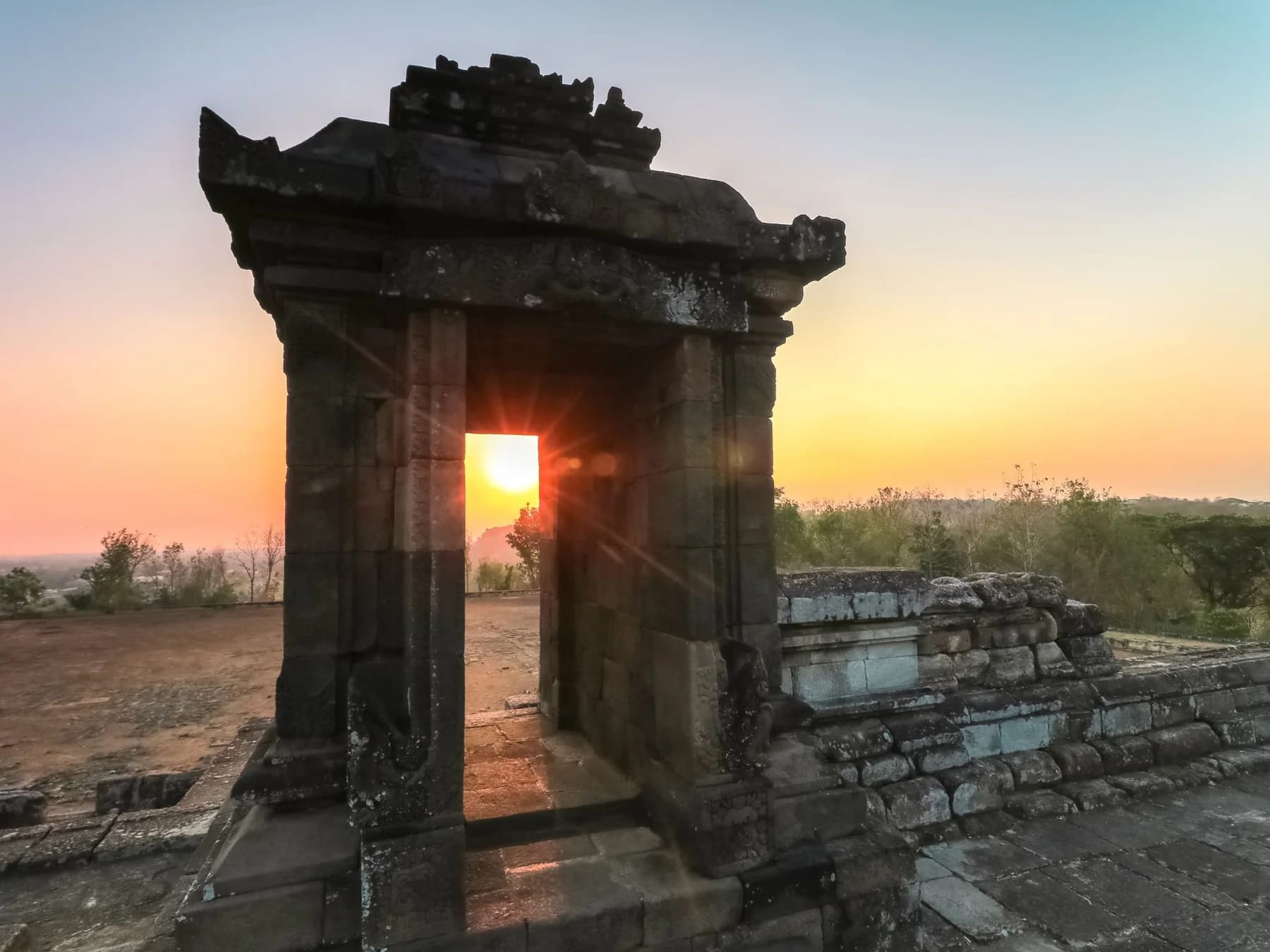
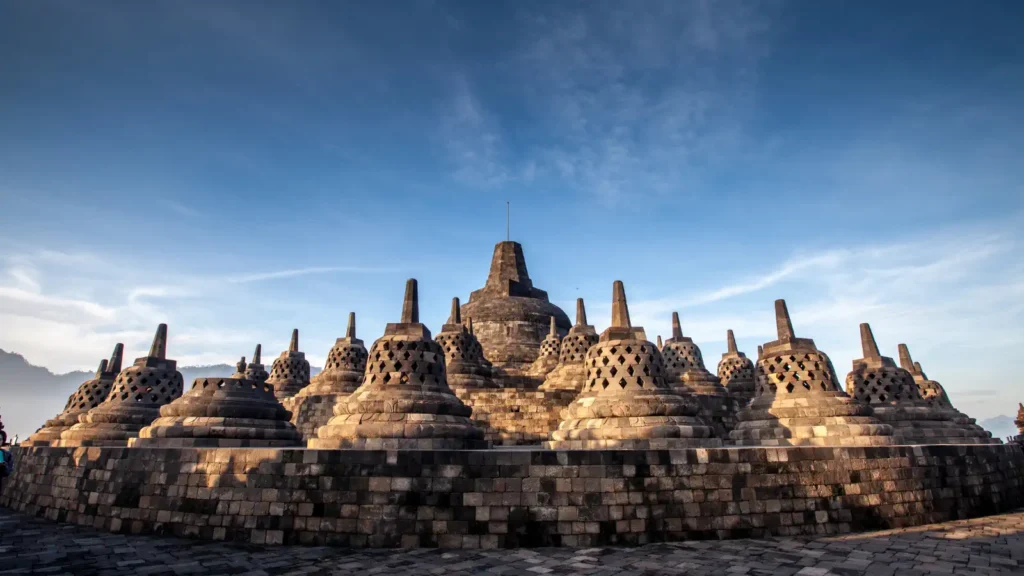
Java holds two UNESCO World Heritage sites, Borobudur and Prambanan, one Buddhist and one Hindu, both ninth century. Both are day trips from Yogyakarta, which deserves a few days of its own: see our Yogyakarta guide. Ijen’s sulfur miners work through the night at the crater. Bromo is the sunrise everyone has seen a photograph of and few have actually stood at.
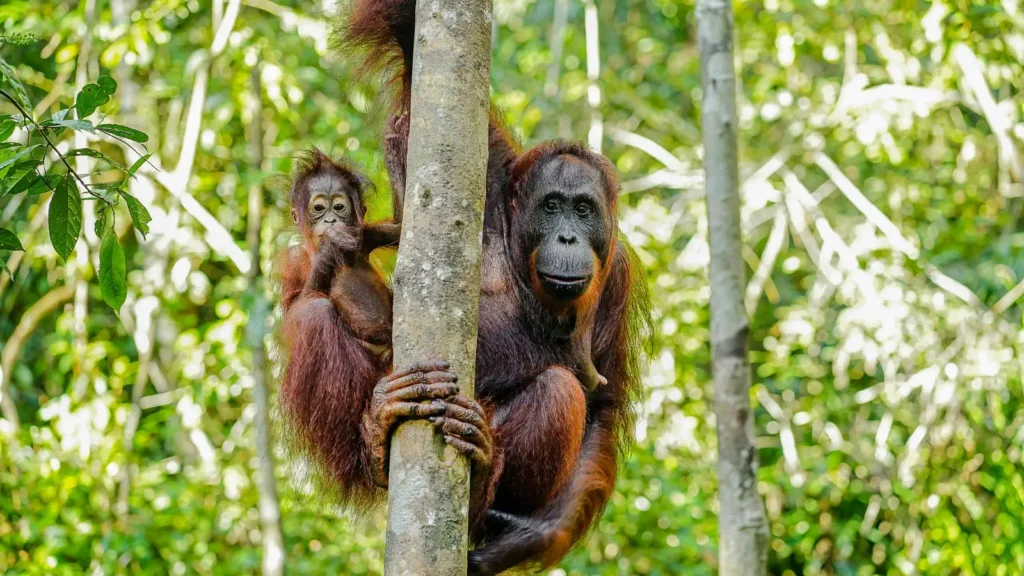
Sumatra has the other orangutan. Between 13.846 and 14.613 Sumatran orangutans remain in the wild, most of them in the Gunung Leuser ecosystem, and they are a separate species from their Bornean relatives. Lake Toba, further south, fills the caldera of a supervolcano, and is the ancestral home of the Batak people, whose distinctive boat-shaped rumah adat houses still stand around its shores.


Borneo, above and below the water
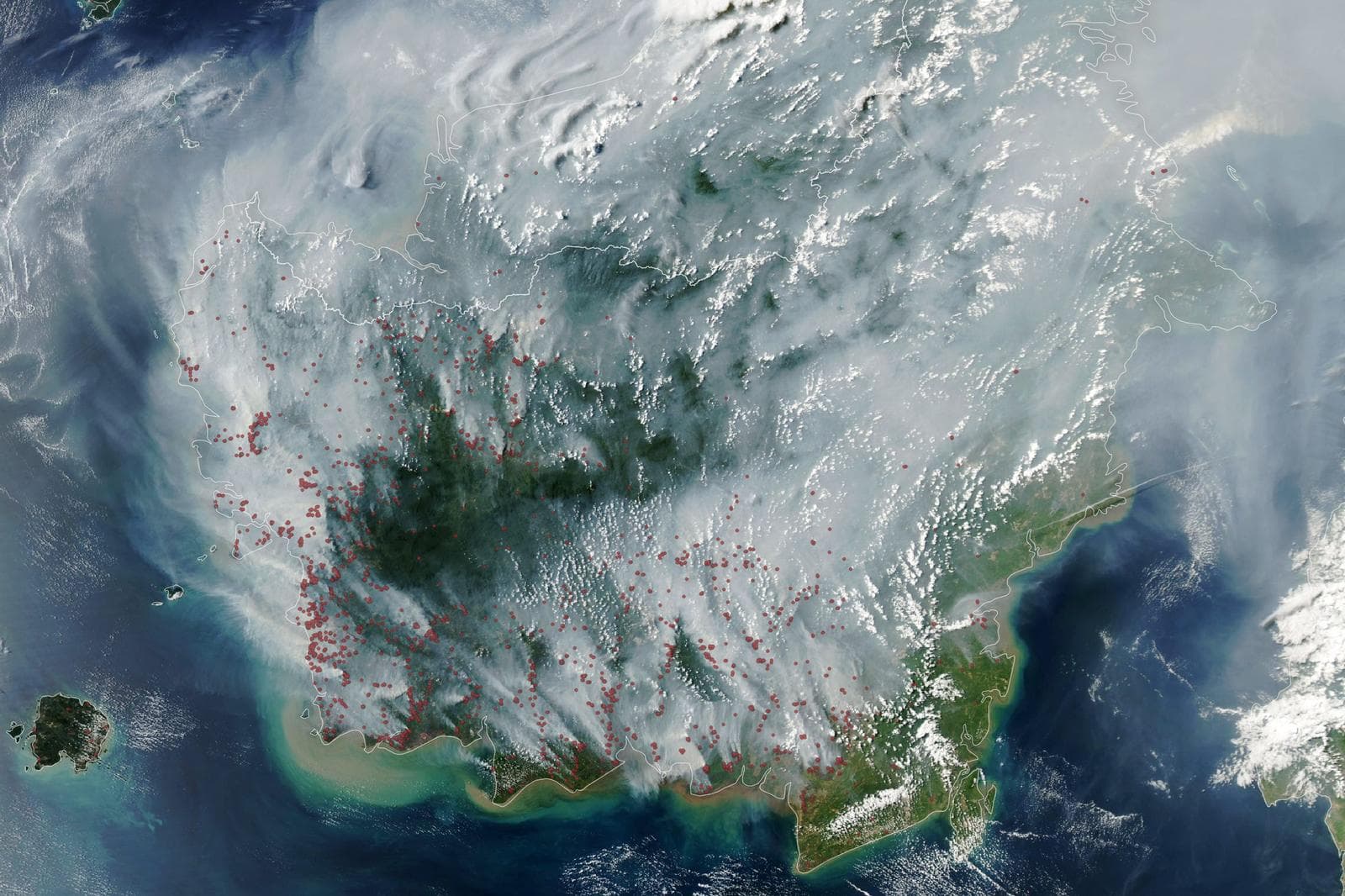
Borneo is the trip for people who want rainforest and coast in the same two weeks. The 2016 IUCN assessment put wild Bornean orangutans at around 104.700. Recent estimates put the figure closer to 57.350. The gap is loss, not a change of survey method, and the species is critically endangered.
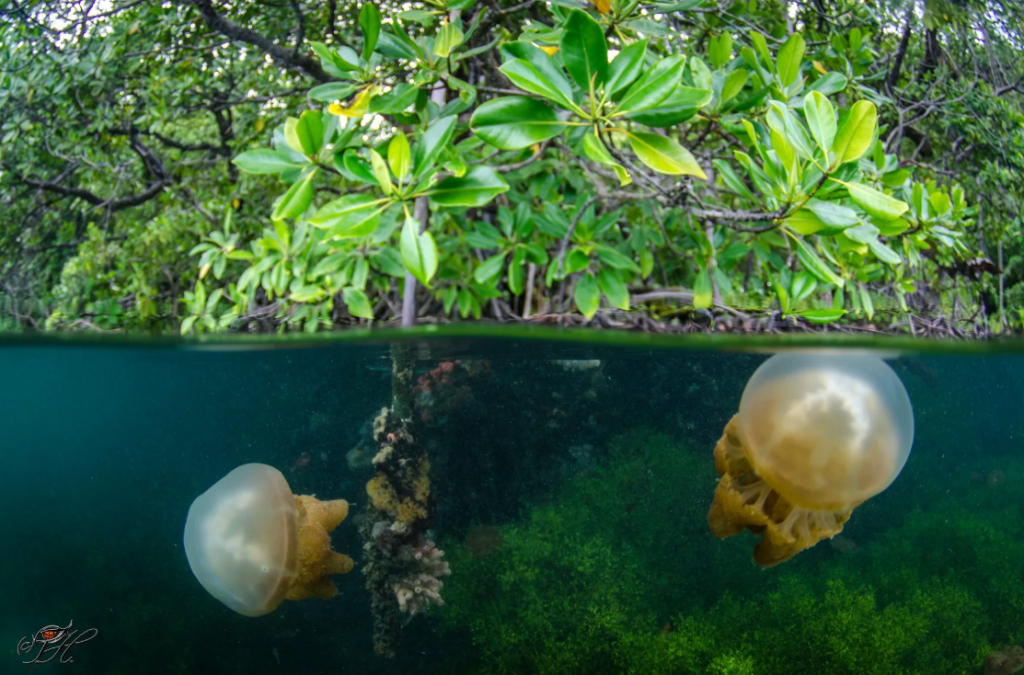
Off the east coast, the Derawan Islands hold one of the odder things in Indonesian water. Kakaban’s landlocked lake contains four species of stingless jellyfish, which lost their sting after generations without predators. Derawan itself is an important green turtle nesting beach.
When to go, region by region
Indonesia does not have one season. The islands east of Bali are at their best in the middle of the year, while Raja Ampat and the Banda Sea run on the opposite calendar, which is why the month you can travel narrows the shortlist faster than anything else.
| Region | Best months | Why |
|---|---|---|
| Bali, Lombok and the Gilis | April to October | Dry season and calm crossings |
| Komodo and Flores | April to October | Best visibility, manta season peaks April to July |
| Alor | May to October | Calmest seas, most operators close outside it |
| Sumba, Sumbawa and Rote | May to September | Dry season. Pasola falls in February and March |
| Raja Ampat | October to April | Runs opposite to the Nusa Tenggara season |
| Banda Sea | September to November, and March to April | Two narrow windows, rough between them |
| Sulawesi | North October to May. Toraja, Wakatobi and the Togeans April to October | The island spans two weather patterns |
| Java | May to September | Dry season for the Bromo and Ijen sunrises |
| Sumatra | May to September | Driest months in the Gunung Leuser forest |
| Borneo | June to September inland, March to October at Derawan | Rainforest and coast run on different clocks |
These are broad windows rather than guarantees. Conditions shift year to year, and the shoulder weeks either side of a peak season are often the better trip: the same water, fewer boats on it, lower rates.
Traveling Indonesia beyond Bali
What happened in Bali did not happen because people visited. It happened because visitor numbers grew faster than the water supply, the roads and the waste system could absorb them. The places in this article are not immune, and Komodo’s cap is the proof.
We should be upfront about something here: we plan trips to every destination in this article, so an argument for spreading tourism beyond Bali is also an argument for our own business. We think it holds up anyway, because the alternative, everyone concentrating on the same handful of places, is worse for those places and worse for the trip. Here is what we think traveling that way actually looks like.
- Pay local park and conservation fees where they exist. They fund ranger patrols and habitat protection, not overhead.
- Travel the shoulder months where you can. Better conditions, fewer crowds, and often better rates.
- Choose smaller, locally run operators over mass-market tours. It changes the load a place carries and who the money reaches.
- Spend the money locally. Village-run homestays and local guides keep tourism revenue where it is earned.
For more on this, see our guide to responsible, sustainable travel in Indonesia. And if you are trying to work out how to actually fit more than one of these regions into a single trip, we have mapped out a practical way to do it in How to See Indonesia in 2 Weeks: A Practical Multi-Destination Guide.
Where to start
Indonesia rewards people who go past the first island. First trip, or traveling with people who prefer an easier pace? Bali, Lombok and the Gilis are the sensible entry point. With a week, Komodo and Sulawesi are a solid next step. And with two weeks and a taste for the places that turn up in research papers and field notes rather than everyone’s feed, Alor, the Banda Sea and Raja Ampat are what you came for.
Eighty-one years ago this country was declared sovereign as one nation of thousands of islands, not one province of one. Spending a few of those tourist dollars beyond Bali this Independence Day is a small, practical way of honoring that, and it happens to lead to some of the richest, least-visited corners of the country.
Tell us the month you can travel and what you want to see, and we will tell you which island fits. Start with your trip.